 ✨ AI Generated
Kongo-in Temple
Japanese: 金剛院
Maizuru, Kyoto
This information was written by AI and may contain mistakes. Please check official sources for opening hours, fees, and other details before you go.
Found a mistake? Let us know with “✏️ Something's wrong” on this spot's screen in asobot →
🎧 Audio guide(1:10)
In short
Kongo-in Temple is a temple of the To-ji Temple branch of Shingon Buddhism, deep in a valley in eastern Maizuru City. According to temple tradition, it was founded in the early Heian period by Prince Takaoka, the third prince of Emperor Heizei and also a disciple of Kukai, and was later revived by Emperor Shirakawa. The temple is renowned for its autumn foliage.
- Three-storied pagoda (Important Cultural Property): This three-storied pagoda with a shingled roof has a total height of 24 meters. The current pagoda dates to the late Muromachi period and is a national Important Cultural Property
- Buddhist statues by Kaikei: The Standing Statue of Jinja Taisho and the Standing Statue of Shukongoshin, carved by Kaikei, a master Buddhist sculptor of the Kamakura period, are both national Important Cultural Properties. To view the treasure hall, apply in advance
- Autumn foliage and the Tsurukame Garden: On the temple grounds is the Tsurukame (Crane and Turtle) Garden, said to have been designed by Hosokawa Yusai. The beautiful maple trees are also said to have been planted by Yusai
History and Highlights
Kongo-in Temple is a temple of the To-ji Temple branch of Shingon Buddhism, located deep in a valley along the Kahara River in eastern Maizuru City. Its formal name is Kaharasan Jion-ji Kongo-in, and its principal image is Namikiri Fudo Myoo. According to temple tradition, it was founded in the early Heian period by Prince Takaoka, the third prince of Emperor Heizei and a disciple of Kukai, and was later revived by Emperor Shirakawa. It is said to have flourished greatly with the devotion of Emperor Shirakawa and Bifukumon-in, consort of Emperor Toba.
Although it later declined due to repeated wars, the temple has preserved many cultural properties to this day. A wooden proclamation board issued by Prince Moriyoshi, son of Emperor Go-Daigo, which prohibited nearby samurai from cutting down trees on the temple grounds, also remains. Kongo-in Temple also appears in Mishima Yukio's novel "The Temple of the Golden Pavilion" (Kinkaku-ji). It is also the 3rd temple on the Kansai 25 Hana-no-Tera Temple pilgrimage.
Sights and Experiences
- Three-storied Pagoda (Important Cultural Property): This three-storied pagoda with a shingled roof has a total height of 24 meters. According to temple tradition, it was built in 1082 by Emperor Shirakawa for the repose of Prince Takaoka's soul, and repaired in 1146 by Bifukumon-in with Taira no Tadamori serving as magistrate. The current pagoda dates to the late Muromachi period and is designated as a national Important Cultural Property.
- Buddhist Statues by Kaikei: The Standing Statue of Jinja Taisho and the Standing Statue of Shukongoshin, carved by the master Buddhist sculptor Kaikei of the Kamakura period, are both national Important Cultural Properties. The Standing Statue of Jinja Taisho is considered one of Kaikei's representative masterpieces. Viewing the treasure hall requires advance reservation.
- Autumn Foliage and the Tsurukame Garden: The temple is renowned for its autumn foliage, but it is also beautiful in spring with fresh green leaves, in mid-May when the Japanese snowball flowers bloom, and in winter when decorated with snow. On the temple grounds is the Tsurukame (Crane and Turtle) Garden, said to have been designed by Hosokawa Yusai. The beautiful maple trees are also said to have been planted by Yusai.
Visiting Tips
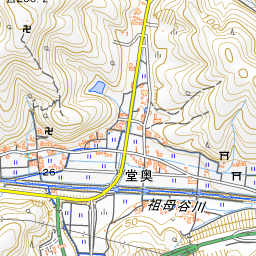
The Main Hall, bell tower, and the stage-style Unzankaku stand on the hillside, and the Edo-period Main Hall is designated as a cultural property of Kyoto Prefecture. A large kaya tree on the temple grounds is a designated natural monument of Maizuru City. By train, it is about a 20-minute walk from Matsunoo-dera Station on the JR Obama Line. From Higashi-Maizuru Station, take a bus for about 15 minutes, get off at Kahara, and walk about 10 minutes. By car, it is about 5 kilometers northeast of the Maizuru-Higashi Interchange on the Maizuru-Wakasa Expressway. About 3 kilometers to the northeast lies Aobasan Matsunoo-dera Temple, the 29th stop on the Saigoku 33 Kannon Pilgrimage. Consider visiting them together.
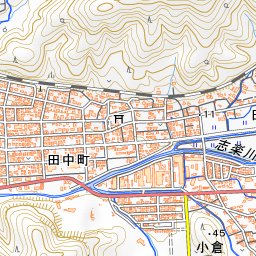
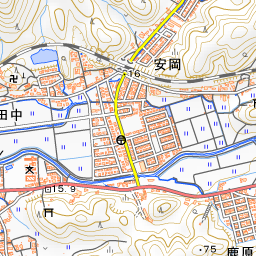
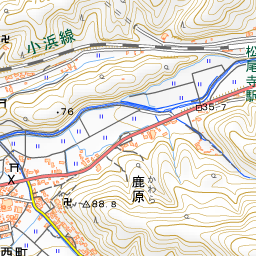
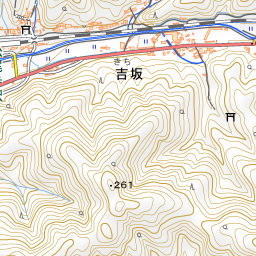
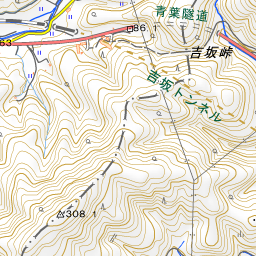
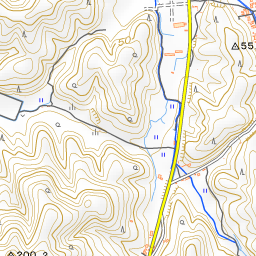
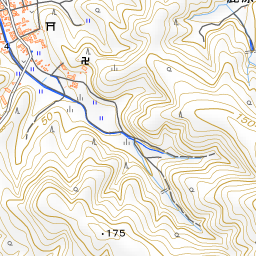
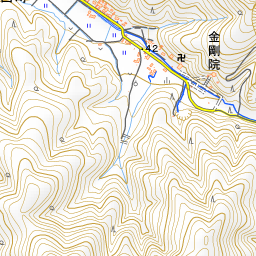
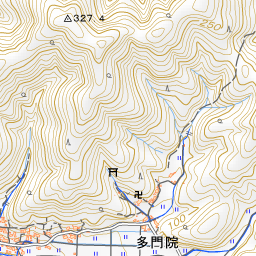
Spot location © OpenStreetMap contributors (ODbL)
Open in Google MapsUse asobot while you walk
- See where you are on the map and find spots nearby
- Listen to the guide's audio in course order, one after another (with subtitles)
- Walk to the next spot while following the map
Open on your phone
Scan to open this spot in asobot on your phone.