 ✨ AI Generated
Hanamikoji-dori Street
Japanese: 花見小路通
Higashiyama Ward, Kyoto
This information was written by AI and may contain mistakes. Please check official sources for opening hours, fees, and other details before you go.
Found a mistake? Let us know with “✏️ Something's wrong” on this spot's screen in asobot →
🎧 Audio guide(1:06)
In short
Hanamikoji-dori Street runs north to south through Gion, and south of Shijo-dori Street lies the townscape of Gion Kobu, the largest of Kyoto's five geisha districts. Along it continues the townscape of the south side of Gion-machi, formed in 1874 when an association of Gion Kobu teahouses took over land that had been the precincts of Kennin-ji Temple.
- Cobblestone pavements and teahouse townscape: Alleys and teahouse buildings line the street, where utility poles have been removed and the street paved with cobblestones, forming a townscape representative of Kyoto. It is designated by Kyoto City as a Historic Landscape Preservation and Improvement District
- Gion Kobu Kaburenjo: A two-story wooden theater for the Miyako Odori, built in 1913, and a National Registered Tangible Cultural Property. The Miyako Odori is held every April
- Consideration for a living neighborhood: People live here, and vehicles also pass through. Please do not call out to geiko and maiko or photograph them without permission, and do not enter private property
History and Highlights
Hanamikoji-dori Street is a street running north to south through Gion, and south of Shijo-dori Street lies the townscape of the Gion Kobu geisha district. The section from Shijo-dori Street south to Kennin-ji Temple was opened in the early Meiji period.
Even before the Edo period, Gion Kobu developed as a suburban teahouse district situated along the route for worshipers visiting Yasaka-jinja Shrine and Kiyomizu-dera Temple. The area south of Shijo-dori Street was formerly the precincts of Kennin-ji Temple. In the Meiji period, as a measure to revitalize Kyoto after it had declined due to a fire in Gion on the eve of the Meiji Restoration and wartime destruction in the city center, sub-temples of Kennin-ji Temple were rearranged into town land, creating the townscape on the south side of Gion-machi. In 1874, an association of Gion Kobu teahouses took over this tract of more than 70,000 tsubo (approx. 23 hectares), forming what is now the south side of Gion-machi. Today, it has become the largest of Kyoto's five geisha districts and is designated as a Historic Landscape Preservation and Improvement District by Kyoto City.
Highlights for Viewing and Experiencing
- Cobblestone Pavements and Teahouse Townscape: South of Shijo-dori Street, utility poles have been removed and the street paved with cobblestones, creating, together with the adjoining alleys and teahouse buildings, a townscape representative of Kyoto. Centered on machiya (traditional townhouses) in the teahouse style, each house differs in shape and design while presenting a calm, sophisticated ambiance as a cohesive townscape.
- Gion Kobu Kaburenjo: Located on the south side of Gion-machi, this is a theater for the Miyako Odori dance performances, built in 1913. It is a large, two-story wooden theater structure made of Japanese cypress and is a National Registered Tangible Cultural Property. The Miyako Odori, held every April, is a springtime tradition in Kyoto that has continued since 1872.
- Connection with Yasaka-jinja Shrine: Gion-machi, where Gion Kobu is located, originally developed as a town in front of the gates of Yasaka-jinja Shrine. On February 3 for Setsubun, maiko dedicate dance performances at the Buden Hall of Yasaka-jinja Shrine and scatter beans to pray for good health and protection from misfortune.
Tips for Walking Around
Gion Kobu Kaburenjo is about an 8-minute walk from Keihan Gion-Shijo Station. The south side of Gion-machi is a neighborhood where people live. The streets are not pedestrian-only zones, and vehicles also pass through. Please do not call out to, follow, or photograph geiko and maiko without permission, and do not enter private property such as storefronts, remembering to walk with consideration for the residents.

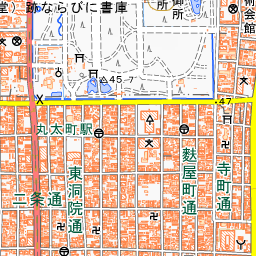


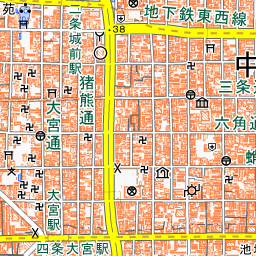

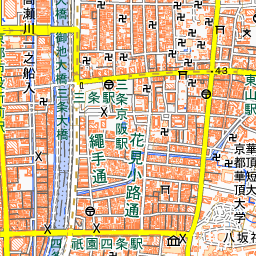


Spot location © OpenStreetMap contributors (ODbL)
Open in Google MapsGuides that include this spot (2)
Use asobot while you walk
- See where you are on the map and find spots nearby
- Listen to the guide's audio in course order, one after another (with subtitles)
- Walk to the next spot while following the map
Open on your phone
Scan to open this spot in asobot on your phone.