 ✨ AI Generated
Takeshita-dori Street
Japanese: 竹下通り
Shibuya City, Tokyo
This information was written by AI and may contain mistakes. Please check official sources for opening hours, fees, and other details before you go.
Found a mistake? Let us know with “✏️ Something's wrong” on this spot's screen in asobot →
🎧 Audio guide(1:02)
In short
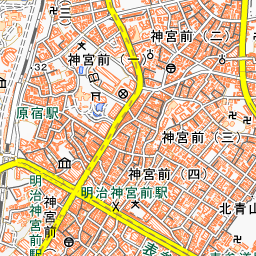
Takeshita-dori Street is a shopping street that extends from the Takeshita Exit of JR Harajuku Station to Meiji-dori Avenue. Originally a quiet residential area, it saw shops increase from the 1970s and became a place that transmits youth culture, notably "kawaii." You can browse fashion stores while eating crepes on the go.
- The Path of Youth Culture: At the end of the 1980s, there were as many as 42 celebrity shops on Takeshita-dori Street alone.
- Eating While Walking: Young people from Japan and abroad visit to search for "kawaii" fashion items while enjoying crepes.
- Walking on the Left: Because the street is very crowded, the shopping street association encourages visitors to walk on the left side.
History and Highlights
Takeshita-dori Street is a shopping street extending from the Takeshita Exit of JR Harajuku Station to Meiji-dori Avenue. It was originally a quiet residential area. After the war, when the American military housing complex "Washington Heights" was established where Yoyogi Park is today, shops catering to its residents began to open.
The shopping street association refers to 1974 as the "First Year of Takeshita-dori Street." This is because in March of that year, "Palais France," which housed luxury brands, opened along Meiji-dori Avenue. The street's transition into a shopping district progressed from around 1976, and the Harajuku Takeshita-dori Shopping Street Association was formed in 1977. In 1979, "Boutique Takenoko" opened on Takeshita-dori Street and gained popularity, and that same year, the "Takenoko-zoku" subculture emerged.
In 1987, the first celebrity shop opened on Takeshita-dori Street. Young people crowded these shops named after TV celebrities to purchase merchandise. At its peak in 1989, there were 42 such shops on Takeshita-dori Street alone. This trend did not last long, and the shops gradually vanished between around 1991 and around 1993. Today, it has become a place that broadcasts youth culture—beginning with "kawaii"—not only across Japan but to the world.
Highlights for Viewing and Experiencing
- Eating Crepes on the Go: Young people from both Japan and overseas visit on weekdays and weekends alike to look for "kawaii" fashion goods while enjoying crepes.
- Connection to Ura-Harajuku: As celebrity shops lined the street and Takeshita-dori Street became a tourist spot, apparel stores and creators began relocating to "Ura-Harajuku" on the east side of Meiji-dori Avenue and north side of Omotesando, as if to escape the crowds.
- Imagining the Street's Journey: From shops catering to the post-war US military housing to designer brands and celebrity shops, this street has evolved alongside changing trends.
Travel Tips
Takeshita-dori Street gets extremely crowded. To prevent congestion, the shopping street association requests that people walk on the left side. Touting and soliciting on the street are prohibited. Even if someone speaks to you, keep walking without stopping. Early in the morning, Takeshita-dori Street has few people and is quiet. About 130 meters east-northeast is Togo-jinja Shrine. About 210 meters south is the Ota Memorial Museum of Art, featuring ukiyo-e. Combining your visit with Meiji-jingu Shrine, located about 620 meters northwest, is also a good option.
Guides that include this spot (1)
Use asobot while you walk
- See where you are on the map and find spots nearby
- Listen to the guide's audio in course order, one after another (with subtitles)
- Walk to the next spot while following the map
Open on your phone
Scan to open this spot in asobot on your phone.