 ✨ AI Generated
Museum, Archaeological Institute of Kashihara, Nara Prefecture
Japanese: 奈良県立橿原考古学研究所附属博物館
Kashihara, Nara
This information was written by AI and may contain mistakes. Please check official sources for opening hours, fees, and other details before you go.
Found a mistake? Let us know with “✏️ Something's wrong” on this spot's screen in asobot →
🎧 Audio guide(1:06)
In short
The Museum, Archaeological Institute of Kashihara, Nara Prefecture is a museum exhibiting archaeological materials excavated from ruins across Nara Prefecture. The core of the exhibits consists of authentic materials unearthed through excavations conducted by the Archaeological Institute of Kashihara since 1938. The permanent exhibition, "Archaeology of Yamato," arranges materials chronologically from the Paleolithic period to the Muromachi period, presenting "Japanese History Traced Through Archaeology."
- Three Exhibition Rooms: You can tour chronologically from the Paleolithic to the Yayoi period, the Kofun period, and from the Asuka and Nara periods to the Muromachi period.
- Excavated Artifacts from Fujinoki Kofun Burial Mound: Exhibition Room 2 features a section dedicated to Fujinoki Kofun Burial Mound, displaying some of the main excavated artifacts in this museum.
- Special Exhibitions and Bulletin Exhibitions: Special exhibitions are held in spring and autumn, while a bulletin exhibition titled "Excavating Yamato," showcasing the latest excavation findings, is held in summer.
History and Highlights
The Museum, Archaeological Institute of Kashihara, Nara Prefecture is an archaeological museum located in Unebicho, Kashihara City. Through archaeological relics excavated from ruins across Nara Prefecture, it is a facility designed to deepen visitors' understanding of the history of Nara Prefecture, which holds an important position in Japanese history.
Its beginnings date back to 1938 (Showa 13). In conjunction with a project to develop the outer gardens of Kashihara-jingu Shrine, Dr. Suenaga Masao oversaw the investigation of the Kashihara Ruins. The Institute traces its own founding to this survey. In 1940 (Showa 15), Yamato Kokushikan was established through donations. Afterward, its name changed to Yamato Rekishikan, the Kashihara Koen Archaeological Museum, and other names. In 1980 (Showa 55), it took its current name as the Institute's affiliated museum, and the new building was completed in the same year. In November 2021 (Reiwa 3), the permanent exhibition was reopened after a renewal.
The permanent exhibition "Archaeology of Yamato" chronologically displays archaeological materials excavated from sites of the Paleolithic, Jomon, Yayoi, Kofun, Asuka/Nara, and Heian to Muromachi periods. It is an exhibition that shows "Japanese History Traced Through Archaeology." The centerpiece of the exhibition is authentic materials unearthed through the Institute's excavation surveys.
Key Viewing and Experience Points
- Exhibition Room 1: A room covering from the Paleolithic period to the Yayoi period. Starting with the "Age of Hunters" in the Paleolithic, it moves on to the "Steps Toward Permanent Settlement" of the Jomon period, and then to the "Introduction of Rice Cultivation" and "Steps Toward Royal Authority" in the Yayoi period.
- Exhibition Room 2: A room for the Kofun period. Among thematic divisions such as "Establishment of Yamato Kingship" and "The Era of the Five Kings of Wa," there is a section for Fujinoki Kofun Burial Mound in Ikaruga Town. Some of the main artifacts excavated from Fujinoki Kofun Burial Mound are exhibited in this museum.
- Exhibition Room 3: A room for the Asuka and Nara periods, and the Heian to Muromachi periods. It progresses through "Ancient Capitals," "Establishment of Buddhist Culture and Temples," and "From Tumuli to Cremation Graves," concluding with "The Lives of Medieval People."
Tips for Exploring
The museum is a 5-minute walk from Unebigoryomae Station on the Kintetsu Line, and a 15-minute walk from Kashiharajingu-mae Station. In addition to the permanent exhibition, special exhibitions are held twice a year in spring and autumn, and the bulletin exhibition "Excavating Yamato," reporting the latest excavation results, is held in summer. There are also facilities that can be used free of charge, such as a video library, an information corner, and a rest area. From the museum, Kashihara-jingu Shrine is about 550 meters to the south-southwest, and Mt. Unebi is about 600 meters to the west. Motoyakushi-ji Temple Site is about 830 meters to the east, and Fujiwara Palace Site is about 1.8 kilometers to the northeast. Niizawa Senzuka Kofun Group and Rekishi-ni-Ikou Kashihara City Museum are about 2.3 kilometers to the southwest. Grasping the flow of the eras through the exhibitions before visiting the actual historic sites is also recommended.
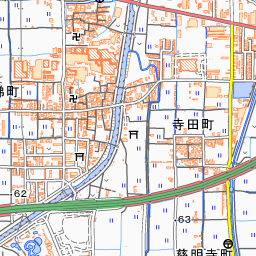
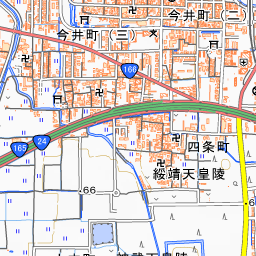
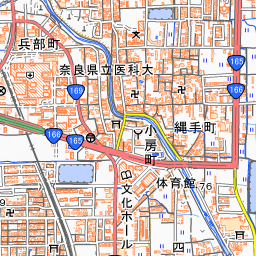
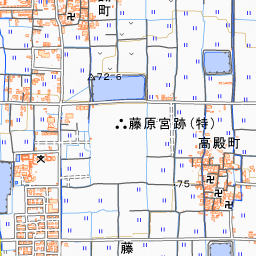
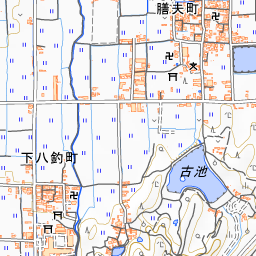
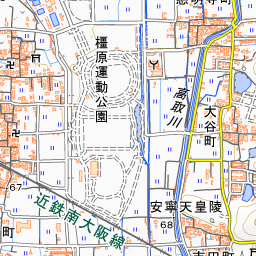
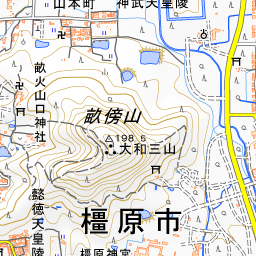
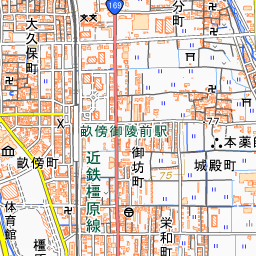
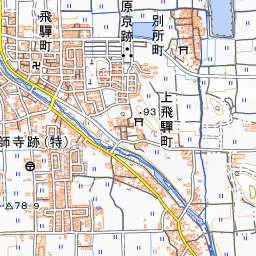
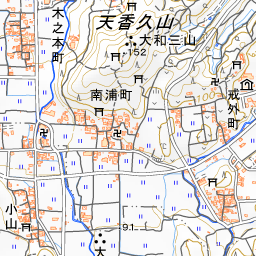
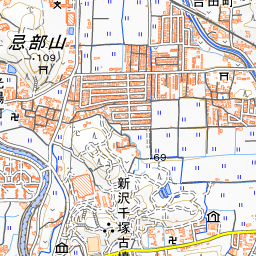
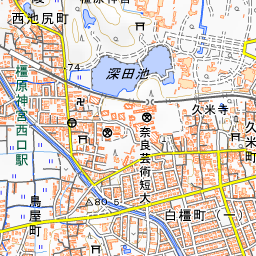
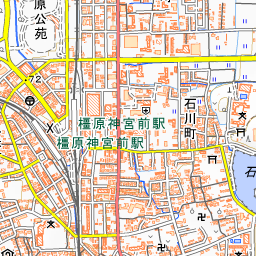
Spot location © OpenStreetMap contributors (ODbL)
Open in Google MapsGuides that include this spot (1)
Use asobot while you walk
- See where you are on the map and find spots nearby
- Listen to the guide's audio in course order, one after another (with subtitles)
- Walk to the next spot while following the map
Open on your phone
Scan to open this spot in asobot on your phone.