 ✨ AI Generated
Rikkyo University
Japanese: 立教大学
Toshima City, Tokyo
This information was written by AI and may contain mistakes. Please check official sources for opening hours, fees, and other details before you go.
Found a mistake? Let us know with “✏️ Something's wrong” on this spot's screen in asobot →
🎧 Audio guide(1:02)
In short
The Ikebukuro Campus of Rikkyo University is a campus where red-brick buildings from the Taisho era still stand today. The university traces its roots back to a private school opened in Tsukiji in 1874 (Meiji 7) and relocated to Ikebukuro in 1918 (Taisho 7). Six buildings, including the Main Building (Morris Hall), have been designated as Tokyo Selected Historical Buildings.
- Main Building (Morris Hall): Standing directly opposite the main gate, this red-brick structure based on Tudor style serves as the symbol of the university.
- Ivy and Himalayan Cedars: Ivy covers the walls of the Main Building, and in front of it stand two Himalayan cedars said to have been planted around 1920 (Taisho 9).
- Chapel and Former Library: Flanking the Main Building on the left and right are the former library building and the chapel, built of brick during the same period.
History and Highlights
The beginnings of Rikkyo University date back to 1874 (Meiji 7). Bishop Channing Moore Williams, a missionary of the American Episcopal Church, opened a private school teaching the Bible and English studies in the foreign settlement of Tsukiji, Tokyo. Starting with just a handful of students, this school later became Rikkyo School and took the name "Rikkyo University" in 1907.
The university relocated from Tsukiji to Ikebukuro on September 11, 1918. The brick buildings of the Ikebukuro Campus were completed around the autumn of that year. On May 31 of the following year, a grand dedication ceremony was held for the Main Building, the chapel, the library, the dining hall, and the dormitories. They were designed by the American architectural firm Murphy & Dana.
The university continues to preserve the six brick buildings completed in 1918 as symbols of the school. Five years after its completion, the centrally positioned Main Building was struck by the Great Kanto Earthquake, which collapsed the top of its central tower. As a result, the number of stories in the tower portion was reduced, resulting in its current appearance. Six structures—the Main Building, the former library building, the chapel, the First Dining Hall, Building No. 2, and Building No. 3—are designated as Tokyo Selected Historical Buildings.
Highlights to See and Experience
- Main Building (Morris Hall): Standing directly facing the university's main gate, this red-brick building is based on Tudor style. It is called Morris Hall because it was constructed through a donation from Arthur Rutherford Morris, a missionary of the American Episcopal Church.
- Ivy Covering the Walls: The ivy on the right side as viewed from the main gate is Japanese ivy (kizuta) transplanted from the theological seminary's chapel in 1924 (Taisho 13), and it is said to remain green year-round. On the left side is Japanese ivy transplanted from Jiyu Gakuen in Mejiro in 1925 (Taisho 14). The Boston ivy (natsuzuta) covering the entire surface changes color in autumn and sheds its leaves in late autumn.
- Himalayan Cedars and Chapel: In front of the Main Building stand two Himalayan cedars said to have been planted around 1920 (Taisho 9), which are decorated for Christmas in December. To the right of the Main Building stands the Rikkyo Gakuin All Saints Chapel, and to the left stands the former library, the Mather Library Memorial Hall.
Tips for Walking Around
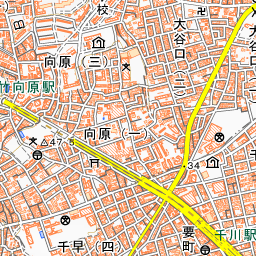
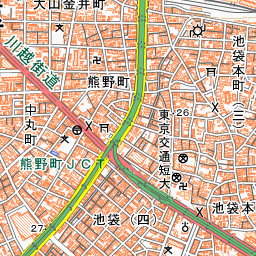
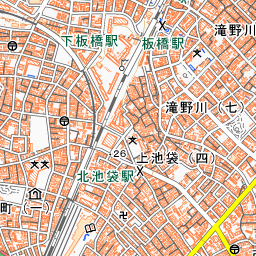
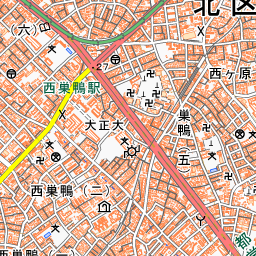
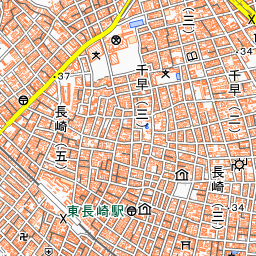
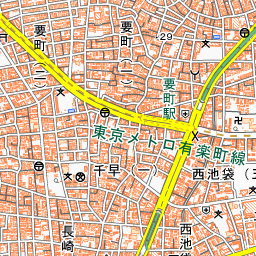
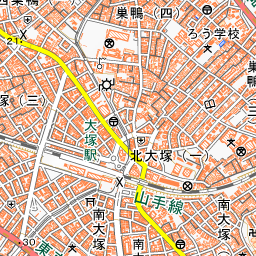
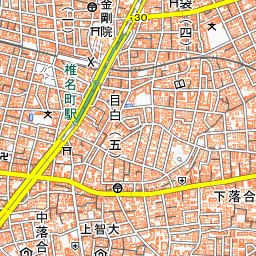
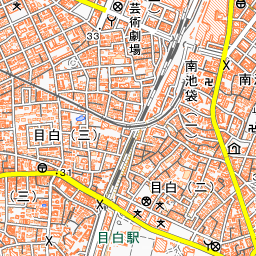
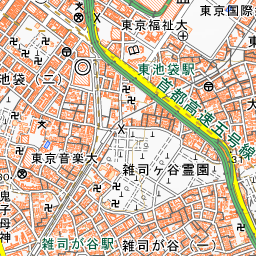
From the West Exit of Ikebukuro Station, it is about a 7-minute walk to the university's main gate. From Exit 6 of Tokyo Metro Kanamecho Station, it is about a 6-minute walk to the main gate. Upon entering the main gate, you will see the Main Building directly ahead, the chapel to your right, and the Mather Library Memorial Hall to your left. The name Mather comes from an American industrialist who contributed greatly to the construction of this library. Inside the campus, about 220 meters to the north, stands the Former Edogawa Rampo Residence, where Edogawa Rampo once lived. Because these are university facilities, please walk through quietly so as not to disrupt classes or campus events.




Spot location © OpenStreetMap contributors (ODbL)
Open in Google MapsUse asobot while you walk
- See where you are on the map and find spots nearby
- Listen to the guide's audio in course order, one after another (with subtitles)
- Walk to the next spot while following the map
Open on your phone
Scan to open this spot in asobot on your phone.