 ✨ AI Generated
Osaka City Central Public Hall
Japanese: 大阪市中央公会堂
Kita Ward, Osaka
This information was written by AI and may contain mistakes. Please check official sources for opening hours, fees, and other details before you go.
Found a mistake? Let us know with “✏️ Something's wrong” on this spot's screen in asobot →
🎧 Audio guide(1:07)
In short
A historic Neo-Renaissance style building on Nakanoshima. Its origin dates back to 1911, when Iwamoto Einosuke, a stockbroker from Kitahama, donated 1 million yen to the city of Osaka to fund the construction of a public hall, and it was completed in November 1918. It served as a venue for operas, concerts, and lectures by figures such as Albert Einstein and Helen Keller. Preservation and restoration work was completed in 2002, and in the same year, it became the first public hall building in western Japan to be designated as a national Important Cultural Property.
- Red and White Exterior and Front Statues: It is designed in the Neo-Renaissance style, the same style as the Tokyo Station building designed by Tatsuno Kingo. Above the front arch stand statues of Minerva and Mercury, symbolizing the arts and commerce
- Paintings and Stained Glass in the Special Room: In the Special Room on the third floor, there are paintings depicting scenes from Japanese myth and legend by Matsuoka Hisashi, and stained glass featuring a design combining a phoenix with the miotsukushi, the symbol of Osaka City. The Special Room can be viewed as part of a guided tour
- Basement Exhibition Room: An exhibition room on the first basement floor that can be visited freely. Through historical materials and photo panels, it introduces the building's history from its founding through the preservation and restoration work to the present day, and items related to Iwamoto Einosuke are also on display
History and Highlights
Osaka City Central Public Hall is a historic Neo-Renaissance style building located on Nakanoshima. Its origin dates back to a donation by Iwamoto Einosuke, a stockbroker from Kitahama. Joining a business delegation to the United States in 1909, Iwamoto was deeply impressed by American businessmen contributing their personal wealth to public enterprises. In 1911, he donated 1 million yen to the city of Osaka to fund the construction of a public hall.
In a design competition held in 1912, Okada Shinichiro's proposal won first prize, and based on that original proposal, Tatsuno Kingo and Kataoka Yasushi carried out the detailed design. Construction was completed in November 1918, but Iwamoto passed away in 1916 without seeing its completion.
After its completion, it served as a venue for operas, concerts, and lectures by figures such as Albert Einstein and Helen Keller, playing a profound role in the development of Osaka's culture and arts. Although its demolition was once debated, preservation and restoration work began in 1999. In September 2002, work was completed that restored the building to its original appearance while ensuring high seismic resistance. In December of the same year, it became the first public hall building in western Japan to be designated as a national Important Cultural Property.
Viewing and Experience Highlights
- Red and White Exterior and Front Statues: The exterior, featuring a red and white palette, is designed in the Neo-Renaissance style, the same style as the Tokyo Station building designed by Tatsuno Kingo. Above the front arch stand statues of Minerva and Mercury, symbolizing the arts and commerce.
- Paintings and Stained Glass in the Special Room: In the Special Room on the third floor, there are paintings depicting scenes from Japanese myth and legend by Matsuoka Hisashi, a painter who studied in Italy. The ceiling depicts Izanagi and Izanami receiving the halberd used to create the world. The stained glass decorating the front features a design combining a traditional phoenix motif with the miotsukushi (channel mark), the symbol of Osaka City. The Special Room can be viewed as part of a guided tour.
- Basement Exhibition Room: The exhibition room on the first basement floor can be visited freely. Through historical materials and photo panels, it introduces the building's history from its founding through the preservation and restoration work to the present day, and items related to Iwamoto Einosuke are also on display.
Walking Tips
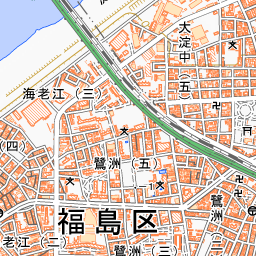
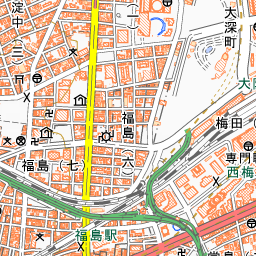
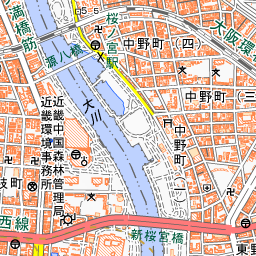
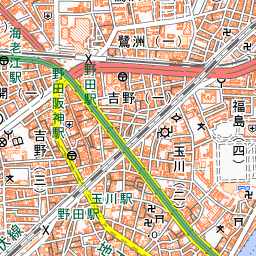
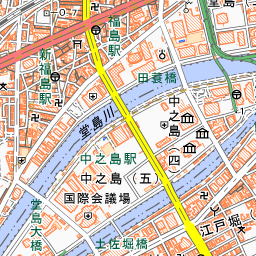
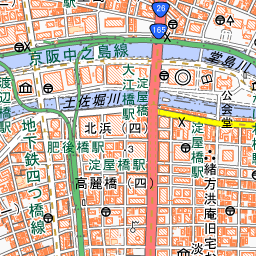
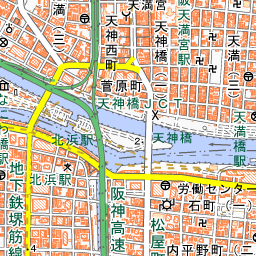
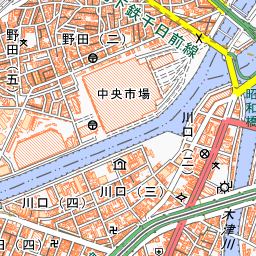
It is about a 1-minute walk from Exit 1 of Naniwabashi Station on the Keihan Nakanoshima Line, and about a 5-minute walk from Exit 1 of Yodoyabashi Station on the Midosuji Line and Keihan Main Line. Osaka Prefectural Nakanoshima Library is located about 70 meters to the west, and The Museum of Oriental Ceramics, Osaka is located about 140 meters to the east, allowing visitors to tour them alongside the modern buildings lining Nakanoshima.



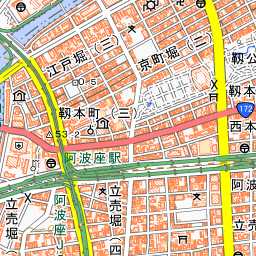
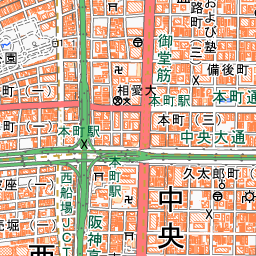
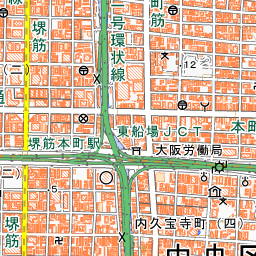
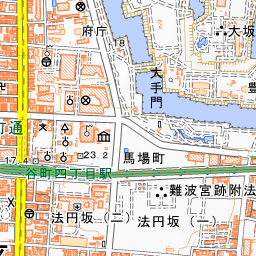
Spot location © OpenStreetMap contributors (ODbL)
Open in Google MapsGuides that include this spot (1)
Use asobot while you walk
- See where you are on the map and find spots nearby
- Listen to the guide's audio in course order, one after another (with subtitles)
- Walk to the next spot while following the map
Open on your phone
Scan to open this spot in asobot on your phone.