 ✨ AI Generated
Dainenbutsu-ji Temple
Japanese: 大念佛寺
Hirano Ward, Osaka
This information was written by AI and may contain mistakes. Please check official sources for opening hours, fees, and other details before you go.
Found a mistake? Let us know with “✏️ Something's wrong” on this spot's screen in asobot →
🎧 Audio guide(1:17)
In short
The head temple of the Yuzu Nenbutsu sect. The temple is said to trace its origins to 1127 (Daiji 2), when the founder, Ryonin Shonin, established a Nenbutsu training center in a sub-temple of Shuraku-ji Temple, which was Lord Hirono's family temple. All of the halls were destroyed by fire during the Summer Campaign of the Siege of Osaka, but the temple compound was restored around the Genroku era. The current main hall was completed in 1938 (Showa 13).
- Largest Wooden Main Hall in Osaka Prefecture: Built entirely of Japanese zelkova (keyaki), the main hall was designated as a Tangible Cultural Property of Osaka City in 2021 (Reiwa 3). The enormous rosary hanging across the entire outer hall consists of about 1,200 zelkova beads
- Manbu Oneri: A traditional event held every year from May 1 to May 5, in which the Twenty-five Bodhisattvas, wearing masks and traditional vestments, proceed across the Raigo-bashi Bridge toward the main hall. It is designated as an Intangible Folk Cultural Property of Osaka City
- Sanmon Gate: A gate with a rare design, built in 1706 (Hoei 3) by Daitsu Shonin and named the "Yuzumuge-mon Gate." The gate, its plaque, and its ridge-tag are designated as Tangible Cultural Properties of Osaka City
History and Highlights
Dainenbutsu-ji Temple is the head temple of the Yuzu Nenbutsu sect. The Yuzu Nenbutsu sect is an ancient school of Buddhism established in the late Heian period, following the Tendai and Shingon sects. It is said that when the founder, Ryonin Shonin, visited Shitenno-ji Temple—which is closely connected to Prince Shotoku—he received a revelation from the prince in a dream telling him that Hirano was an appropriate land for spreading Yuzu Nenbutsu.
At that time, Hirano was ruled by Lord Hirono, the second son of Sakanoue no Tamuramaro. The temple is said to trace its origins to 1127 (Daiji 2), when Ryonin Shonin established a Nenbutsu training center in a sub-temple of Shuraku-ji Temple, which was Lord Hirono's family temple. Retired Emperor Toba designated this site as the fundamental training center for propagating the Nenbutsu. Shuraku-ji Temple was later absorbed into Kumata-jinja Shrine in the early Meiji period.
In the early Edo period, the temple grounds were established at their current location, but all of the halls were completely destroyed by fire during the Summer Campaign of the Siege of Osaka in 1615 (Genna 1). Later, during the Genroku era under Daitsu Shonin, the 46th head priest, the temple compound was restored and many halls were built within the precincts. After the former main hall burned down in 1898 (Meiji 31), the current main hall was completed in 1938 (Showa 13).
Sights and Experiences
- Largest Wooden Main Hall in Osaka Prefecture: Built entirely of Japanese zelkova (keyaki), the main hall is the largest wooden structure in Osaka Prefecture and was designated as a Tangible Cultural Property of Osaka City in 2021 (Reiwa 3). An enormous rosary hanging across the entire outer hall consists of about 1,200 zelkova beads and is used in the Hyakumanben Ojuzukuri ritual.
- Manbu Oneri: This traditional temple event is held every year from May 1 to May 5. Twenty-five Bodhisattvas, wearing masks and traditional vestments, proceed across the Raigo-bashi Bridge toward the main hall. Representing the Amida Buddha and Bodhisattvas coming to welcome the deceased at the moment of death, it is designated as an Intangible Folk Cultural Property of Osaka City.
- Sanmon Gate: Built in 1706 (Hoei 3) by Daitsu Shonin, this gate features a rare design with a tall gable roof in the center flanked by lower roofs on both sides. Daitsu Shonin named it the "Yuzumuge-mon Gate." The gate, its plaque, and its ridge-tag are designated as Tangible Cultural Properties of Osaka City.
Tips for Exploring
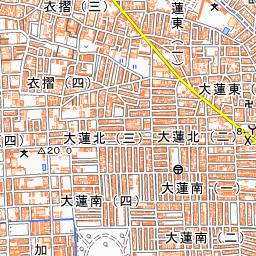
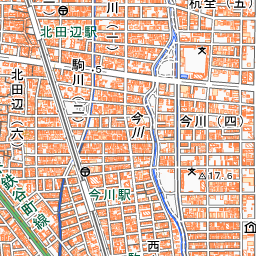
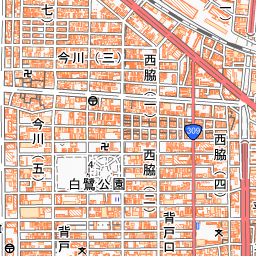
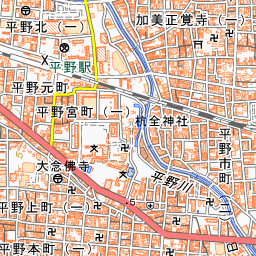
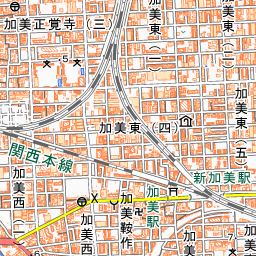
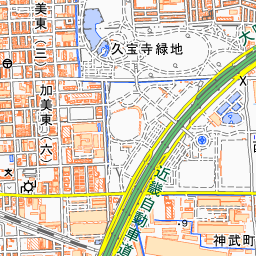
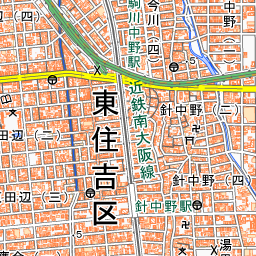
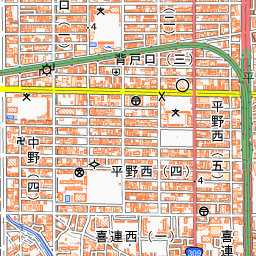
The temple is a 5-minute walk south from Hirano Station on the JR Yamatoji Line, and an 8-minute walk north from Hirano Station on the Osaka Metro Tanimachi Line. The surrounding area was once the town of Hirano-go, encircled by moats and earthen ramparts. About 430 meters to the east-northeast lies Kumata-jinja Shrine, which can be considered the general tutelary shrine of Hirano-go. On the fourth Sunday of every August, the temple hosts the "Ghost Museum," where visitors can view 12 ghost paintings by unknown artists housed at the temple, among other items.
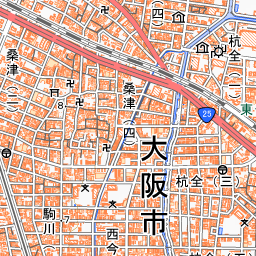
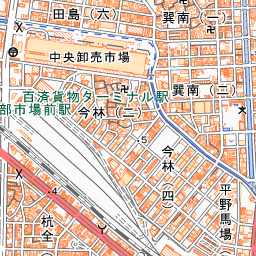
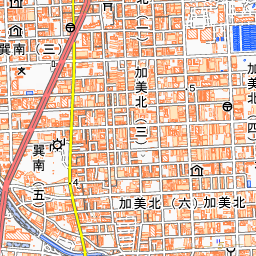
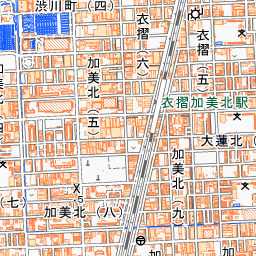

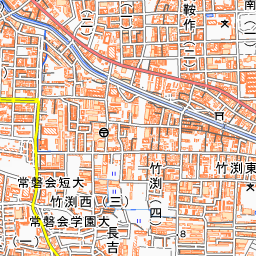
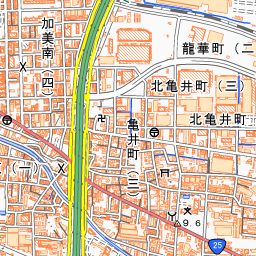
Spot location © OpenStreetMap contributors (ODbL)
Open in Google MapsGuides that include this spot (1)
Use asobot while you walk
- See where you are on the map and find spots nearby
- Listen to the guide's audio in course order, one after another (with subtitles)
- Walk to the next spot while following the map
Open on your phone
Scan to open this spot in asobot on your phone.