 ✨ AI Generated
Tamukeyama Hachimangu Shrine
Japanese: 手向山八幡宮
Nara City, Nara
This information was written by AI and may contain mistakes. Please check official sources for opening hours, fees, and other details before you go.
Found a mistake? Let us know with “✏️ Something's wrong” on this spot's screen in asobot →
🎧 Audio guide(1:07)
In short
Tamukeyama Hachimangu Shrine is located just south of Nigatsu-do Hall, at the foot of Mount Tamukeyama. Its origins date back to 749, when the deity was welcomed from Usa Hachimangu Shrine as the guardian deity of Todai-ji Temple during the construction of the Great Buddha of Todai-ji Temple. The current main hall was rebuilt in 1691, and the shrine grounds are also known as a popular spot for autumn foliage.
- Azekura-zukuri Treasure House: The treasure house on the grounds was relocated from Todai-ji Temple, built in the azekura-zukuri (log-cabin) style, and is designated as an Important Cultural Property of Japan.
- National Treasure Karakura Saddle: Among the shrine treasures handed down are a Chinese-style saddle (karakura) designated as a National Treasure and bugaku dance masks designated as Important Cultural Properties.
- Tegaie and Onda Festival: At the Tegaie on October 5, the portable shrine (mikoshi) is welcomed at Tegaimon Gate of Todai-ji Temple. On the day of Setsubun, the Onda Festival is held, featuring ritual performances reenacting rice planting.
History and Highlights
Tamukeyama Hachimangu Shrine is an ancient shrine located at the foot of Mount Tamukeyama. In 749 (the first year of the Tenpyo-shoho era), for the creation of the Rushana Buddha—the Great Buddha of Todai-ji Temple—Hachiman was welcomed as the guardian deity of Todai-ji Temple from Usa Hachimangu Shrine in Buzen Province, Kyushu (present-day Oita Prefecture). The current main hall was rebuilt in 1691 (the fourth year of the Genroku era).
The treasure house on the shrine grounds is a building in the azekura-zukuri style relocated from Todai-ji Temple, and is designated as an Important Cultural Property of Japan. Shrine treasures include a karakura saddle designated as a National Treasure and bugaku dance masks designated as Important Cultural Properties.
The annual grand festival held on October 5 each year is called Tegaie. It is said that when the deity was welcomed from Usa, the portable shrine was moved to Tegaimon Gate of Todai-ji Temple and made an otabisho (temporary resting place), which is considered the origin of this name. On the day of the festival, after Shinto rituals at the shrine, a ritual welcoming the portable shrine is held at Tegaimon Gate. The seated statue of Hachiman in the guise of a monk, a National Treasure that was originally the shrine's object of worship, was moved to Todai-ji Temple during the anti-Buddhist movement (haibutsu-kishaku) at the beginning of the Meiji period, and is specially displayed on this day at Kanjinsho Hachimanden of Todai-ji Temple.
Highlights for Viewing and Experiencing
- Autumn Foliage Spot: Tamukeyama Hachimangu Shrine is known as a famous spot for autumn leaves. If visiting in autumn, take note of the changing colors of the trees on the grounds.
- Azekura-zukuri Treasure House: The treasure house on the grounds is a storehouse built in the azekura-zukuri style. Relocated from Todai-ji Temple, it is designated as an Important Cultural Property of Japan.
- Setsubun Onda Festival: On the day of Setsubun in February, the Otaue-matsuri (rice-planting ritual) is held. An agricultural rite conducted in the form of Noh dance and chant, it is also called the "Onda Festival." A miko (shrine maiden), children dressed as an ox, and a field master wearing an okina (old man) mask make a circuit around the grounds, and inside the worship hall representing a rice paddy, they perform gestures of tilling the seedbed and sowing rice seeds. It is an Intangible Folk Cultural Property of Nara City.
Tips for Exploring
Heading about 160 meters north from Tamukeyama Hachimangu Shrine brings you to Nigatsu-do Hall. It is a location that is easy to visit together with Nigatsu-do Hall. The Great Buddha Hall is about 460 meters to the west.
Heading about 830 meters south from here brings you to Kasuga-taisha Shrine. Walking from the Great Buddha Hall of Todai-ji Temple to Nigatsu-do Hall, then to Tamukeyama Hachimangu Shrine, and continuing south toward Kasuga-taisha Shrine makes it possible to tour them continuously. On the day of Tegaie, after the rituals at the shrine, the ceremonies continue with the venue shifting to Tegaimon Gate of Todai-ji Temple.
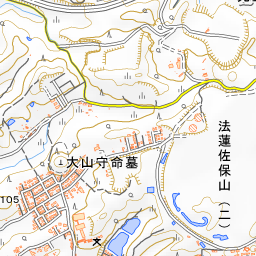

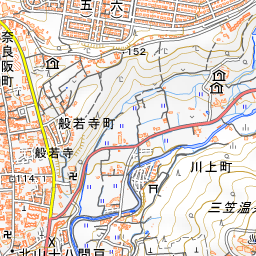
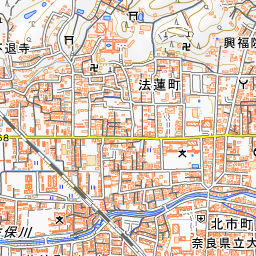
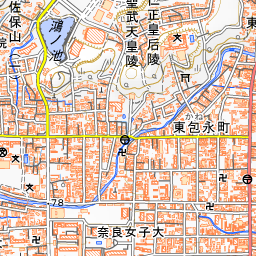
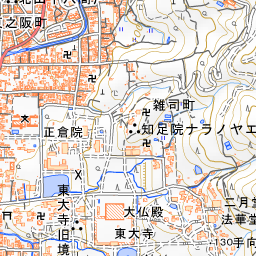
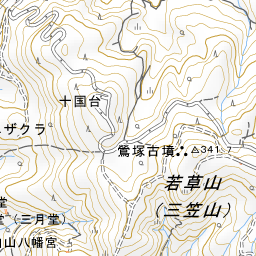
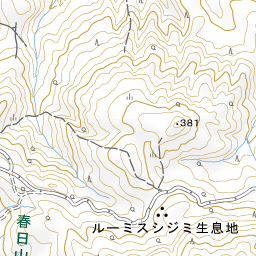

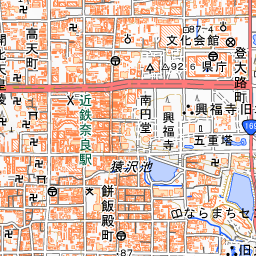
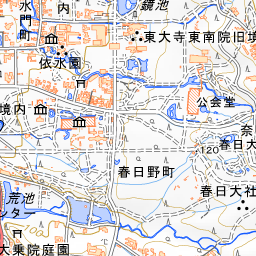
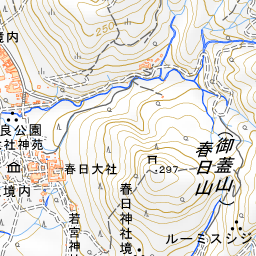
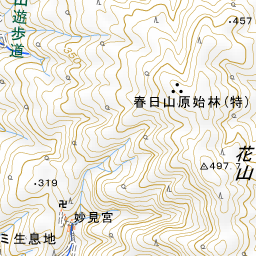
Spot location © OpenStreetMap contributors (ODbL)
Open in Google MapsUse asobot while you walk
- See where you are on the map and find spots nearby
- Listen to the guide's audio in course order, one after another (with subtitles)
- Walk to the next spot while following the map
Open on your phone
Scan to open this spot in asobot on your phone.