 ✨ AI Generated
Hachiko Statue
Japanese: 忠犬ハチ公像
Shibuya City, Tokyo
This information was written by AI and may contain mistakes. Please check official sources for opening hours, fees, and other details before you go.
Found a mistake? Let us know with “✏️ Something's wrong” on this spot's screen in asobot →
🎧 Audio guide(1:00)
In short
This bronze statue of the Akita dog Hachi stands in the plaza in front of Shibuya Station. Even after his owner, Dr. Ueno Hidesaburo, passed away, Hachi continued to wait for him at Shibuya Station for about 10 years. It is also known as "Japan's best meeting spot."
- A second-generation statue rebuilt after the war: The original statue was melted down for scrap during the war, and the current statue is the second generation, rebuilt in 1948.
- Hachi waiting at the ticket gate: Hachi, who used to see Dr. Ueno off and welcome him back, sat in front of the ticket gate every morning and evening even after the doctor's sudden death.
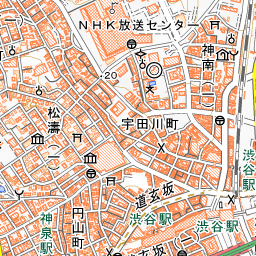
- Right by the scramble crossing: Walking about 50 meters to the north brings you to the Shibuya Scramble Crossing.
History and Highlights
The Hachiko Statue is a bronze statue of the Akita dog Hachi standing in the plaza in front of Shibuya Station. It is known as "Japan's best meeting spot."
Hachi was born in November 1923 in Odate City, Akita Prefecture. In January of the following year, the puppy, about 50 days old, arrived at Ueno Station wrapped in a rice sack and was delivered to the home of Dr. Ueno Hidesaburo near Shibuya Station. Dr. Ueno was a professor in the Faculty of Agriculture at Tokyo Imperial University. There are various theories about the origin of Hachi's name, but one explanation says it was because his firmly planted front legs resembled the Japanese kanji character for the number eight (八, read "hachi"). Whenever the doctor left for work, Hachi came to see him off and meet him at the Shibuya Station ticket gate.
However, on May 21, 1925, Dr. Ueno collapsed at the university and passed away suddenly. Even after that, Hachi went to Shibuya Station every morning and evening, sitting in front of the ticket gate. In 1932, Saito Hirokichi, who founded the Association for the Preservation of the Japanese Dog (Nihon Ken Hozonkai), wrote an article about this in the newspaper. As a result, Hachi became known both domestically and abroad.
In 1934, through donations, a bronze statue was completed in front of the ticket gate, and Hachi himself attended the unveiling ceremony on April 21. Hachi passed away on March 8 of the following year, bringing an end to his roughly 10 years of waiting at the station.
Viewing and Experience Points
- The second-generation statue: The creator of the original statue was the sculptor Ando Teru. In October 1944, under the Metal Collection Act, this statue was handed over and melted down. The current statue is the second generation, rebuilt in 1948, crafted by Teru's son, Takeshi. High-ranking officials from GHQ also attended the unveiling ceremony on August 15.
- A story that spread worldwide: When Helen Keller visited Japan for the first time in 1937, she visited this statue. In 2009, the American film "Hachi: A Dog's Tale," a remake of the 1987 Japanese film "Hachiko Monogatari," was released.
- Hachi's feelings: Saito Hirokichi said that he did not think Hachi felt a desire to repay a favor, but rather believed that all Hachi had was pure, unmixed affection for the master who cherished him.
Tips for Exploring
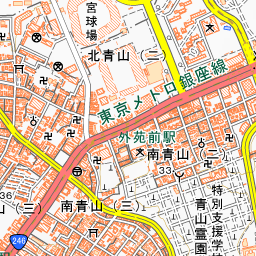
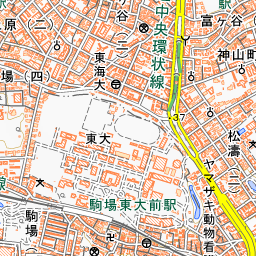
After seeing the statue, try walking about 50 meters north to the Shibuya Scramble Crossing. You can trace the continuation of Hachi's story in other places as well. Hachi's remains were mounted as a taxidermy specimen and are preserved at the National Museum of Nature and Science in Ueno Park. At Aoyama Cemetery, Hachi's memorial monument stands close by Dr. Ueno's grave. At the Faculty of Agriculture of the University of Tokyo, a statue titled "Statue of Hachiko and Dr. Ueno" was created in 2015, depicting Hachi welcoming the doctor at Shibuya Station.
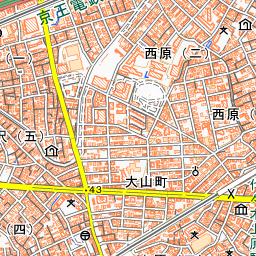
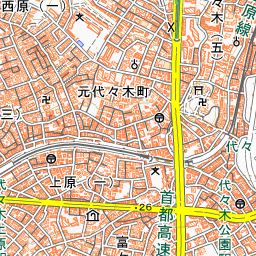
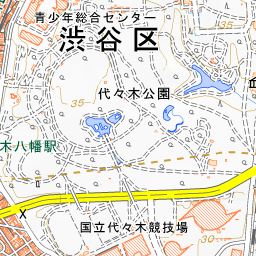
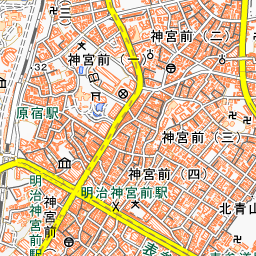
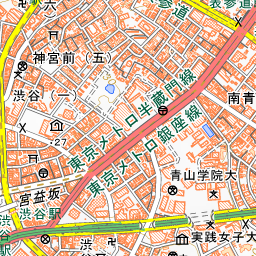


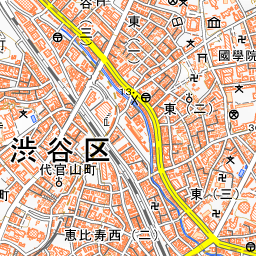
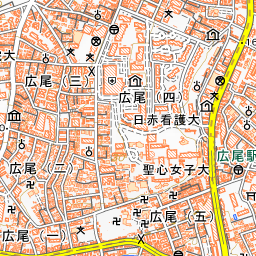
Spot location © OpenStreetMap contributors (ODbL)
Open in Google MapsGuides that include this spot (1)
Use asobot while you walk
- See where you are on the map and find spots nearby
- Listen to the guide's audio in course order, one after another (with subtitles)
- Walk to the next spot while following the map
Open on your phone
Scan to open this spot in asobot on your phone.