 ✨ AI Generated
Goryo-jinja Shrine
Japanese: 御霊神社
Fukuchiyama, Kyoto
This information was written by AI and may contain mistakes. Please check official sources for opening hours, fees, and other details before you go.
Found a mistake? Let us know with “✏️ Something's wrong” on this spot's screen in asobot →
🎧 Audio guide(1:08)
In short
Goryo-jinja Shrine is a shrine where Akechi Mitsuhide is enshrined as a deity. In Fukuchiyama during the Edo period, disasters occurred repeatedly, and it is said that people began to consider whether these might be the curse of Mitsuhide. In 1705 (Hoei 2), Kutsuki Tanemasa, the lord of Fukuchiyama Castle, founded the shrine in response to the wishes of the local people.
- Kachu Gunpo and Mitsuhide's Letters: The "Kachu Gunpo" (Military Regulations for Vassals) of 18 articles in all, established by Mitsuhide, and two letters written by him are preserved as shrine treasures
- Stone Monument of the Land Tax Exemption: A stone monument stands inscribed with the poem, "By decreeing tax exemption, Mitsuhide left his name." Mitsuhide is said to have exempted jishisen, a tax levied on town estates, and stimulated commerce
- Kanae-ishi Stone: There is a stone said to grant wishes when prayed to
History and Highlights
Goryo-jinja Shrine is a shrine where Akechi Mitsuhide is enshrined as a deity. It was originally a small shrine dedicated to Uganomitama-no-Okami. In Fukuchiyama during the Edo period, disasters such as fires, floods, and earthquakes occurred repeatedly, and it is said that people began to consider whether these might be the curse of Mitsuhide. In 1705 (Hoei 2), more than 100 years after the Honno-ji Incident, Kutsuki Tanemasa, who was the lord of Fukuchiyama Castle at the time, responded to the wishes of the local people by enshrining Mitsuhide's spirit together in this shrine, thus founding Goryo-jinja Shrine. It is said that the local people, who had passed down stories of Mitsuhide's benevolent rule, were overjoyed, and the "Goryo-e" festival held for Mitsuhide suddenly became very grand.
The Goryo faith, which venerates those who were falsely accused or died untimely deaths, can be found in various regions, and Goryo-jinja Shrine in Fukuchiyama is one such place. Mitsuhide is said to have governed benevolently during his brief rule through measures such as the exemption of jishisen (land taxes) and flood control, and he is still warmly regarded as a wise ruler in Fukuchiyama today.
Points for Viewing and Experiencing
- Kachu Gunpo (Military Regulations for Vassals) and Mitsuhide's Letters: Preserved at the shrine as treasures are the "Kachu Gunpo" established by Mitsuhide and two letters written by him. The Kachu Gunpo consists of 18 articles detailing the battle conduct of samurai vassals and ashigaru (foot soldiers), as well as standards for burdens based on fief value (chigyodaka), and it is considered the only existing military code from the Oda army corps. It was enacted on June 2, 1581 (Tensho 9), exactly one year before the Honno-ji Incident.
- Stone Monument of the Land Tax Exemption: Jishisen was a tax levied on town estates. Mitsuhide is said to have exempted this tax to attract people to the castle town's estates and stimulate commerce. Within the shrine grounds stands a stone monument inscribed with the poem, "By decreeing tax exemption, Mitsuhide left his name."
- Kanae-ishi Stone: Within the grounds is the Kanae-ishi Stone, which is said to grant wishes when prayed to.
Walking Tips
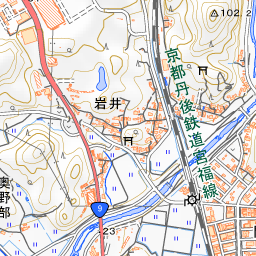
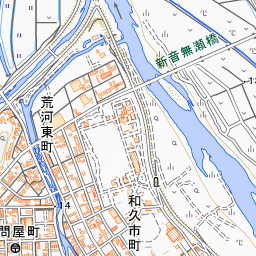
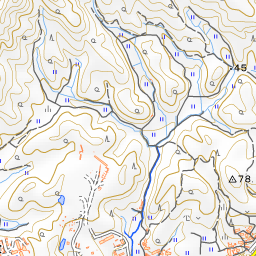
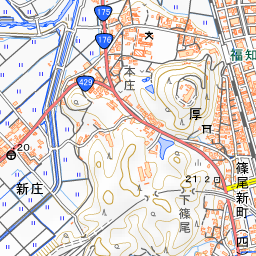
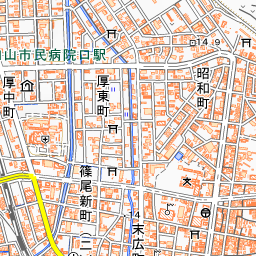
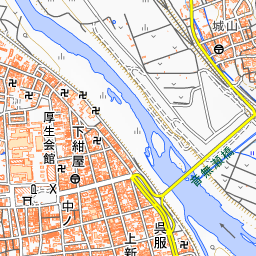
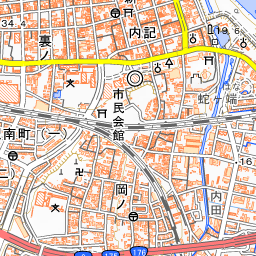
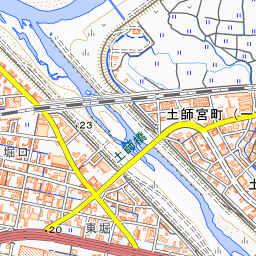
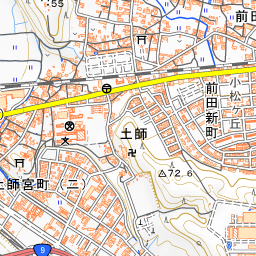
It is about 1 kilometer from Fukuchiyama Station, approximately a 10-minute walk. The castle tower of Fukuchiyama Castle, built by Mitsuhide, is about 870 meters to the southeast, allowing for a pleasant walk through the castle town. In the nearby Aoi-dori Shopping Street, fitting for a "railway town," the street pavement is designed in colors resembling train tracks.
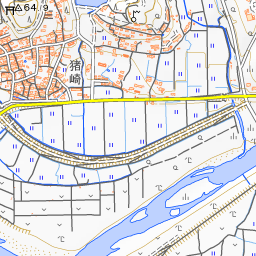
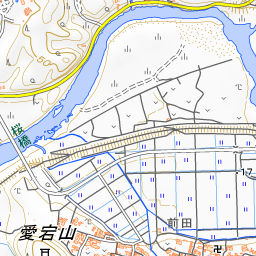
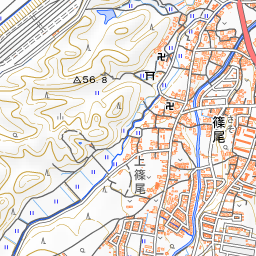
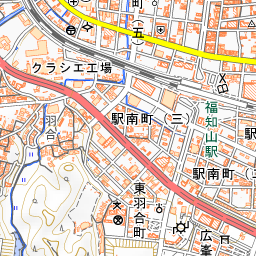
Spot location © OpenStreetMap contributors (ODbL)
Open in Google MapsGuides that include this spot (1)
Use asobot while you walk
- See where you are on the map and find spots nearby
- Listen to the guide's audio in course order, one after another (with subtitles)
- Walk to the next spot while following the map
Open on your phone
Scan to open this spot in asobot on your phone.