 ✨ AI Generated
Kashihara-jingu Shrine
Japanese: 橿原神宮
Kashihara, Nara
This information was written by AI and may contain mistakes. Please check official sources for opening hours, fees, and other details before you go.
Found a mistake? Let us know with “✏️ Something's wrong” on this spot's screen in asobot →
🎧 Audio guide(1:02)
In short
Kashihara-jingu Shrine is a Shinto shrine located at the southeastern foot of Mt. Unebi. Situated in Kashihara, which is described in the Nihon Shoki (The Chronicles of Japan) as the birthplace of Japan, it enshrines the first emperor, Emperor Jinmu, and Empress Himetataraisuzuhime. It was founded in 1890 (Meiji 23) on the site of Kashihara Palace, where Emperor Jinmu is said to have ascended the throne. The shrine grounds cover approximately 530,000 square meters and are enveloped in a lush forest of trees.
- Honden (Main Sanctuary): Originally the Naishidokoro building of the Kyoto Imperial Palace, this structure was relocated here and is designated an Important Cultural Property of Japan.
- Outer Haiden (Worship Hall) and Omotesando (Front Approach): As you walk along the Omotesando lined with oak trees and pass through the Minami-shinmon Gate, the Outer Haiden opens up with Mt. Unebi rising in the background.
- Fukada-ike Pond: A large pond stretching across the south of the shrine grounds, said to have been constructed during the Asuka period.
History and Highlights
Kashihara-jingu Shrine enshrines Emperor Jinmu and Empress Himetataraisuzuhime. Kashihara is the site identified in the Nihon Shoki as the place of the foundation of Japan. It is handed down that Emperor Jinmu journeyed eastward from Takachiho in Kyushu and acceded to the throne as the first emperor at Kashihara Palace, at the southeastern base of Mt. Unebi.
Prior to its founding, the former site of this palace had become agricultural fields. From the late 1870s to the mid-1880s (the second decade of the Meiji period), a grassroots movement arose to honor the site of the palace. Emperor Meiji bestowed the Naishidokoro (Kashikodokoro) of the Kyoto Imperial Palace to serve as the Honden (main sanctuary), and the Shinkaden Hall to serve as the Haiden (worship hall). Thus, in 1890 (Meiji 23), Kashihara-jingu Shrine was founded. Adjacent to the shrine is the imperial mausoleum of Emperor Jinmu, which was designated in 1863 (Bunkyu 3) toward the end of the Edo period.
The year 1940 (Showa 15) marked what was considered the 2,600th anniversary of Emperor Jinmu's enthronement. At this time, the grounds were significantly expanded, with a cumulative total of more than 1.21 million members of nation-building volunteer corps from across the country taking part in the construction work. Of the roughly 76,000 trees planted, more than 22,000 were donated from around the country. In connection with the name Kashihara (meaning "oak plain"), species of oak were primarily planted. Today's grounds cover roughly 530,000 square meters, and those trees have formed a lush forest.
Viewing and Experience Highlights
- Honden and Outer Haiden: The Honden is the Kyoto Imperial Palace's former Naishidokoro, built in 1855 (Ansei 2), and is an Important Cultural Property of Japan. It features an irimoya-zukuri (hip-and-gable) style with a hiwadabuki (cypress bark) roof. The Outer Haiden, where visitors offer prayers, was constructed in 1939 (Showa 14). Looking from the Outer Haiden toward the Inner Haiden, you can see the golden chigi (forked roof finials) and katsuogi (ridge logs) of the Heiden (hall of offerings) rising beyond the roof.
- Omotesando Approach and Torii Gates: From the First Torii, the Omotesando approach extends straight westward for about 300 meters, lined on both sides by oak trees. The four torii gates on the grounds are all made in the shiraki-zukuri style, highlighting the natural texture of unpainted wood. The Second Torii, located midway along the approach, is the largest torii gate.
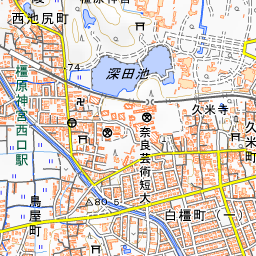
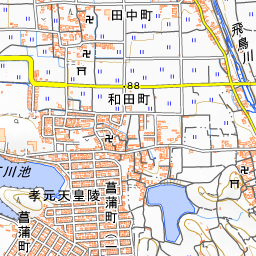
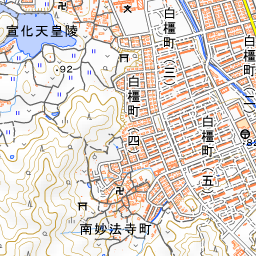
- Fukada-ike Pond: To the south of the open plaza in front of the Minami-shinmon Gate lies a pond measuring about 49,500 square meters. It is a reservoir said to date back to the Asuka period, and visitors can look out toward the Katsuragi and Kongo mountains in the distance. A variety of wild birds can also be observed through the changing seasons.
Walking Tips
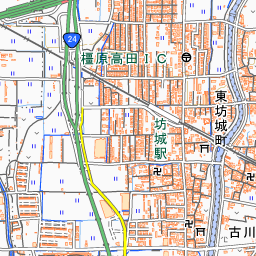
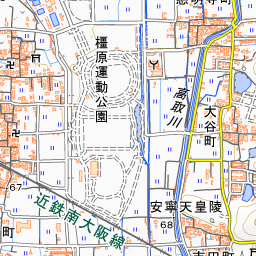
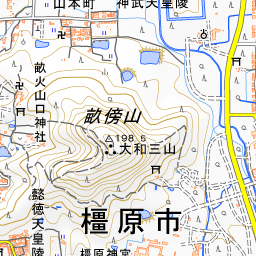
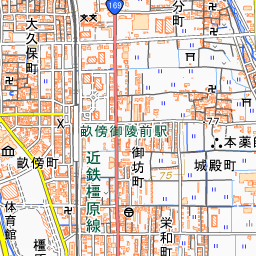
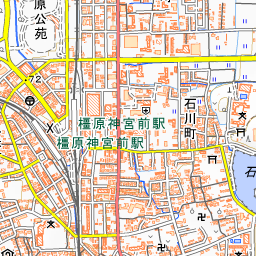
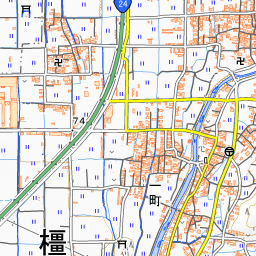
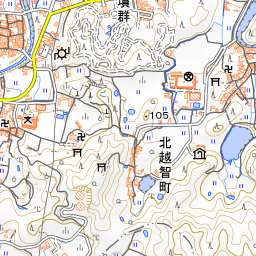
The shrine is about a 10-minute walk from the Central Exit of Kintetsu Kashiharajingu-mae Station. Heading west along the Omotesando from the First Torii, crossing the sacred bridge, and passing through the Second Torii, you will reach the Minami-shinmon Gate. As you climb the stone steps of the Minami-shinmon Gate, the Outer Haiden framed by Mt. Unebi appears before you under an open sky. The path from the Minami-shinmon Gate to the Outer Haiden is paved, making it accessible for baby strollers and wheelchairs. After worshiping, taking a walk around Fukada-ike Pond along the promenade that extends to the opposite shore is recommended. Along the North Approach (Kitasando), there is a trailhead for Mt. Unebi. To the south lies Kume-dera Temple.

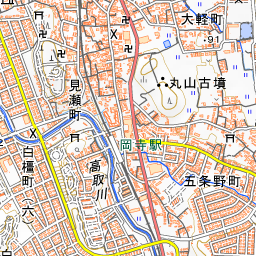
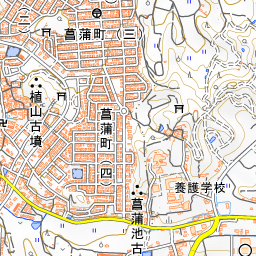
Spot location © OpenStreetMap contributors (ODbL)
Open in Google MapsGuides that include this spot (1)
Use asobot while you walk
- See where you are on the map and find spots nearby
- Listen to the guide's audio in course order, one after another (with subtitles)
- Walk to the next spot while following the map
Open on your phone
Scan to open this spot in asobot on your phone.