
Mugiyama Floating Bridge
Japanese: 麦山浮橋
Okutama Town, Tokyo
This information was written by AI and may contain mistakes. Please check official sources for opening hours, fees, and other details before you go.
Found a mistake? Let us know with “✏️ Something's wrong” on this spot's screen in asobot →
🎧 Audio guide(0:56)
In short
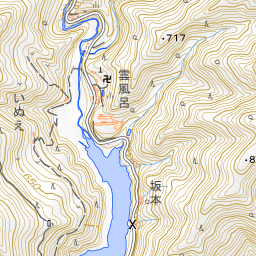
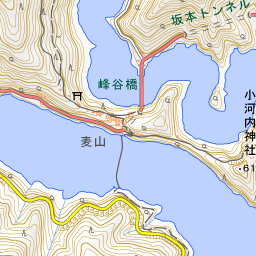
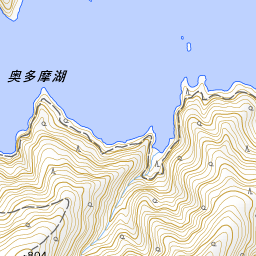
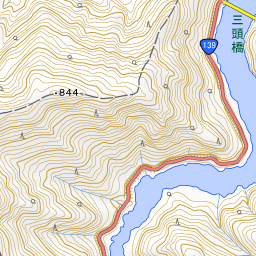
The Mugiyama Floating Bridge is a pedestrian-only pontoon bridge spanning approximately 220 meters near the center of Lake Okutama. Because oil drums were initially used for its floats, it was also called the "Drum Can Bridge." It is one of two floating bridges on the lake and connects the Ome Kaido road with the Okutama Shuyu Road.
- Walking on the Lake: You can view the lake up close while crossing the swaying floating bridge. If the lake's water level drops, the bridge may be removed, making it impossible to cross.
- A Bridge that Changes Shape: The bridge shifts its shape up, down, left, and right depending on the water level and wind.
- A Path to the Opposite Shore: It was built for forestry work on the opposite bank after movement was restricted by the construction of Lake Okutama.
History and Highlights
The Mugiyama Floating Bridge is one of two floating bridges spanning Lake Okutama. Located near the center of the lake, it measures approximately 220 meters in length. The other is the Tozura Floating Bridge, situated near the Kamosawa Bridge, with a length of about 210 meters.
The floating bridges are pedestrian bridges constructed to allow forestry work on the opposite bank after direct travel was restricted by the construction of Lake Okutama. Today, they are used for managing the opposite shore and for local residents and tourists crossing the lake. This pedestrian-only bridge links the Ome Kaido road with the Okutama Shuyu Road.
Its structure consists of planks laid across polyethylene floats, forming what is known as a floating bridge. Because oil drums were originally used as floats, it was also called the "Drum Can Bridge." Being able to look out over the lake up close while crossing the swaying pontoon structure has made it a famous feature of Lake Okutama.
Viewing and Experience Points
- Walking on the Lake: Crossing the swaying floating bridge allows you to observe the lake from right above the water.
- A Bridge Like a Living Creature: The bridge shifts its form up, down, left, and right with the water level and the wind, almost like a living creature. Enjoy feeling the movement beneath your feet.
- Breeze on the Lake: Out on the water, you can feel the breeze blowing across the surface of the lake with your entire body.
Tips for Exploring
Take a bus from JR Okutama Station and get off at "Ogochi Jinja / Mugiyama Ukihashi"; the floating bridge is just a 1-minute walk away. Crossing the bridge and continuing on foot brings you to Yama-no-Furusatomura in about 40 minutes. Between Yama-no-Furusatomura and the Mugiyama Floating Bridge, there is also a 2.5-kilometer hiking trail called "Kohan no Komichi" (Lakeside Trail) along the southern shore of the lake.
A 10-minute walk from the bus stop leads to Ogochi Shrine. It is the local guardian shrine of the Ogochi area, founded by welcoming the deities once enshrined in the various districts of Ogochi that were submerged during the construction of the Ogochi Reservoir.
When the lake's water level drops, the floating bridge is removed for safety reasons, and you will not be able to cross the lake. Be sure to check the bridge closure information provided by the Tokyo Metropolitan Government Bureau of Waterworks before heading out.

Guides that include this spot (1)
Use asobot while you walk
- See where you are on the map and find spots nearby
- Listen to the guide's audio in course order, one after another (with subtitles)
- Walk to the next spot while following the map
Open on your phone
Scan to open this spot in asobot on your phone.