 ✨ AI Generated
Takehara City History and Folklore Museum
Japanese: 竹原市歴史民俗資料館
Takehara, Hiroshima
This information was written by AI and may contain mistakes. Please check official sources for opening hours, fees, and other details before you go.
Found a mistake? Let us know with “✏️ Something's wrong” on this spot's screen in asobot →
🎧 Audio guide(1:10)
In short
This museum is located within the Takehara Historic Preservation District. Focusing on the salt manufacturing industry that brought prosperity to Takehara through salt fields, it presents materials relating to the town's daily life, history, and culture. The building is a Western-style structure constructed in the early Showa period as the town-run Takehara Shoin Library.
- History of the Salt-Producing Town: The museum displays historical and folkloric materials with a primary focus on Takehara's salt fields, which were built in the early Edo period using techniques introduced from Ako
- Takehara Shoin and the Rai Family: Takehara Shoin began on this site in 1793. Rai Sanyo was born into the Rai family, which had its roots in Takehara
- Western-Style Architecture Formerly Used as a Library: Standing alongside Edo-period machiya townhouses, the Western-style building reflects the town's transition across different eras
History and Highlights
The Takehara City History and Folklore Museum is located within the Takehara Historic Preservation District. Focusing on the salt manufacturing industry that brought prosperity to Takehara through salt fields, it presents materials relating to the town's history, culture, and daily life.
During the Edo period, this site was home to the Confucian scholar Shionoya Doseki. After his death, his disciples, the brothers Rai Shunsui and Rai Shunpu, opened an academy here, which led to the founding of Takehara Shoin in 1793 (Kansei 5). Takehara Shoin served as a center for academic study and also as a cultural venue hosting poetry gatherings and other events.
The current Western-style building was constructed in the early Showa period as the town-run Takehara Shoin Library. After serving as a library for many years, it was reborn as the History and Folklore Museum in 1980. Its Western-style exterior stands out distinctly among the traditional machiya (merchant houses) lining the street.
Viewing and Experience Points
- History of the Salt-Producing Town: In the early Edo period, salt fields were built in Takehara using techniques introduced from Ako, making salt production the foundation of the town's prosperity. The museum displays historical and folkloric materials with a primary focus on Takehara's salt fields.
- Takehara Shoin and the Rai Family: Rai Sanyo, son of Rai Shunsui, was born into the Rai family that had its roots in Takehara. Standing on the site of the former academy, this museum offers an opportunity to learn about the background of why Takehara was called a "land of culture and education."
- Western-Style Architecture Formerly Used as a Library: The building itself, constructed as a library in the early Showa period, is another highlight. Standing alongside Edo-period machiya townhouses, it reflects the town's transition across different eras.
Walking Tips
Next to the museum stand statues of Takehara native Taketsuru Masataka—known as the "father of Japanese whisky"—and his wife, Rita. Stopping by here at the start of your walk to learn how Takehara developed will make exploring the rest of the town even more enjoyable. Shoren-ji Temple, associated with the Rai family, and Fumeikaku Hall, situated at the hilltop Saiho-ji Temple, are also located within the same historic townscape. Information about the formation of the streets is introduced in the "Takehara Historic Preservation District" guide, and details of each site can be found in their respective listings.

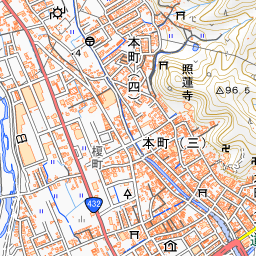

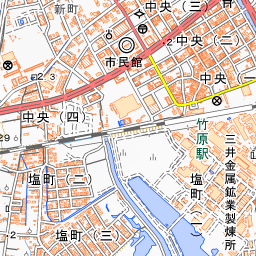

Spot location © OpenStreetMap contributors (ODbL)
Open in Google MapsGuides that include this spot (1)
Use asobot while you walk
- See where you are on the map and find spots nearby
- Listen to the guide's audio in course order, one after another (with subtitles)
- Walk to the next spot while following the map
Open on your phone
Scan to open this spot in asobot on your phone.