 ✨ AI Generated
Meguro River Cherry Tree Avenue
Japanese: 目黒川の桜並木
Meguro City, Tokyo
This information was written by AI and may contain mistakes. Please check official sources for opening hours, fees, and other details before you go.
Found a mistake? Let us know with “✏️ Something's wrong” on this spot's screen in asobot →
🎧 Audio guide(1:09)
In short
The Meguro River Cherry Tree Avenue, lining both banks of the Meguro River, is one of Tokyo's premier cherry blossom viewing spots. Approximately 800 Somei Yoshino cherry trees are planted along a stretch of about 3.8 km from Ikejiri-Ohashi to Kamenoko Bridge, which lies beneath the Tokyu Meguro Line. The trees are said to have originated when local residents planted cherry trees during the Meguro River renovation project in the early Showa period, and today's cherry trees are said to be the third generation.
- View from Meguro Shinbashi Bridge: Reached by walking down Gonnosukezaka Slope from JR Meguro Station, offering a view of cherry blossoms spreading out on both sides.
- Differences between upstream and downstream: Upstream, the blossoms bloom as if covering the river, while downstream, the river widens and has well-maintained promenades.
- The river surface after petals fall: When the petals fall, the surface of the Meguro River is dyed pink.
History and Highlights
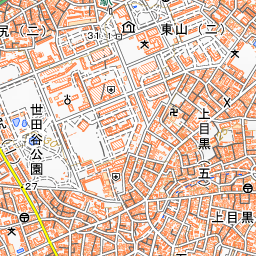
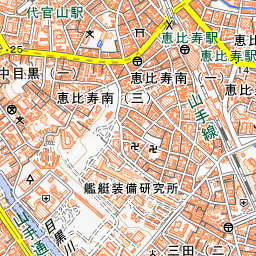
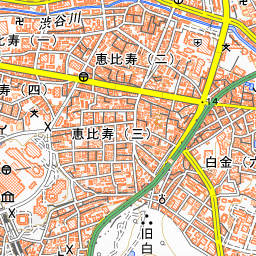
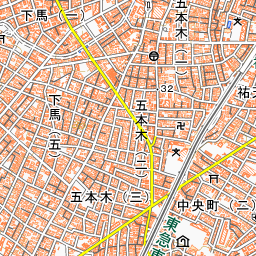
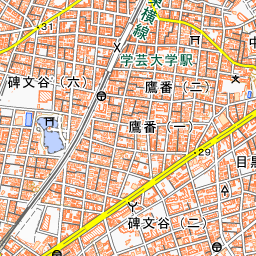
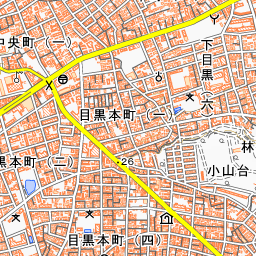
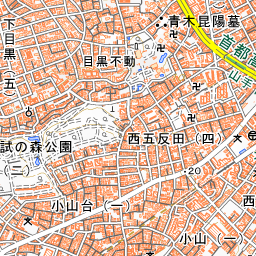
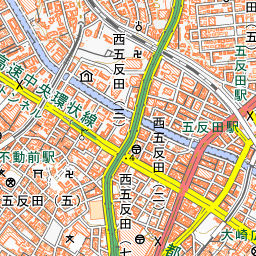
The Meguro River Cherry Tree Avenue stretches along both banks of the Meguro River and is one of Tokyo's foremost cherry blossom spots. Along the approximately 3.8 km between Ikejiri-Ohashi and Kamenoko Bridge in Shinagawa Ward, located beneath the Tokyu Meguro Line, around 800 Somei Yoshino cherry trees are planted.
The Meguro River was once a meandering stream. Works began in 1923 to provide flood control as well as create a canal capable of accommodating boat traffic; after a temporary suspension, the project was completed in 1937, making the river's flow nearly straight, as it is today.
The cherry trees are said to have originated in the early Showa period, when local residents planted them along both banks during the Meguro River renovation works. Through subsequent revetment construction, trees were felled and replanted, and the current trees are said to be the third generation. Up until the early 1960s, dye shops performed colorful yuzen-nagashi (washing freshly dyed fabrics) in this river.
One of the greatest attractions is the floral branches extending from both banks to cover the water's surface. However, when the intervals between trees are narrow, inadequate ventilation and sunlight can weaken their vitality. Therefore, Meguro Ward is sequentially carrying out work to restore tree vigor alongside pruning to cut back large branches.
Viewing and Experiencing Points
- View from Meguro Shinbashi Bridge: This bridge is reached by walking down Gonnosukezaka Slope from JR Meguro Station. Standing on the bridge, the Naka-Meguro Station direction in Meguro Ward is on your right, and the Shinagawa Ward area is on your left, with cherry blossoms spreading out in both directions.
- Differences between upstream and downstream: The upstream section from Ohashi to Hinodebashi Bridge is narrower, and the blossoms bloom as if covering the river. In the downstream section from Dengakubashi Bridge to Taikobashi Bridge, the river widens and walking paths are paved. Taikobashi Bridge has completely changed in atmosphere since the time of Hiroshige's ukiyo-e prints.
- The river surface after petals fall: The scenery when the cherry blossoms fall and dye the Meguro River pink is also charming. Even outside the cherry blossom season, the area is rich in greenery, and sweetfish (ayu) and kingfishers can be spotted in and along the river.
Walking Tips
The best time to view the cherry blossoms is usually from late March to early April. During this period, cherry blossom festivals and evening illuminations are held, attracting many visitors.
It takes about 10 minutes on foot from JR Meguro Station to around Meguro Shinbashi Bridge. According to Meguro Ward, one can view the cherry blossoms in relative leisure during the morning, and approaching from Ikejiri-Ohashi Station or Meguro Station often tends to be comparatively less crowded. The area along the river is a quiet residential neighborhood. During the flower-viewing season, visitors are encouraged to keep their voices down and refrain from littering.
The Meguro Parasitological Museum is located about 530 meters to the south in a straight line, and the Tokyo Photographic Art Museum is about 760 meters to the northeast.


Guides that include this spot (1)
Use asobot while you walk
- See where you are on the map and find spots nearby
- Listen to the guide's audio in course order, one after another (with subtitles)
- Walk to the next spot while following the map
Open on your phone
Scan to open this spot in asobot on your phone.