 ✨ AI Generated
Ushitora-jinja Shrine
Japanese: 艮神社
Onomichi, Hiroshima
This information was written by AI and may contain mistakes. Please check official sources for opening hours, fees, and other details before you go.
Found a mistake? Let us know with “✏️ Something's wrong” on this spot's screen in asobot →
🎧 Audio guide(1:05)
In short
Ushitora-jinja Shrine is located at the foot of Mt. Senkoji. It is said to have been founded in 806, and is said to be the oldest shrine in the old city area of Onomichi. Several large camphor trees tower within the grounds, and the Mt. Senkoji Ropeway passes directly above the grounds.
- Giant Camphor Trees: The largest is said to be an estimated 900 years old, with a trunk circumference of approximately 7 meters. This grove of camphor trees was designated as a Natural Monument of Hiroshima Prefecture in 1988
- The Ropeway Overhead: The sight of the gondolas slowly passing over the main shrine building and the giant trees is a scene unique to the sloped town of Onomichi
- Visiting Movie Locations: Scenes from director Obayashi Nobuhiko's films The Girl Who Leapt Through Time and Futari were shot on these grounds, and the shrine also became a setting for the anime Kamichu!
History and Highlights
Ushitora-jinja Shrine is located at the foot of Mt. Senkoji, right next to the foot station of the Mt. Senkoji Ropeway. It is said to have been founded in 806, early in the Heian period, and is said to be the oldest shrine in the old city area of Onomichi. The "Ushitora" in the shrine's name comes from an ancient way of referring to directions and means northeast.
The shrine enshrines four deities: Izanagi-no-Mikoto, Amaterasu Omikami, Susanoo-no-Mikoto, and Kibitsuhiko-no-Mikoto. Several large camphor trees tower within the grounds, with the largest estimated to be around 900 years old, having a trunk circumference of approximately 7 meters. This grove of camphor trees was designated as a Natural Monument of Hiroshima Prefecture in 1988.
Ushitora-jinja Shrine is also known as a film setting. Scenes from director Obayashi Nobuhiko's films The Girl Who Leapt Through Time and Futari were shot on these grounds, and the shrine also served as a model for the anime Kamichu!
Viewing and Experience Highlights
- Giant Camphor Trees: The massive camphor trees spreading their branches across the grounds are a major highlight of the shrine. Seeing the thickness of the trunks up close conveys the sheer vitality of trees that have lived through centuries.
- The Ropeway Overhead: The Mt. Senkoji Ropeway passes directly above the shrine grounds. The sight of the gondolas slowly passing overhead, right above the main shrine building and the giant trees, is a scene unique to the sloped town of Onomichi.
- Visiting Movie Locations: Exploring the shrine grounds while recalling scenes from The Girl Who Leapt Through Time and Futari is another enjoyable way to experience the area.
Walking Tips
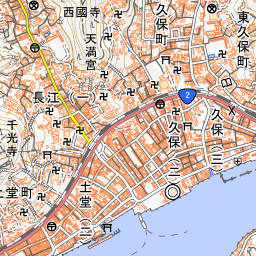
Located just about a one-minute walk from the Mt. Senkoji Ropeway foot station, it is an easy place to stop by before or after taking the ropeway. If you take the ropeway up the mountain, it leads to Senko-ji Park and Senko-ji Temple, while walking down leads to Neko-no-Hosomichi Alley. The Tennei-ji Temple Three-storied Pagoda is also nearby, with detailed information available at each respective spot guide.
Use asobot while you walk
- See where you are on the map and find spots nearby
- Listen to the guide's audio in course order, one after another (with subtitles)
- Walk to the next spot while following the map
Open on your phone
Scan to open this spot in asobot on your phone.