 ✨ AI Generated
Kyoto Station Building
Japanese: 京都駅ビル
Shimogyo Ward, Kyoto
This information was written by AI and may contain mistakes. Please check official sources for opening hours, fees, and other details before you go.
Found a mistake? Let us know with “✏️ Something's wrong” on this spot's screen in asobot →
🎧 Audio guide(1:08)
In short
Kyoto Station Building is a terminal building standing at the gateway to Kyoto, equipped with a train station, hotel, commercial facilities, cultural venues, and plazas. The current Kyoto Station Building is the fourth-generation station building, opening in 1997 (Heisei 9). Its design, by architect Hara Hiroshi, was selected through an international competition and incorporates the grid layout of Heian-kyo.
- The Grand Staircase: With 171 steps and a height difference of 35 meters, the Grand Staircase is a symbol of the station building. At night, seasonal illuminations created by approximately 15,000 LEDs illuminate the entire expanse of the stairs
- Skyway: A 185-meter-long aerial corridor on the 10th floor. Standing 45 meters high, it overlooks the cityscape to the north of Kyoto
- Museum of Stones: In the station plaza on the north side, 288 varieties of stones gathered from 35 countries are displayed, and 73 of these varieties were used in the construction of the station building
History and Highlights
Kyoto Station Building is a terminal building standing at the gateway to Kyoto, equipped with a train station, hotel, commercial facilities, cultural venues, and plazas. Kyoto Station originally opened in 1877 (Meiji 10) with its first-generation red-brick station building, followed by a second-generation building in 1914 (Taisho 3), and a third-generation building constructed after World War II. The current Kyoto Station Building is the fourth generation, opening in 1997 (Heisei 9).
The rebuilding of the station was positioned as one of the commemorative projects for the 1,200th anniversary of the founding of Heian-kyo, and the design by architect Hara Hiroshi was selected through an international competition. Based on the concept that "Kyoto is a gateway to history," the design incorporates the grid layout of Heian-kyo and places symbolic gateway "gates" along Karasuma-dori Street and Muromachi-dori Street. Conceived with the central concourse as a valley, the space extends outward to the east and west like terraced hills, while the center forms an atrium covered in glass and metal. Featuring 16 floors above ground and 3 basement floors, it is one of the largest station buildings in the country.
Viewing and Experience Points
- The Grand Staircase and Muromachi-koji Square: With 171 steps and a height difference of 35 meters, the Grand Staircase is a symbol of the Kyoto Station Building. At Muromachi-koji Square on the 4th floor, where the Grand Staircase is located, events such as concerts are held with the staircase serving as spectator seating. At night, seasonal illuminations created by approximately 15,000 LEDs illuminate the entire expanse of the stairs.
- Skyway: Located on the 10th floor, this is a 185-meter-long aerial corridor connecting the west and east sides of the station building. Standing 45 meters above the ground, it overlooks the cityscape to the north of Kyoto. At night, visitors can also enjoy an illumination titled "STAR BRIDGE."
- Karasuma-koji Square and East Square: Located on the east side of the 4th floor, Karasuma-koji Square occupies a position corresponding to Karasuma-koji of Heian-kyo (present-day Karasuma-dori Street) and is a photo spot that offers a clear view of Nidec Kyoto Tower. On the 7th floor's East Square, there is a street piano that visitors can play while taking in the outside scenery.
Touring Tips
Connected to Kyoto Station on the JR, Kintetsu, and Karasuma Subway lines, it is an easy spot to drop by while waiting for a train. In the station plaza on the north side, there is the "Museum of Stones," where 288 varieties of stones gathered from 35 countries are displayed across six gazebos. Among them, 73 varieties were used in the construction of the station building, making it enjoyable to search for them on the pillars and walls. Nidec Kyoto Tower stands about 300 meters to the north, and continuing further north leads to Higashi Hongan-ji Temple.
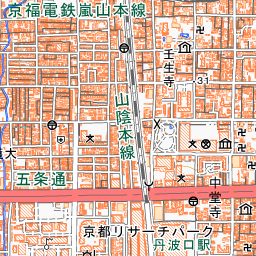
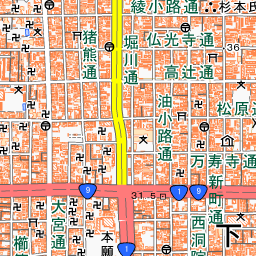


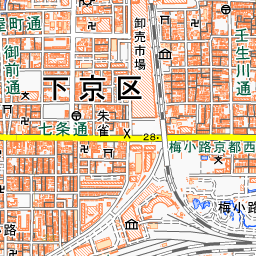
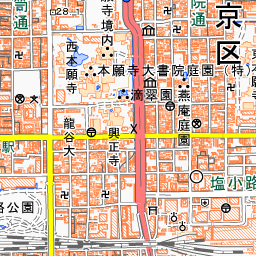
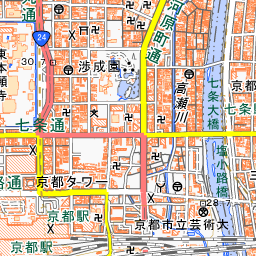
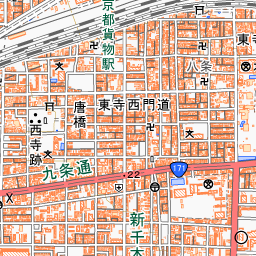
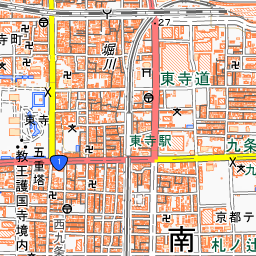
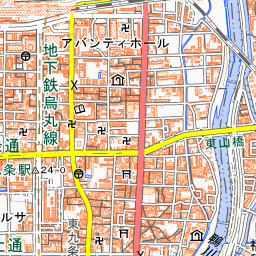
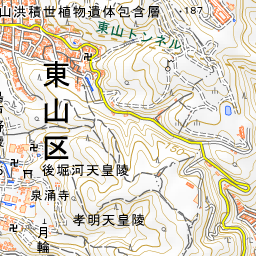
Spot location © OpenStreetMap contributors (ODbL)
Open in Google MapsGuides that include this spot (1)
Use asobot while you walk
- See where you are on the map and find spots nearby
- Listen to the guide's audio in course order, one after another (with subtitles)
- Walk to the next spot while following the map
Open on your phone
Scan to open this spot in asobot on your phone.