 ✨ AI Generated
Sakai City Museum
Japanese: 堺市博物館
Sakai Ward, Sakai, Osaka
This information was written by AI and may contain mistakes. Please check official sources for opening hours, fees, and other details before you go.
Found a mistake? Let us know with “✏️ Something's wrong” on this spot's screen in asobot →
🎧 Audio guide(1:10)
In short
A museum that opened in 1980 as a commemorative project marking the 90th anniversary of Sakai's incorporation as a city. It collects, preserves, and exhibits numerous materials related to Sakai's history, fine arts, archaeology, and folklore. It is located inside Daisen Park, nearly at the center of the Mozu Kofun Group, and the theme of its permanent exhibition is "The Mozu Kofun Group and the History and Culture of Sakai."
- Exhibits from the Kofun Period: Sue ware designated as Important Cultural Properties, excavated from the Suemura Kiln Sites in Osaka Prefecture, is displayed along with house-shaped and enclosure-shaped haniwa excavated from Gobyoyama Kofun Burial Mound. Illustrations of the stone chamber and stone coffin of Emperor Nintoku's Mausoleum, as well as excavated haniwa, are also introduced through replicas
- Exhibits on Medieval Sakai: Through models of Nanban ships (carracks), Sakai matchlock guns (hinawaju), and materials illustrating the process of making gun barrels, visitors can learn about medieval Sakai as it flourished through trade and firearms
- Mozu Kofun Group Theater: VR works using high-definition CG are shown on a large screen of about 200 inches. With imagery that feels like an aerial stroll above the Mozu Kofun Group, visitors can experience the grandeur of the tumuli group
History and Highlights
Sakai City Museum opened in 1980 as a commemorative project marking the 90th anniversary of Sakai's incorporation as a city. It collects, preserves, and exhibits numerous materials related to Sakai's history, fine arts, archaeology, and folklore. It is located inside Daisen Park, nearly at the center of the Mozu Kofun Group, an area steeped in the romance of ancient history.
The theme of the permanent exhibition is "The Mozu Kofun Group and the History and Culture of Sakai." The Mozu Kofun Group, which once comprised over 100 large and small tumuli, contains many giant burial mounds represented by the Nintoku-ryo Kofun. Sakai eventually became a port of departure and arrival for kenminsen (tribute trade ships to Ming China) due to the effects of the Onin War, flourishing as a free autonomous trading city led by influential merchants known as egoshu. A Christian missionary even described Sakai as "the wealthiest port in Japan," and against the backdrop of this wealth, Sen no Rikyu, one of Sakai's merchants, perfected the tea ceremony (chanoyu). Although the town was completely burned down in the aftermath of the Siege of Osaka (Summer Campaign), it was reorganized into a grid pattern by the Edo shogunate, and gun manufacturing techniques were passed down into the making of knives today, beginning with tobacco-cutting knives (tabako-bocho). The exhibits trace Sakai's historical path in order: Ancient times, the Middle Ages, Early Modern and Modern eras, and Sakai's religious culture.
Exhibition and Experience Highlights
- Exhibits from the Kofun Period: Features Sue ware designated as Important Cultural Properties excavated from the Suemura Kiln Sites in Osaka Prefecture, as well as house-shaped and enclosure-shaped haniwa (kakoigata haniwa) excavated from Gobyoyama Kofun Burial Mound. Illustrations of the stone chamber and stone coffin of Emperor Nintoku's Mausoleum, as well as excavated haniwa, are also introduced through replicas.
- Exhibits on Medieval Sakai: Through models of Nanban ships (carracks), Sakai matchlock guns (hinawaju), and materials illustrating the process of forging gun barrels, visitors can learn about medieval Sakai as it flourished through trade and firearm production.
- Mozu Kofun Group Theater: Screenings of VR works using high-definition CG are shown on a large screen of about 200 inches. With imagery that feels like an aerial stroll above the Mozu Kofun Group, visitors can experience the grandeur of the tumuli group, including the Emperor Nintoku Tumulus, one of the world's largest burial mounds.
Walking Tips
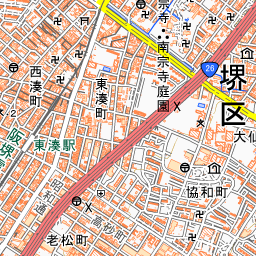
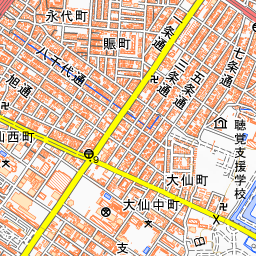
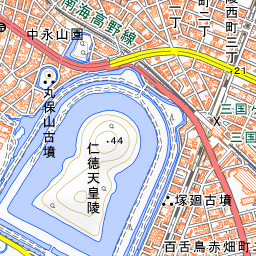
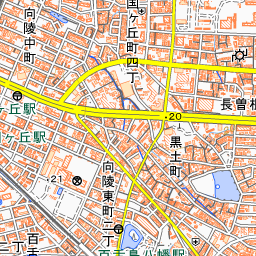
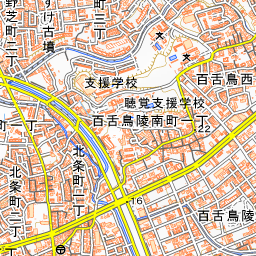
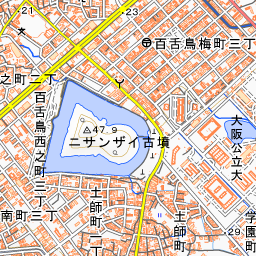
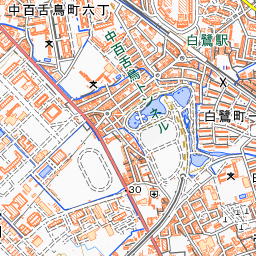
The museum is about 500 meters from Mozu Station on the JR Hanwa Line. On the museum grounds, there are two tea houses designated as national Registered Tangible Cultural Properties, where you can enjoy a bowl of matcha after viewing the exhibitions. In 1988, the former Jodo-ji Temple Nine-story Pagoda, an Important Cultural Property, was also relocated to the museum grounds. Daisen Kofun Burial Mound (Emperor Nintoku Tumulus) spreads about 560 meters to the north, and Daisen Park Japanese Garden is located about 390 meters to the west. Gaining an overview of the burial mounds at the museum before taking a walk around Daisen Park and the tumuli will help you clearly understand how the attractions connect.
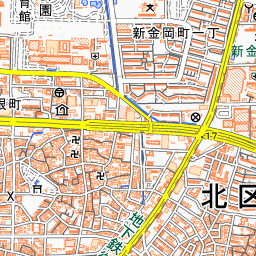
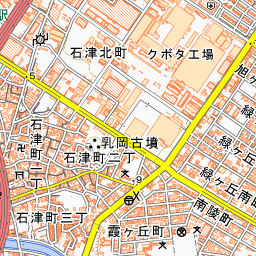
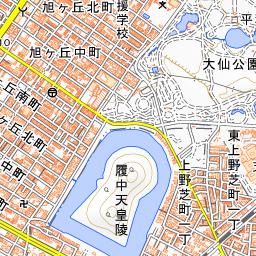
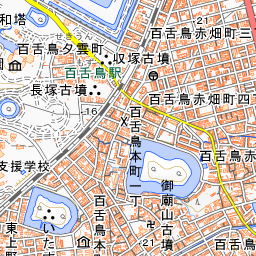
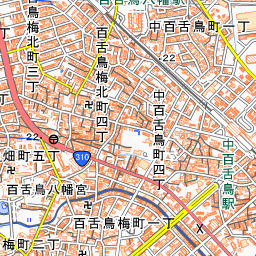
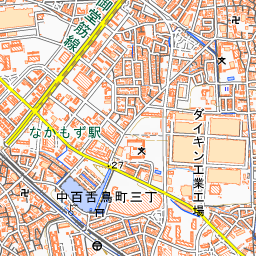
Spot location © OpenStreetMap contributors (ODbL)
Open in Google MapsGuides that include this spot (1)
Use asobot while you walk
- See where you are on the map and find spots nearby
- Listen to the guide's audio in course order, one after another (with subtitles)
- Walk to the next spot while following the map
Open on your phone
Scan to open this spot in asobot on your phone.