 ✨ AI Generated
Mizumoto Park
Japanese: 水元公園
Katsushika City, Tokyo
This information was written by AI and may contain mistakes. Please check official sources for opening hours, fees, and other details before you go.
Found a mistake? Let us know with “✏️ Something's wrong” on this spot's screen in asobot →
🎧 Audio guide(1:05)
In short
Mizumoto Park is a metropolitan park built along a pond called Koaidame. Waterways drawn from Koaidame run through the park, and it is considered the only park in Tokyo with riverside district (suigo) scenery. Opened in 1965, it covers an area of about 96 hectares spanning from Katsushika City to Misato City in Saitama Prefecture.
- Iris Garden (Hanashobu-en): The largest iris field (shobuda) in Tokyo, planted with approximately 200,000 Japanese irises of about 100 varieties.
- Metasequoia Forest: Known as a "living fossil," about 1,500 of these trees form the largest forest of its kind in a metropolitan park.
- Koaidame Waterfront: A pond created during the Edo period as the starting point for irrigation water to nourish fields, with Misato Park in Saitama Prefecture on the opposite shore.
History and Highlights
Mizumoto Park is a park built along Koaidame. Large and small waterways drawn from Koaidame run through the park, creating the only riverside district scenery in Tokyo. The park extends from Katsushika City to Misato City in Saitama Prefecture, with an open area of about 96 hectares. It opened in 1965, and until 1975, this area was designated as Tokyo Metropolitan Edogawa Suigo Natural Park.
Koaidame is a pond created during the Edo period. According to documents from Edogawa City, prompted by flood damage in 1728, the shogunate utilized the former riverbed of the Furutone River (Furutonegawa) to build a reservoir for irrigation water. It is said to have been established in 1729 as the starting point for irrigation channels that nourished the fields in this area. The documents state that it was built by Izawa Yasobee under orders from the eighth shogun, Tokugawa Yoshimune. In 1889, because it was the water source of the irrigation channel, the local name became "Mizumoto Village."
Inside the park, trees that thrive in wet areas, such as poplar avenues, a metasequoia forest, and alders, flourish. Many aquatic plants, including Japanese irises, water lilies, and kohone, can also be seen.
Tips for Viewing and Experiencing
- Iris Garden: Approximately 200,000 Japanese irises across roughly 100 varieties are planted here, making it the largest in Tokyo. During the flower season, an iris festival is also held.
- Metasequoia Forest: There are approximately 1,500 metasequoias, known as "living fossils." It is the largest forest of its kind in a metropolitan park.
- Aquatic Plants and Wild Birds: Mizube no Sato is an area for the conservation and display of aquatic plants, and it also features a Katsushika City facility for breeding and exhibiting Edo goldfish. Mizumoto Park is considered the only native habitat in Tokyo for both the prickly water lily (onibasu) and the yellow floating heart (asaza). There are 8 observation huts in the bird sanctuary.
Strolling Tips
From Kanamachi Station on the JR Joban Line and other points, take a Keisei Bus, get off at "Mizumoto Park," and walk 7 minutes. The Central Plaza covers about 10 hectares and consists entirely of gently rolling grassy hills.
Across Koaidame on the opposite bank lies Misato Park in Misato City, Saitama Prefecture. Parks continue on both sides as if surrounding the pond. The embankment of Koaidame is the Mizumoto Sakura-tsutsumi, featuring cherry blossom trees that stretch for 3.5 kilometers.
Spanning the Oba River (Obagawa), which flows through the park, is the Komonbashi Bridge, a brick arch bridge completed in 1909. It is the only brick arch bridge in Tokyo's 23 wards. It is said that the bridge has different numbers of arches—3 on the upstream side and 5 on the downstream side—in order to prevent the backflow of water.
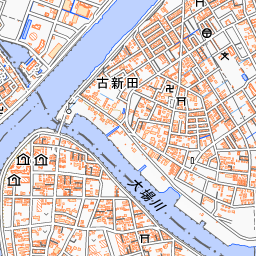
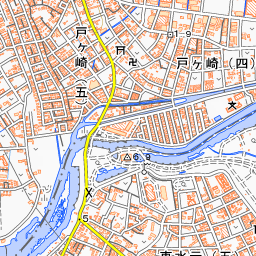
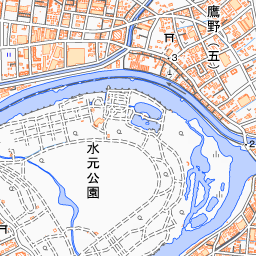
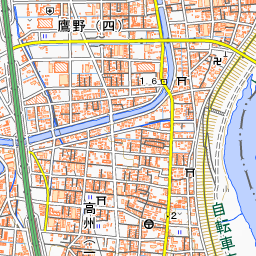
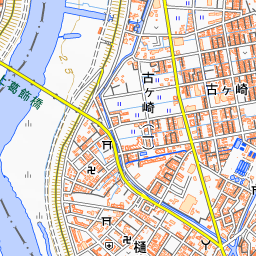
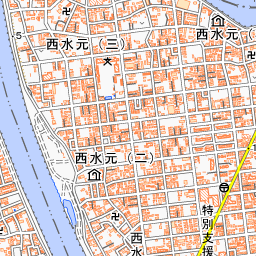
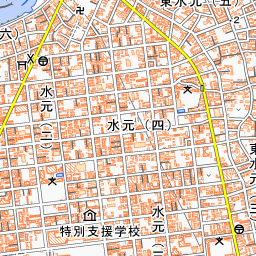
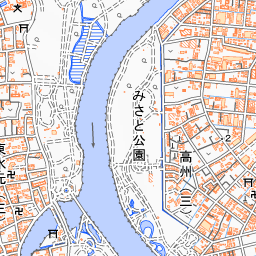

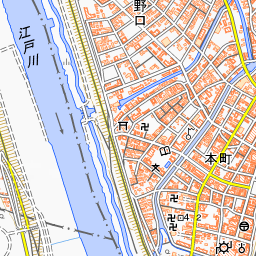
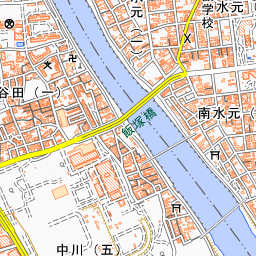
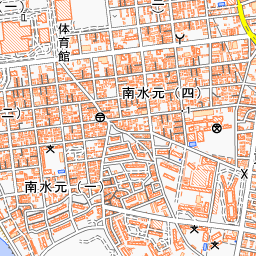
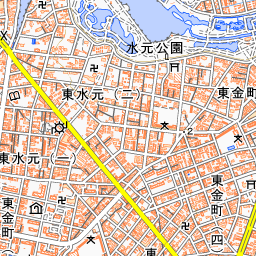

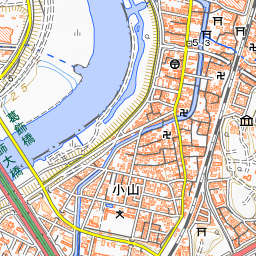
Spot location © OpenStreetMap contributors (ODbL)
Open in Google MapsUse asobot while you walk
- See where you are on the map and find spots nearby
- Listen to the guide's audio in course order, one after another (with subtitles)
- Walk to the next spot while following the map
Open on your phone
Scan to open this spot in asobot on your phone.