 ✨ AI Generated
Haze Nisanzai Kofun Burial Mound
Japanese: 土師ニサンザイ古墳
Kita Ward, Sakai, Osaka
This information was written by AI and may contain mistakes. Please check official sources for opening hours, fees, and other details before you go.
Found a mistake? Let us know with “✏️ Something's wrong” on this spot's screen in asobot →
🎧 Audio guide(1:04)
In short
A large keyhole-shaped burial mound with its front section facing west, located at the southeastern edge of the Mozu Kofun Group, and one of the component assets of the "Mozu-Furuichi Kofun Group" World Heritage site. The mound has an overall length of about 300 meters, making it the 7th largest in Japan and the 3rd largest in the Mozu Kofun Group. It is thought to have been constructed in the late 5th century, and the mound is designated and managed by the Imperial Household Agency as an imperial mausoleum reference site, treated as the empty tomb of Emperor Hanzei.
- Remains of the Largest Wooden Bridge in Japan from the Kofun Period: Excavations conducted from 2012 to 2015 (Heisei 24 to 27) led researchers to believe that a wooden bridge about 12 meters wide and over 45 meters long once spanned from the slope of the circular rear section across the moat
- Double Moats: The burial mound is encircled by double moats, and the inner moat still remains as a pond today. The outer moat was identified during a 1976 (Showa 51) survey and is now preserved buried underground
- Excavated Artifacts Telling of Rituals: Large Sue ware storage jars were installed on the upper surface of the tsukuridashi (square platforms). From the moat, wooden artifacts shaped like parasols and other items have been unearthed
History and Highlights
Haze Nisanzai Kofun Burial Mound is a large keyhole-shaped burial mound with its rectangular front facing west, located at the southeastern edge of the Mozu Kofun Group. In guides published by Sakai City, it is introduced under the name Nisanzai Kofun. It is one of the component assets of the "Mozu-Furuichi Kofun Group" World Heritage site, inscribed in 2019. It is thought to have been constructed in the late 5th century.
The mound has an overall length of about 300 meters and the circular rear section has a diameter of about 170 meters, making it the 7th largest in Japan and the 3rd largest in the Mozu Kofun Group. Built in three tiers, it features tsukuridashi (square platforms) on both sides of the constricted section and retains its original form well. The substantial width of the front section and the fact that the front is higher than the circular rear section indicate a newer stylistic trend characterized by a developed front portion.
The mound is designated and managed by the Imperial Household Agency as an imperial mausoleum reference site, treated as the empty tomb of Emperor Hanzei. Because it is nearly four times the size of Hanzei-tenno-ryo Kofun Burial Mound (Tadeiyama Kofun Burial Mound) and was constructed around the same period, there is also a theory that this was the actual burial mound of Emperor Hanzei.
Viewing and Experience Points
- Remains of the Largest Wooden Bridge in Japan from the Kofun Period: Excavations conducted from 2012 to 2015 led researchers to believe that a wooden bridge measuring about 12 meters wide and over 45 meters long once spanned from the slope of the circular rear section across the moat. This is the largest wooden bridge in Japan from the Kofun period. It is estimated to have been used during the construction of the mound or for funeral rituals, and dismantled after a short period.
- Double Moats: The burial mound is encircled by double moats, and the inner moat still remains as a pond today. The outer moat was identified during a 1976 survey and is preserved buried underground. The outward bulge in the center of the moat bank at the front section is a remnant of a sluice gate from the period when moat water was used for agricultural fields.
- Excavated Artifacts Telling of Ancient Rituals: Large Sue ware storage jars were installed on the upper surface of the tsukuridashi. From the moat, wooden artifacts shaped like parasols and other items have been unearthed.
Walking Tips
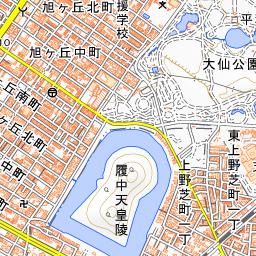
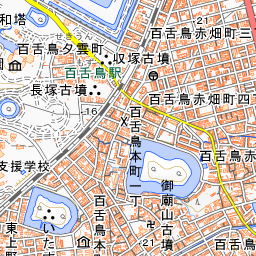
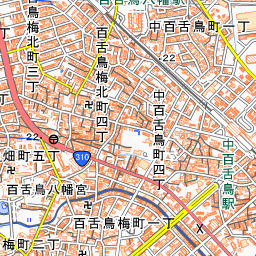
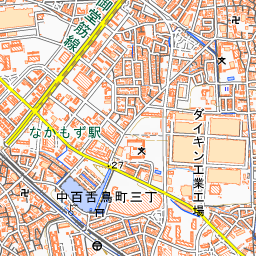
Adjacent to the burial mound is Goryoyama Park, where a walking course laid out along the moat allows visitors to view the mound from various angles. Visitors can also enjoy bollards shaped like haniwa clay figures and a park name sign shaped like a magatama comma-shaped bead. The park is approximately 1.5 kilometers southwest of Nakamozu Station on the Nankai Koya Line. Walking approximately 1.1 kilometers to the northwest leads to Gobyoyama Kofun Burial Mound.
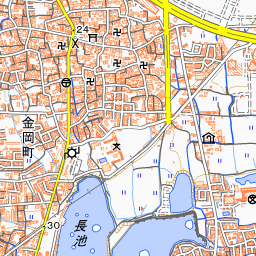
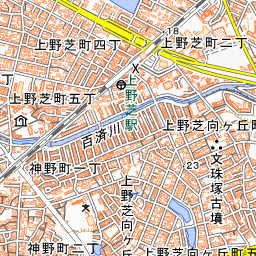
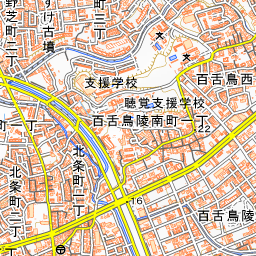
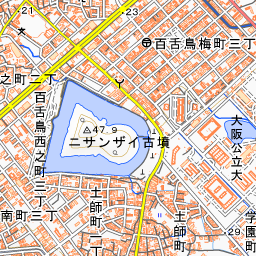
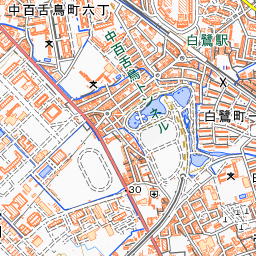
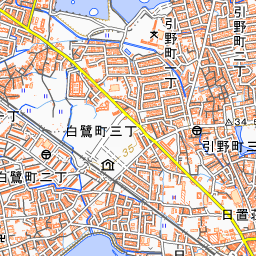
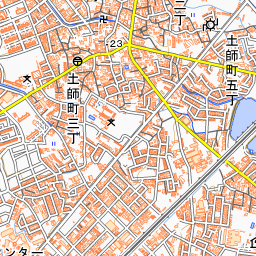
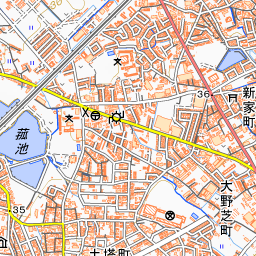
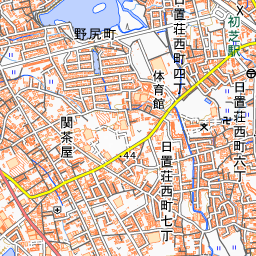
Spot location © OpenStreetMap contributors (ODbL)
Open in Google MapsGuides that include this spot (1)
Use asobot while you walk
- See where you are on the map and find spots nearby
- Listen to the guide's audio in course order, one after another (with subtitles)
- Walk to the next spot while following the map
Open on your phone
Scan to open this spot in asobot on your phone.