 ✨ AI Generated
Minoosan Ryuan-ji Temple
Japanese: 箕面山 瀧安寺
Minoh, Osaka
This information was written by AI and may contain mistakes. Please check official sources for opening hours, fees, and other details before you go.
Found a mistake? Let us know with “✏️ Something's wrong” on this spot's screen in asobot →
🎧 Audio guide(1:11)
In short
A temple of the Honzan Shugen sect located within Meiji no Mori Minoo Quasi-National Park. It is said that the temple began in the year 658, when En no Gyoja underwent ascetic training at the Minoo waterfall, attained enlightenment through the guidance of Benzaiten, enshrined a statue of Benzaiten, and named it Minoo-dera Temple. The principal image of Benzaiten is said to be Japan's first and oldest, and is counted among the Four Great Benzaiten of Japan.
- "Minoo-tomi," the Birthplace of the Lottery: The temple is regarded as the birthplace of today's lottery, and the scene of Minoo-tomi is also depicted in the Edo-period work Settsu Meisho Zue. It is still held every year on October 10, and the "tomibako" (lottery box) used for the drawing is a Designated Cultural Property of Osaka Prefecture
- Main Hall, Sanmon Gate, and Zuiun-kyo Bridge: The Bentendo, which serves as the main hall, is an early Edo-period structure, and the Sanmon Gate was relocated from the Kyoto Imperial Palace in the 6th year of the Bunka era (1809). Spanning the Minoo River is the vermilion arched Zuiun-kyo Bridge, and the Ho-o-kaku, designed by Takeda Goichi, is a Nationally Registered Tangible Cultural Property
- The Yamabushi Saito Ogomaku Ritual: Every year on April 15, July 7, and November 7, yamabushi (mountain ascetics) gather from across the Kansai region to perform the Saito Ogomaku
History and Highlights
Minoosan Ryuan-ji Temple is a temple of the Honzan Shugen sect located within Meiji no Mori Minoo Quasi-National Park. According to the temple's origins, in the year 658, En no Gyoja underwent ascetic training at the Minoo waterfall and attained enlightenment through the guidance of Benzaiten. Out of gratitude, En no Gyoja is said to have carved a statue of Benzaiten himself, enshrined it beside the falls, and named it Minoo-dera Temple, which marks the temple's beginnings. Later, after receiving an imperial plaque from Emperor Go-Daigo, the temple was renamed Ryuan-ji Temple.
Mount Minoo flourished as a mountain training ground entered by many ascetic practitioners, having more than eighty halls and buildings at its peak. Renowned religious figures said to have trained here include Gyoki from the Nara period, Kukai, Enchin, as well as Honen and Nichiren from the Kamakura period, and Rennyo. Since the Meiji period, the temple grounds have been reduced to this area alone, and souvenir shops and eateries now line the former sites of the halls.
The principal image of Benzaiten is said to be Japan's first and oldest, and is counted among the Four Great Benzaiten of Japan. People praying for increased financial fortune and artistic advancement visit throughout the year.
Sights and Experiences
- "Minoo-tomi," the Birthplace of the Lottery: Ryuan-ji Temple is regarded as the birthplace of today's lottery, and the scene of Minoo-tomi is depicted in the Edo-period work Settsu Meisho Zue. Today, it is still held every year on October 10 as the Benzaiten Autumn Festival "Minoo-tomi," where winners are granted special traditional protective amulets. The "tomibako" (lottery box) used for the drawing is a Designated Cultural Property of Osaka Prefecture.
- Main Hall, Sanmon Gate, and Zuiun-kyo Bridge: The Bentendo, which serves as the main hall, is an early Edo-period structure built in a Shinto style consisting of a haiden (worship hall) and a shinden (sanctuary). The Sanmon Gate was relocated from the Kyoto Imperial Palace in the 6th year of the Bunka era (1809). Spanning the Minoo River is the vermilion arched Zuiun-kyo Bridge, and the Ho-o-kaku, designed by architect Takeda Goichi, is a Nationally Registered Tangible Cultural Property.
- The Yamabushi Saito Ogomaku Ritual: Every year on April 15, July 7, and November 7, yamabushi (mountain ascetics) gather from across the Kansai region to perform the Saito Ogomaku (open-air sacred fire ritual). On these days, a grand procession of yamabushi marches from Hankyu Minoo Station to the temple, and the flames of the goma fire blaze amid the sounding of conch shell horns.
Strolling Tips
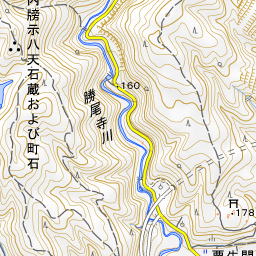
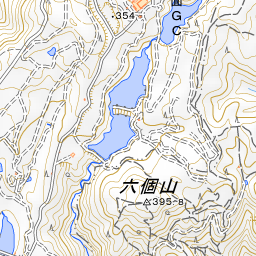
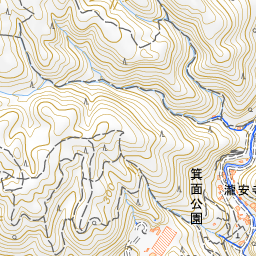
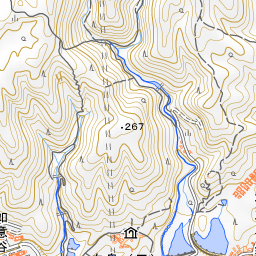
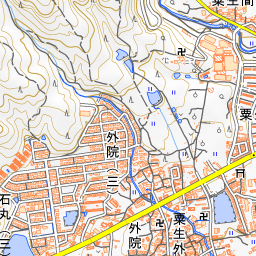
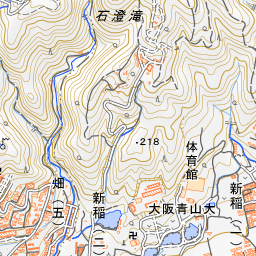
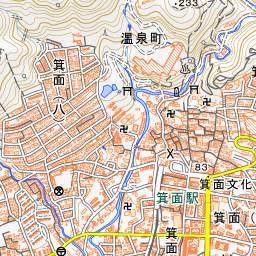
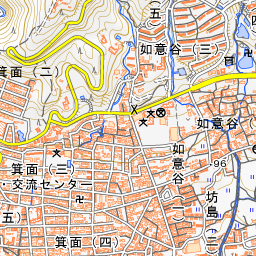
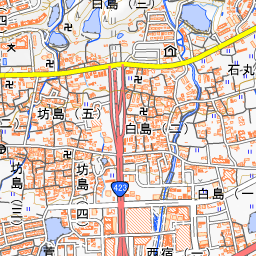
It is about a 15-minute walk north from Hankyu Minoo Station. Because general vehicles cannot travel on Takimichi Path, the temple is visited on foot. Minoo Falls, located about 1.3 km in a straight line to the north, is considered sacred ground where En no Gyoja attained enlightenment, and it remained part of the temple precincts until the Edo period. About 610 meters to the south-southwest lies Shotengu Saiko-ji Temple, which also has ties to En no Gyoja.
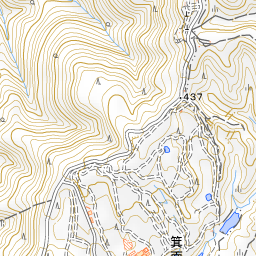
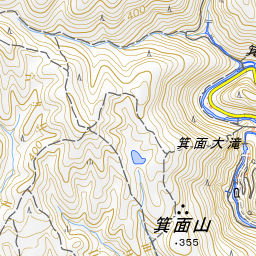
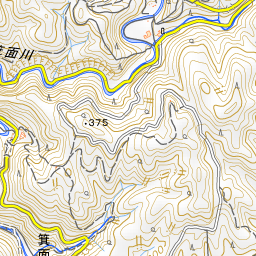
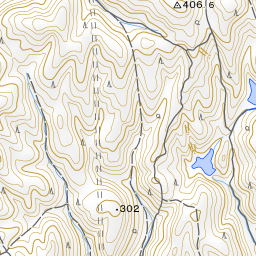


Spot location © OpenStreetMap contributors (ODbL)
Open in Google MapsGuides that include this spot (1)
Use asobot while you walk
- See where you are on the map and find spots nearby
- Listen to the guide's audio in course order, one after another (with subtitles)
- Walk to the next spot while following the map
Open on your phone
Scan to open this spot in asobot on your phone.