 ✨ AI Generated
Ini Rice Terraces
Japanese: 井仁の棚田
Akiota Town, Hiroshima
This information was written by AI and may contain mistakes. Please check official sources for opening hours, fees, and other details before you go.
Found a mistake? Let us know with “✏️ Something's wrong” on this spot's screen in asobot →
🎧 Audio guide(1:06)
In short
The Ini Rice Terraces are terraced paddies in the Ini district of Akiota Town, where 324 rice paddies have been built on a mortar-shaped slope surrounded by mountains. They are the only terraces in Hiroshima Prefecture selected by the Ministry of Agriculture, Forestry and Fisheries as one of the "Top 100 Terraced Rice Paddies of Japan," and have also been designated as a "Connecting Rice Terraces Heritage" site.
- Stonework using mountain castle techniques: The oldest stone walls are believed to date back to the Sengoku period, and techniques for building mountain castles were used in the stonework
- Colors of the terraces that change with the seasons: In spring, the water-filled paddies reflect the sky, and in summer, the thriving rice plants look like a green patchwork. In autumn, you can enjoy golden scenery
- Rice planting and harvesting experiences: Special events are held in spring and autumn, allowing visitors to take part in rice planting and harvesting
History and Highlights
The Ini Rice Terraces are terraced paddies located in the Ini district of Nakatsutsuga in Akiota Town. Built on a mortar-shaped slope surrounded by mountains, the site consists of 324 rice paddies. It is the only terrace site in Hiroshima Prefecture selected by the Ministry of Agriculture, Forestry and Fisheries as one of the "Top 100 Terraced Rice Paddies of Japan," and has also been designated as a "Connecting Rice Terraces Heritage" site.
Among the stone walls supporting the paddies, the oldest masonry is believed to date back to the Sengoku period, utilizing stonework techniques developed for building mountain castles. It is also said that local residents who took part in Toyotomi Hideyoshi's invasions of Korea brought back castle-building techniques to construct the terraces. Records from 1638 (Kan'ei 15) in the early Edo period document an area of cultivated land roughly equal to that of today, indicating that the terraces had already reached their present scale by that time. The paddies are irrigated by water flowing down from the surrounding rugged mountains.
Although the number of farming households has decreased, local residents joined together in the 1990s to work on the conservation of the terraces. Hiroshima University students also support preservation activities by assisting with farm work and holding rice terrace workshops alongside residents.
Viewing and Experience Tips
- Seasonal Colors of the Terraces: In spring, the water-filled paddies reflect the sky, while in summer, the thriving rice plants create a patchwork of lush green. In autumn, visitors can enjoy golden scenery.
- Rice Planting and Harvesting Experiences: Special events are held in spring and autumn, allowing visitors to participate in rice planting and harvesting. These events also serve as an opportunity for local farmers to pass down traditional methods of planting, harvesting, and drying rice to younger generations.
- Rice Grown in the Terraces: Taking advantage of the fine water and the temperature variations between day and night, a brand of rice called Tanada-mai (terrace rice) is cultivated in the terraces.
Walking Tips
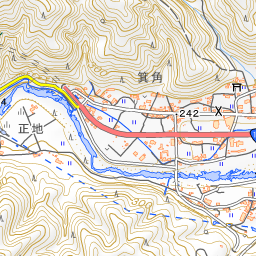
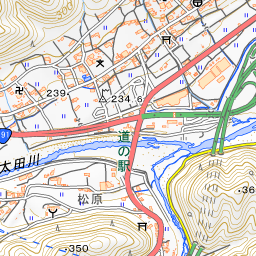
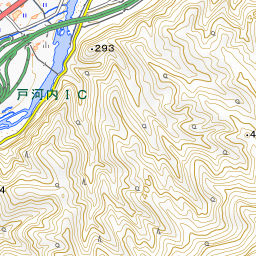
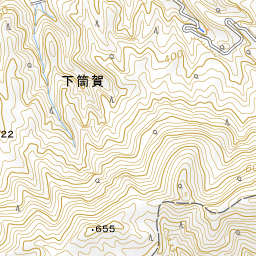
Because there is no direct bus to the Ini Rice Terraces, visiting by car is recommended. When using buses, take a bus bound for Sandankyo Gorge from Hiroshima, get off at the Togouchi IC Bus Center, and take a taxi for about 10 minutes. The road leading from the Togouchi Interchange toward the rice terraces is approximately 1.5 lanes wide with a series of S-curves, reaching the Ini Tunnel at the top of the climb. Along the way, you can view the ridgeline of the Nishi-Chugoku Mountains. Please drive carefully and watch for oncoming traffic. The Special Place of Scenic Beauty, Sandankyo Gorge, is located about 11 kilometers to the west.
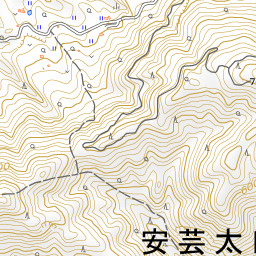
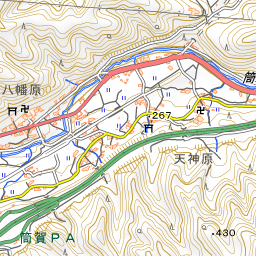
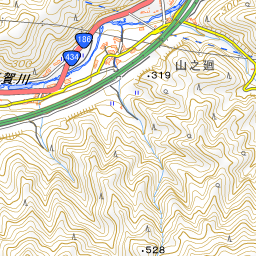
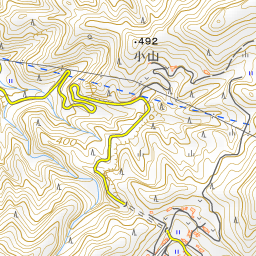
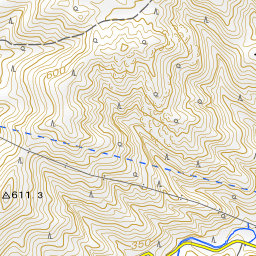
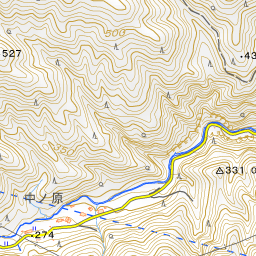
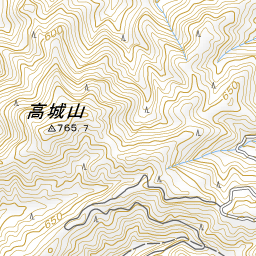
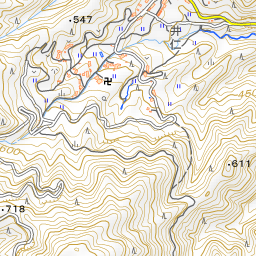
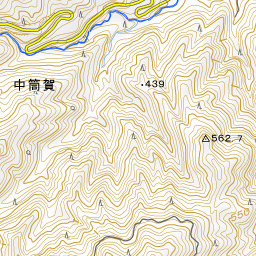
Spot location © OpenStreetMap contributors (ODbL)
Open in Google MapsGuides that include this spot (1)
Use asobot while you walk
- See where you are on the map and find spots nearby
- Listen to the guide's audio in course order, one after another (with subtitles)
- Walk to the next spot while following the map
Open on your phone
Scan to open this spot in asobot on your phone.