 ✨ AI Generated
Higo Hosokawa Garden
Japanese: 肥後細川庭園
Bunkyo City, Tokyo
This information was written by AI and may contain mistakes. Please check official sources for opening hours, fees, and other details before you go.
Found a mistake? Let us know with “✏️ Something's wrong” on this spot's screen in asobot →
🎧 Audio guide(1:01)
In short
Higo Hosokawa Garden is a circuit-style garden around a pond (chisen kaiyushiki teien), created directly on the former site of the garden of the shimoyashiki (suburban residence) of the Hosokawa clan, lords of the Kumamoto Domain. Utilizing the slopes where the Mejirodai plateau drops down to the Kanda River, it creates landscapes rich in varied topography. In the Meiji period, it became the main residence of the Hosokawa family, and after being known as Shin-Edogawa Park, it was renamed to its current name in 2017 (Heisei 29).
- Large Pond and Mountain Paths: At the center is a large pond fed by spring water from the base of the cliff; climbing the wooded mountain paths allows views of the pond through the trees.
- Shoseikaku: The building located at the entrance dates from the Taisho period and was once a study hall for the Hosokawa family.
- Seasonal Scenery: Visitors can enjoy Japanese irises in early summer, autumn foliage in fall, and the yukitsuri (rope supports protecting pine branches from snow) in winter.
History and Highlights
Higo Hosokawa Garden is a municipal garden in Mejirodai, Bunkyo Ward. In the late Edo period, this site was the shimoyashiki of the Hosokawa family, lords of the Kumamoto Domain. In 1882 (Meiji 15), it became the main residence of the Hosokawa family. In 1960 (Showa 35), the Tokyo Metropolitan Government purchased the land from the Hosokawa family and opened it the following year as Shin-Edogawa Park. In 1975 (Showa 50), it was transferred to Bunkyo Ward, and in 2017 (Heisei 29), alongside the completion of renovation work, it was renamed Higo Hosokawa Garden. The former name "Shin-Edogawa" comes from the fact that the nearby Kanda River was formerly called the Edo River.
The garden is a circuit-style garden around a pond that makes use of the slopes where the Mejirodai plateau descends to the Kanda River. Amid its simplicity, it preserves traces of samurai residence gardens from the Edo period. At its center lies a large pond fed by spring water from beneath the cliff. The plateau behind, rising beyond the pond, is treated as a mountain. The stream using spring water employs the yarimizu technique, flowing thinly from the rockery onto the lawn, with wild plants arranged around it.
Appreciation and Experience Highlights
- Changing Scenery: Entering through the gate, a large pond immediately opens before you. As you walk along the garden path, the views of the pond and the mountains in the background shift, and looking back reveals Shoseikaku with the pond as borrowed scenery. Climbing the wooded mountain path for a while, you can gaze upon the pond through the trees. Circling the pond once is designed to let you look back upon the scenery seen at first.
- Shoseikaku: Located at the entrance, Shoseikaku is a Taisho-period building that once served as a study hall for the Hosokawa family. Following renovations, it reopened in 2016 (Heisei 28). The second floor features an observation area and a rest area named "Tsubaki" (Camellia).
- Seasonal Colors and Yukitsuri: In spring, plums and cherries can be enjoyed; in early summer, Japanese irises; and in autumn, the colorful foliage of Japanese maples. Japanese maples and Japanese wax trees overhang the pond, turning brilliant red in autumn and reflecting their colors on the water's surface. Every year in late November, yukitsuri rope supports are applied to five pine trees along the pond to protect branches from heavy snow. Here, a binding technique using split bamboo rings to show the beauty of an umbrella shape is used, complete with a decorative straw topper (warapotchi) on top of the pole.
Strolling Tips
It is about a 5-minute walk from Waseda Station on the Toden Arakawa Line, and about 15 minutes from Edogawabashi Station on the Tokyo Metro Yurakucho Line or Waseda Station on the Tozai Line. The garden grounds are full of slope undulations, and the path leading into the mountain resembles a ridge path deep in the mountains. Adjacent to the garden is the Eisei Bunko Museum, which exhibits cultural properties handed down in the Hosokawa family; visitors can pass between the two during the hours when the connecting gate is open. Nearby Munatsukizaka Slope is a steep hill descending from Mejiro-dori Avenue toward the Kanda River between Chinzanso and Wakeijuku.


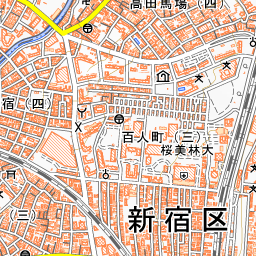


Spot location © OpenStreetMap contributors (ODbL)
Open in Google MapsUse asobot while you walk
- See where you are on the map and find spots nearby
- Listen to the guide's audio in course order, one after another (with subtitles)
- Walk to the next spot while following the map
Open on your phone
Scan to open this spot in asobot on your phone.