 ✨ AI Generated
Kumeda-dera Temple
Japanese: 久米田寺
Kishiwada, Osaka
This information was written by AI and may contain mistakes. Please check official sources for opening hours, fees, and other details before you go.
Found a mistake? Let us know with “✏️ Something's wrong” on this spot's screen in asobot →
🎧 Audio guide(1:09)
In short
A temple of the Koyasan Shingon sect, with the mountain name (sango) Ryugasan and the cloister name (ingo) Ryuchi-in, founded in 738 (Tenpyo 10) by the monk Gyoki. It originated as Ryuchi-in, built to maintain and manage Kumeda Pond, which had been constructed by Gyoki, and the pond still stretches out before the temple gates today. The temple grounds are designated as an Osaka Prefectural Historic Site.
- Kondo (Main Hall) and Tahoto Pagoda: The Kondo houses the principal image of Shaka Nyorai, and a plaque reading "Ryuchi-in," written by the brush of Matsudaira Sadanobu, hangs inside the hall. The Tahoto pagoda enshrines Buddhist relics (busshari) donated by Ashikaga Tadayoshi from To-ji Temple in Kyoto
- Temple Treasures Designated as Important Cultural Properties: Of the eight national Important Cultural Properties in Kishiwada City other than architectural structures, this temple houses seven. They consist of four ancient documents, including the "Kusunoki family documents," which feature a letter written by Kusunoki Masashige, and three paintings, including a Star Mandala painting
- Gyoki Mairi: During the festival in October, the "Gyoki Mairi" takes place, in which danjiri floats from 12 districts gather within the temple grounds to express their gratitude to Gyoki, making it an autumn tradition in Kishiwada
History and Highlights
Kumeda-dera Temple is a temple belonging to the Koyasan Shingon sect of Buddhism. Its mountain name (sango) is Ryugasan, and its cloister name (ingo) is Ryuchi-in. It was founded in 738 (Tenpyo 10) by the monk Gyoki. It originated as Ryuchi-in, built to maintain and manage Kumeda Pond, which had been constructed by Gyoki, and the pond still stretches out before the temple gates today. The temple grounds are designated as an Osaka Prefectural Historic Site.
In the mid-Kamakura period, the temple was restored with the support of Ando Rensho, an influential figure in the shogunate, who served as a major patron. In 1562 (Eiroku 5) during the Sengoku (Warring States) period, Jikkyu, the younger brother of Miyoshi Nagayoshi, set up camp at this temple and fought against the forces of Hatakeyama Takamasa, who had advanced northward from Kii Province. This conflict is known as the Battle of Kumeda. During the Eiroku era, the temple was destroyed by fires of the war between the Miyoshi and Hatakeyama clans, and the current buildings were rebuilt in the mid-Edo period.
Viewing and Experience Highlights
- Kondo (Main Hall) and Tahoto Pagoda: The Kondo houses the principal image of Shaka Nyorai, and a plaque reading "Ryuchi-in," written by the brush of Matsudaira Sadanobu, hangs inside the hall. The Tahoto pagoda enshrines Buddhist relics (busshari) donated by Ashikaga Tadayoshi from To-ji Temple in Kyoto. A plaque reading "Ryugasan" hangs on the romon (two-story gate) overlooking Kumeda Pond.
- Temple Treasures Designated as Important Cultural Properties: Kumeda-dera Temple houses seven of the eight national Important Cultural Properties in Kishiwada City (excluding architectural structures). These consist of four ancient documents, including the "Kusunoki family documents" which feature a letter written by Kusunoki Masashige, and three paintings, including a Star Mandala painting. One of these paintings is a portrait of Ando Rensho, who revived the temple.
- Gyoki Mairi: During the festival in October, the "Gyoki Mairi" takes place, in which danjiri floats from 12 districts gather within the temple grounds to express their gratitude to Gyoki, making it an autumn tradition in Kishiwada.
Travel Tips
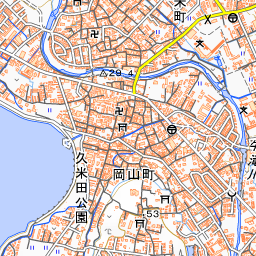
The temple is a 10-minute walk from Kumeda Station on the JR Hanwa Line. The temple fair held on April 21 is fondly referred to by locals as "21-nichi no Odaissan." In spring, it is also known as a cherry blossom spot, and walking along the banks of Kumeda Pond stretching out before the gate is recommended. For information regarding the origins of the pond and its wild birds, please see the guide for Kumeda Pond.
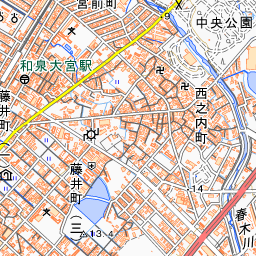
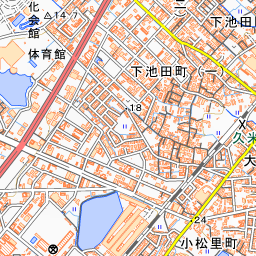
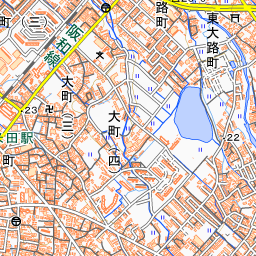
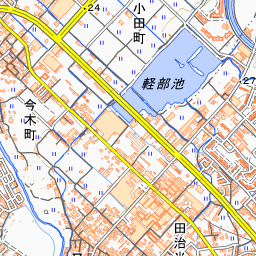

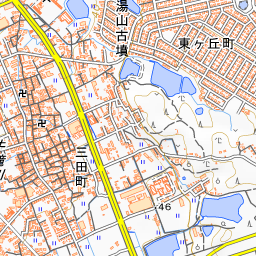
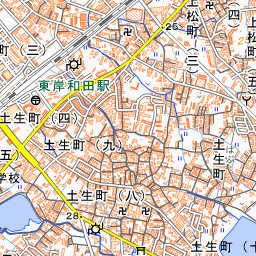
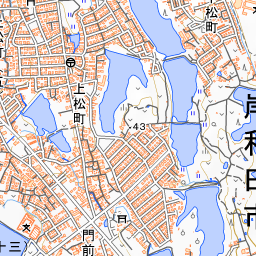
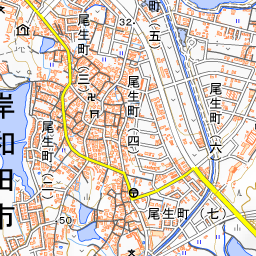
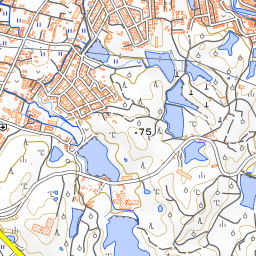
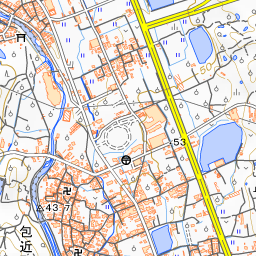
Spot location © OpenStreetMap contributors (ODbL)
Open in Google MapsUse asobot while you walk
- See where you are on the map and find spots nearby
- Listen to the guide's audio in course order, one after another (with subtitles)
- Walk to the next spot while following the map
Open on your phone
Scan to open this spot in asobot on your phone.