 ✨ AI Generated
Daikan Residence
Japanese: 代官屋敷
Setagaya City, Tokyo
This information was written by AI and may contain mistakes. Please check official sources for opening hours, fees, and other details before you go.
Found a mistake? Let us know with “✏️ Something's wrong” on this spot's screen in asobot →
🎧 Audio guide(1:00)
In short
The Daikan Residence was the residence of the Ohba family, who served as magistrates (daikan) of the Setagaya territory under the Hikone Domain across generations during the Edo period; it is also called the Setagaya Daikan Residence. As a magistrate's residence of a daimyo domain, it is the only one surviving in Tokyo. The residence grounds are designated as a Tokyo Metropolitan Historic Site, and its two structures—the main building (omoya) and front gate—are designated as National Important Cultural Properties.
- Thatched Main Building and Front Gate: The main building is a thatched structure with a hipped roof, and the front gate is a thatched nagayamon (row-house gate).
- The Magistrate's Offices: Stepping up from the entrance of the main building, there is an 18-tatami-mat "hiroma" (great hall); to its west are the "yakusho-no-ma" (official duty room) and "tsugi-no-ma" (antechamber), which served as the magistrate's offices.
- Setting for the Boro-ichi Market: On December 15–16 and January 15–16 every year, the "Setagaya Boro-ichi" flea market is held along Boro-ichi Street centered around the Daikan Residence.
History and Highlights
The Daikan Residence is the official residence of the Ohba family, who hereditarily served as daikan for the 20 villages of the Setagaya territory of the Hikone Domain from the mid-Edo period. It is also referred to as the Setagaya Daikan Residence or Ohba Daikan Residence.
The Ohba family was a family of senior retainers of the Kira clan of Setagaya. Around the beginning of the Tensho era, the father and son Ohba Nobuhisa and Fusakatsu left their previous residence and moved to the current location, and the Ohba family has lived here generation after generation ever since. The earliest record of building a residence dates to Genbun 2 (1737), when Ohba Morimasa, the seventh-generation descendant from Nobuhisa, rebuilt it. Morimasa was appointed to the post of daikan two years later.
As a daikan residence within a daimyo domain, it is the only one in Tokyo and was designated as a Tokyo Metropolitan Historic Site in Showa 27 (1952). Furthermore, because the two structures of the main building and front gate well preserve the appearance of upper-class private residences of the mid-early modern period, they became the first residential buildings in Tokyo to be designated as National Important Cultural Properties in Showa 53 (1978). In Showa 42 (1967), the main building underwent dismantling and restoration to return it to its historical appearance.
Highlights for Viewing and Experiencing
- Thatched Main Building and Front Gate: The main building features a hipped, thatched roof, with its entrance facing north. Its width is approximately 17 meters. The front gate is a nagayamon gate, which also has a hipped, thatched roof.
- Hiroma and Yakusho-no-ma: The entrances on the north and south of the main building are large wooden sliding doors (ohdo) resembling those of a farmhouse. The entrance has a shikidai (step), and stepping up leads immediately into the 18-tatami-mat "hiroma" (great hall), possessing the dignity befitting a magistrate's home. The "yakusho-no-ma" (official duty room) and "tsugi-no-ma" (antechamber) on the west side of the hiroma were used as the magistrate's offices.
- Seppuku-no-ma and the Remains of the Shirasu: The Ohba family called the 7.5-tatami-mat room on the other side of the Buddhist altar room and a closet the "Seppuku-no-ma" (ritual suicide room); it is said that the magistrate carried out his duties prepared to perform seppuku here at any time should something occur. The grounds also retain traces of the shirasu (inquiry ground) where interrogations were conducted.
Tips for Exploring
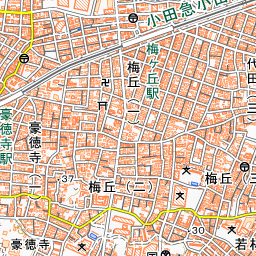
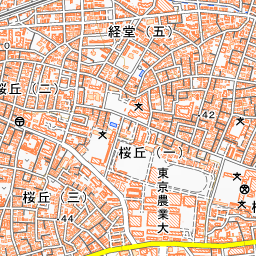
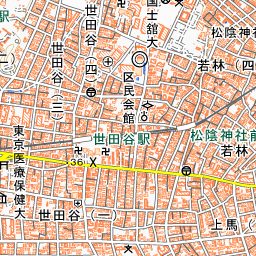
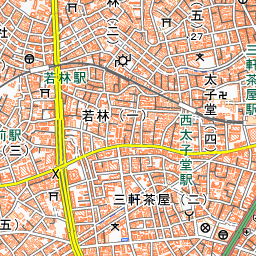
It is about a 5-minute walk from Kamimachi Station on the Tokyu Setagaya Line. On the grounds stands the Setagaya Local History Museum, Tokyo's first public local museum opened in Showa 39 (1964), designed by architect Maekawa Kunio. On the street in front of the residence, the "Setagaya Boro-ichi" is held every year on December 15–16 and January 15–16, bustling with about 200,000 visitors per day. The origin of the Boro-ichi is a rakuichi (free market) opened in Setagaya Shinjuku by Hojo Ujimasa in Tensho 6 (1578). The scene of the daikan patrolling on market days is recreated once every five years as the "Daikan Procession" in conjunction with the Boro-ichi.







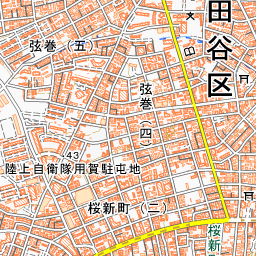
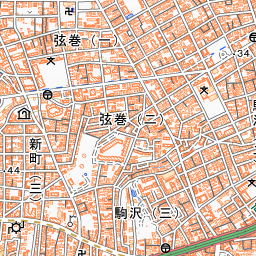
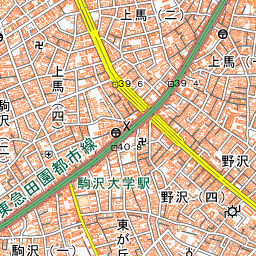
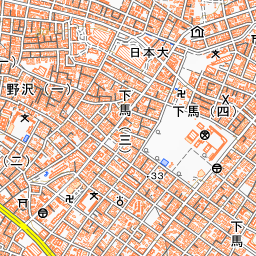
Spot location © OpenStreetMap contributors (ODbL)
Open in Google MapsGuides that include this spot (1)
Use asobot while you walk
- See where you are on the map and find spots nearby
- Listen to the guide's audio in course order, one after another (with subtitles)
- Walk to the next spot while following the map
Open on your phone
Scan to open this spot in asobot on your phone.