 ✨ AI Generated
Edo-Tokyo Museum
Japanese: 江戸東京博物館
Sumida City, Tokyo
This information was written by AI and may contain mistakes. Please check official sources for opening hours, fees, and other details before you go.
Found a mistake? Let us know with “✏️ Something's wrong” on this spot's screen in asobot →
🎧 Audio guide(1:06)
In short
The Edo-Tokyo Museum is a Tokyo metropolitan museum that introduces the history and culture of Edo and Tokyo, focusing on the approximately 400 years from Tokugawa Ieyasu's entry into Edo to the present day. Following a major renovation that took about four years, it reopened on March 31, 2026. The building was designed by architect Kikutake Kiyonori, and in the exhibition halls, life-size and full-scale reconstructed models guide visitors into the town of Edo.
- Life-size Nihonbashi: The permanent exhibition room begins with a life-size reconstructed Nihonbashi bridge.
- Nakamuraza: The front facade of the Nakamuraza, a kabuki theater from the Edo period, has been restored to its original scale.
- Hattori Clock Store: The Hattori Clock Store, an iconic symbol of Ginza during the Meiji period, was recreated to its full original scale during the renovation.
History and Highlights
The Edo-Tokyo Museum is a Tokyo metropolitan museum opened in March 1993 as a venue to reflect on the history and culture of Edo-Tokyo and to envision the future of cities and lifestyle. The building was designed by architect Kikutake Kiyonori. Through authentic historical materials, reconstructed models, and hands-on exhibits, it introduces the roughly 400 years from Tokugawa Ieyasu's entry into Edo to the present day.
From April 2022, the museum was closed for approximately four years for its first major renovation since opening. It reopened on March 31, 2026. Through this renovation, the large-scale model of the "Choya Shimbun Office" in the permanent exhibition room was rebuilt according to historical fact into the "Hattori Clock Store," an iconic symbol of Ginza in the Meiji period, restored to its full original scale.
The permanent exhibition area is divided into the Edo Zone and the Tokyo Zone. The Edo Zone covers topics ranging from Edo Castle and the town layout to town life, commerce, theater, and the pleasure quarters. The Tokyo Zone begins with the Tokyo of the civilization and enlightenment era. In 1894, the Hattori Clock Store purchased the former Choya Shimbun building on the corner of Ginza 4-chome and carried out extensions and renovations that added a massive clock tower on top.
Viewing and Experiencing Highlights
- Life-size Nihonbashi: The entrance to the permanent exhibition room begins with a life-size reconstruction of Nihonbashi bridge. The original bridge measured 28 ken (about 51 meters) in total length, and here, the northern half of 14 ken has been reconstructed. Once you cross the bridge, scale models of the townsmen's quarters and daimyo residences from the Kanei era, as well as the palace of Edo Castle from the late Edo period, are laid out, allowing visitors to see the town layout centered around Edo Castle.
- Nakamuraza and Munewari Nagaya: The facade of the Nakamuraza, a prominent kabuki theater from the Edo period, is reconstructed to its full original scale with a frontage of 11 ken (about 20 meters). Following the renovation, visitors can now step inside. With the life-size model of a munewari nagaya (tenement house partitioned lengthwise), you can observe the daily lives of common people in Edo.
- The Bustling Quarters at Ryogokubashi-nishizume: On the Hirokoji avenue at the western foot of Ryogoku Bridge, sideshow stalls and mizuchaya teahouses stood side by side, and food stalls serving sushi, tempura, and eel gathered there along with peddlers and street performers. This model recreates the lively scene of this entertainment district using about 1,500 miniature figurines.
Walking Tips
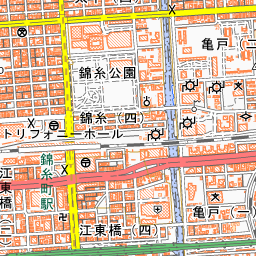
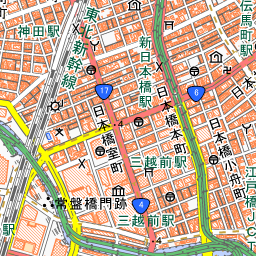
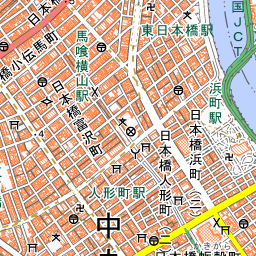
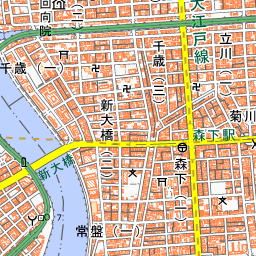
It is a 3-minute walk from the West Exit of JR Ryogoku Station on the Sobu Line, and a 1-minute walk from exits A3 and A4 of Ryogoku Station on the Toei Oedo Line. About 240 meters to the west is Ryogoku Kokugikan, about 290 meters to the north is Yokoamicho Park, and about 400 meters to the east is The Sumida Hokusai Museum. It is also pleasant to stroll around the town of Ryogoku in combination with Kyu-Yasuda Garden, which is about 300 meters to the northwest.


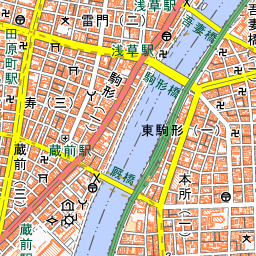
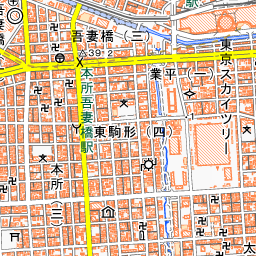
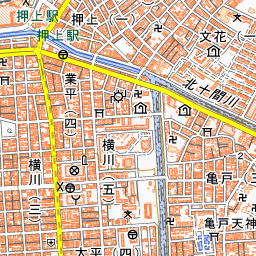
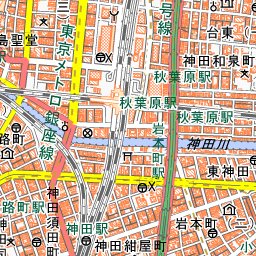


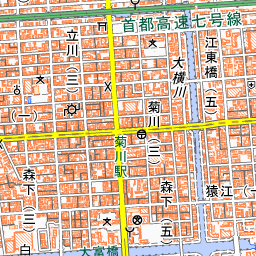
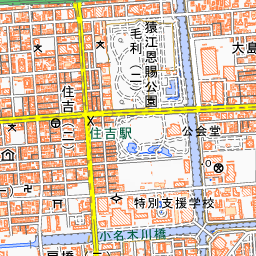
Spot location © OpenStreetMap contributors (ODbL)
Open in Google MapsGuides that include this spot (1)
Use asobot while you walk
- See where you are on the map and find spots nearby
- Listen to the guide's audio in course order, one after another (with subtitles)
- Walk to the next spot while following the map
Open on your phone
Scan to open this spot in asobot on your phone.