 ✨ AI Generated
Ryogoku Kokugikan
Japanese: 両国国技館
Sumida City, Tokyo
This information was written by AI and may contain mistakes. Please check official sources for opening hours, fees, and other details before you go.
Found a mistake? Let us know with “✏️ Something's wrong” on this spot's screen in asobot →
🎧 Audio guide(0:56)
In short
Ryogoku Kokugikan is the venue where Tokyo's official Grand Sumo Tournaments (honbasho) are held. These tournaments take place here three times a year, in January, May, and September. Towering to the north of JR Ryogoku Station, its large green roof serves as a landmark, and the Sumo Museum is located on the building's first floor. The connection between Ryogoku and sumo dates back to the Edo period, tracing a path from the kanjin-zumo (fundraising sumo) held at nearby Eko-in Temple to the original Kokugikan.
- Large Green Roof: The massive roof covered in green copper sheeting stands out prominently in front of the station.
- Suspended Roof over the Dohyo: The suspended roof hanging above the dohyo (sumo ring) is constructed in the same shinmei-zukuri style as Ise Jingu Shrine.
- Sumo Museum: It exhibits items such as nishiki-e (woodblock prints), banzuke (ranking sheets), and kesho-mawashi (ceremonial aprons), and can be visited even outside tournament periods.
History and Highlights
Ryogoku Kokugikan is the facility where Grand Sumo Tournaments are held. Its official name is "Kokugikan." Tokyo's official tournaments are held here three times a year, in January, May, and September.
The bond between Ryogoku and sumo dates back to the Edo period. In 1768 (Meiwa 5), kanjin-zumo was held for the first time within the grounds of the nearby Eko-in Temple. From 1833 (Tenpo 4), Eko-in Temple became the regular venue for the spring and autumn tournaments. This era of "Eko-in sumo" continued for 76 years until the original Kokugikan was completed in 1909 (Meiji 42). The first Kokugikan was designed by Tatsuno Kingo, known for Tokyo Station, and his student Kasai Manji. Built with an iron framework supporting a dome-shaped ceiling, it was affectionately known as the "Daitessan" (Great Iron Umbrella).
Later, the Kokugikan moved to Kuramae. The current arena was completed in 1985 (Showa 60), relocating from the aging Kuramae Kokugikan. This marked the return of the Kokugikan to Ryogoku after 39 years. The building has three floors above ground and three basement levels, with a seating capacity of 11,098. The dohyo can be raised and lowered mechanically via an electric system, allowing the venue to host various other events in addition to sumo. Rising north of JR Ryogoku Station, its grand roof clad in green copper sheeting is exceptionally eye-catching.
Viewing and Experience Points
- Suspended Roof over the Dohyo: A large suspended roof hangs directly over the dohyo. Built with an aluminum light-alloy framework, it is assembled in the same shinmei-zukuri style as Ise Jingu Shrine. Originally, the roof was supported by four pillars, but during the Kuramae Kokugikan era in 1952 (Showa 27), the pillars were removed, and tassels in four different colors were suspended from the hanging ceiling instead.
- Sumo Museum: This museum is located on the first floor of the building. Established in 1954 (Showa 29) upon the completion of the Kuramae Kokugikan, it collects and displays sumo-related materials such as nishiki-e, banzuke, and kesho-mawashi. It can be visited outside tournament seasons as well.
- Tournament Atmosphere: During official tournament periods, vibrant banners inscribed with the names of sumo wrestlers line the perimeter of the arena. Visitors can soak in the atmosphere of Grand Sumo even without attending the bouts.
Walking Tips
It is about a 1-minute walk from JR Ryogoku Station and roughly a 5-minute walk from Ryogoku Station on the Toei Oedo Line. Along Kokugikan-dori Street leading to the arena, bronze statues of wrestlers performing the ring-entering ceremony (dohyo-iri) are displayed alongside handprints of past yokozuna. About 150 meters to the north of the arena lies Kyu-Yasuda Garden, about 220 meters to the north is The Japanese Sword Museum, and about 240 meters to the east is the Edo-Tokyo Museum. Roughly 410 meters to the south is Eko-in Temple, which once served as the regular venue for kanjin-zumo. For details on the Chikarazuka (sumo monument) and other features on its grounds, please refer to the description for Eko-in Temple.


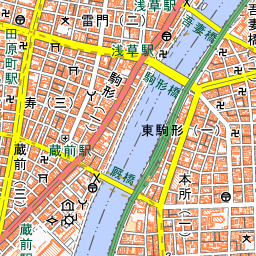
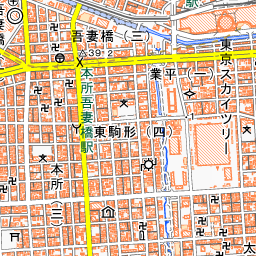
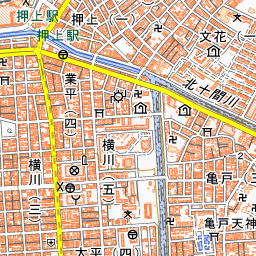
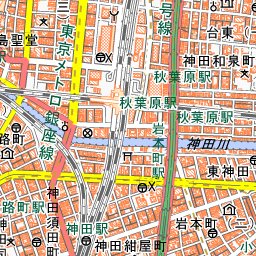


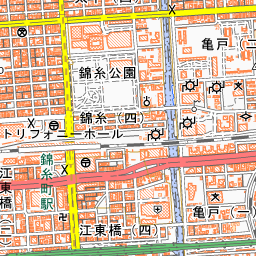
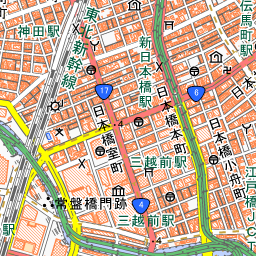
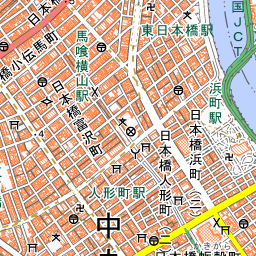
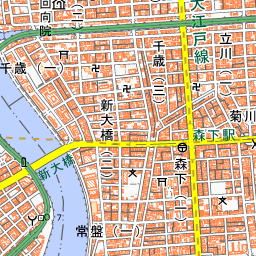
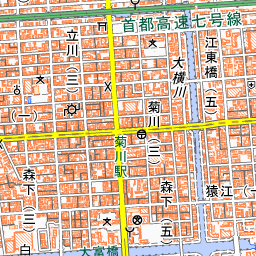
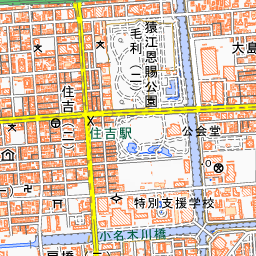
Spot location © OpenStreetMap contributors (ODbL)
Open in Google MapsGuides that include this spot (1)
Use asobot while you walk
- See where you are on the map and find spots nearby
- Listen to the guide's audio in course order, one after another (with subtitles)
- Walk to the next spot while following the map
Open on your phone
Scan to open this spot in asobot on your phone.