 ✨ AI Generated
Keio Mogusaen
Japanese: 京王百草園
Hino, Tokyo
This information was written by AI and may contain mistakes. Please check official sources for opening hours, fees, and other details before you go.
Found a mistake? Let us know with “✏️ Something's wrong” on this spot's screen in asobot →
🎧 Audio guide(1:05)
In short
Keio Mogusaen is a Japanese garden located in a corner of the Tama Hills. Built on the former site of Shoren-ji Temple from the Edo period, it is known as a famous spot for plum blossom viewing, where about 500 plum trees of around 50 varieties bloom. It is also a place visited by many literary figures, including Wakayama Bokusui. The garden covers an area of about 26,000 square meters, where visitors can enjoy seasonal flowers and wild birds in addition to the plum blossoms.
- Jusho-bai: A notable plum tree standing in front of Shoren-an, said to be over 300 years old, which is traditionally said to have been planted by Jushoin herself.
- Shoren-an: A thatched-roof building converted from the kuri (living quarters/kitchen) of Shoren-ji Temple, standing near the center of the garden.
- Observation Deck: From the observation deck at an elevation of 140 meters, Tokyo Skytree can be seen if weather permits.
History and Highlights
Keio Mogusaen is a Japanese garden situated in a corner of the Tama Hills. It covers an area of about 26,000 square meters and is known as a famous spot for plum blossom viewing with around 500 plum trees of about 50 varieties blooming, designated as a historic site and place of scenic beauty by Hino City.
Layers of temple history are associated with this land. At the end of the 11th century, Shinjihi-ji Temple was built and flourished as a prayer temple for the Kamakura shogunate, but it fell into ruin with the fall of the shogunate. In 1717 (the second year of the Kyoho era), Jushoin, the wife of roju (senior councilor) Okubo Tadamasu, founded Shoren-ji Temple. According to the garden's guide, it is said to have been rebuilt to mourn Nobuyasu, the eldest son of Tokugawa Ieyasu. The temple attracted many writers and artists from Edo, but it was abandoned in 1873 (Meiji 6) following the anti-Buddhist movement (haibutsu kishaku).
Aoki Kakuzo, a local raw silk merchant, purchased the ruined site and developed it. Kakuzo opened it to the public as "Mogusaen" in 1887 (Meiji 20). Keio Electric Railway acquired it in 1957 (Showa 32) and redeveloped it into the current Keio Mogusaen.
Shoren-an, standing near the center of the garden, is a thatched-roof building converted from the kuri of Shoren-ji Temple. In March 2026, a recommendation was made to register it as a Registered Tangible Cultural Property.
Viewing and Experience Highlights
- Jusho-bai and the Thatched Roof: Jusho-bai in front of Shoren-an is a famous tree said to be over 300 years old, traditionally believed to have been planted by Jushoin herself. The scenery combining the thatched roof and the plum blossoms is a photo spot visited by many photographers.
- Bokusui's Poetry Monument: Wakayama Bokusui turned his heartbreak into poetry here, writing "Hitori Utaeru" (Singing Alone). On the former site of the teahouse where Bokusui stayed stands a poetry monument designed by his eldest son, Tabibito. There is also a haiku monument dedicated to Matsuo Basho within the garden.
- Seasonal Flowers and Birds: In addition to plum blossoms, the garden's guide lists katakuri (Asian fawnlily) in April, wisteria and peonies in May, hydrangeas in June, and autumn maple leaves in November. Wild birds are also abundant, and one can often hear the Japanese bush warbler in spring and the lesser cuckoo in early summer.
Tips for Exploring
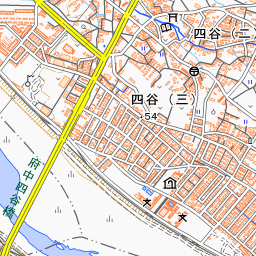
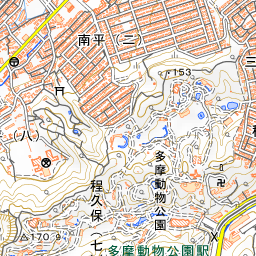
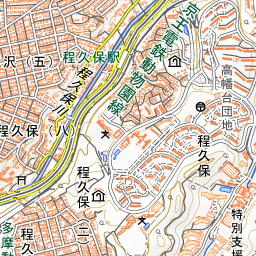
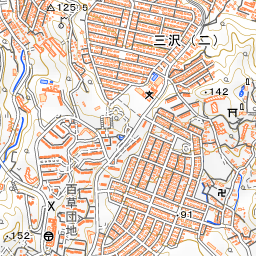
It is about a 10-minute walk from Mogusaen Station on the Keio Line, with a steep slope along the way. There is no parking lot. Going up the stone steps from the main gate leads to Jusho-bai and Shoren-an. Shinji-ike Pond stretches to the west of the hermitage. From the open space in front of Shoren-an, Mount Tsukuba can also be seen on clear days. From the observation deck at an elevation of 140 meters, you can view the Shinjuku subcenter and Tokyo Skytree. Sanrekian, a teahouse built using Akita cedar, is a photo spot surrounded by maples and bamboo.
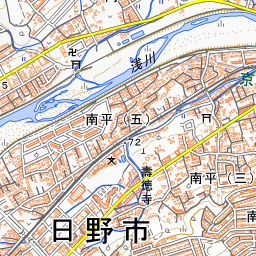
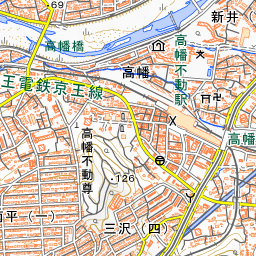
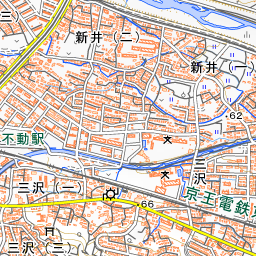
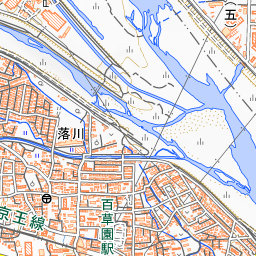
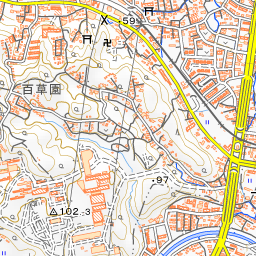
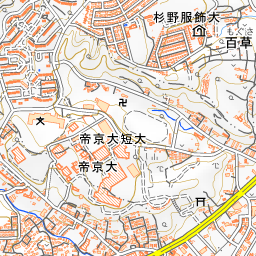
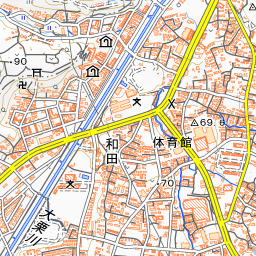
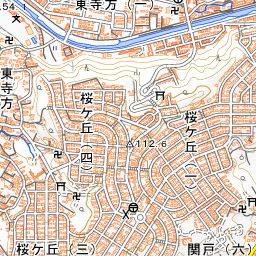
Spot location © OpenStreetMap contributors (ODbL)
Open in Google MapsUse asobot while you walk
- See where you are on the map and find spots nearby
- Listen to the guide's audio in course order, one after another (with subtitles)
- Walk to the next spot while following the map
Open on your phone
Scan to open this spot in asobot on your phone.