 ✨ AI Generated
Kyoto Prefectural Insho-Domoto Museum of Fine Arts
Japanese: 京都府立堂本印象美術館
Kita Ward, Kyoto
This information was written by AI and may contain mistakes. Please check official sources for opening hours, fees, and other details before you go.
Found a mistake? Let us know with “✏️ Something's wrong” on this spot's screen in asobot →
🎧 Audio guide(1:13)
In short
Kyoto Prefectural Insho-Domoto Museum of Fine Arts is dedicated to Domoto Insho, a Japanese painter who was active in Kyoto from the Taisho to the Showa period. It began as the Domoto Museum, which Insho opened in 1966 next to his home in Kinugasa. In 1991, the building and works were donated to Kyoto Prefecture, and the following year it opened as Kyoto Prefectural Insho-Domoto Museum of Fine Arts.
- Works from traditional to abstract: The museum houses Insho's works, which changed greatly from traditional Japanese painting to abstract art, and holds exhibitions of these works and special exhibitions of artists associated with Kyoto in turn
- The building itself as a work of art: The building was designed entirely by Insho himself, from the exterior to the interior. In 2025, it was registered as a national Registered Tangible Cultural Property along with his mountain atelier
- Fine details inside the museum: Insho's designs remain all over the museum, from the paintings on the handles of the front entrance's glass doors to the stained glass, doorknobs, lighting fixtures, and carved wooden chairs
History and Highlights
Kyoto Prefectural Insho-Domoto Museum of Fine Arts is an art museum dedicated to Domoto Insho, a Japanese painter who was active in Kyoto from the Taisho to Showa periods. Insho was born in Kyoto in 1891 (Meiji 24). He became a prominent figure in the art world after winning special prizes and the Imperial Fine Arts Academy Award at the Teiten exhibitions, and received the Order of Culture in 1961 (Showa 36). From 1955 (Showa 30) onward, he advanced into abstract expression, naming his unique abstract style created with traditional Japanese painting materials "Shin-zokei" (New Plastic Arts).
The museum was originally opened by Insho in October 1966 (Showa 41) adjacent to his residence in Kinugasa as the "Domoto Museum." In 1991 (Heisei 3), the building and works were donated to Kyoto Prefecture, and in the following year, it reopened as the Kyoto Prefectural Insho-Domoto Museum of Fine Arts. The building was entirely designed by Insho himself, from the exterior to the interior, and in 2025 (Reiwa 7), it was registered as a national Registered Tangible Cultural Property along with his mountain atelier.
Viewing and Experience Highlights
- Works from Traditional to Abstract: The museum houses works by Insho that show his major transition from traditional Japanese painting to abstract art. Special exhibitions featuring these works, as well as special exhibitions of artists associated with Kyoto, are held sequentially.
- The Building Itself as a Work of Art: Insho is said to have pursued a unique aesthetic inspired by palaces and art museums he saw in Europe. Decorations based on Insho's preliminary sketches are applied to the exterior walls, the pillars of the entrance porch, and even the garden benches.
- Detailed Designs throughout the Building: Insho's designs remain all over the museum, including paintings on the entrance glass door handles, stained glass, doorknobs, lighting fixtures, guidance signs, and carved wooden chairs.
Tips for Exploring
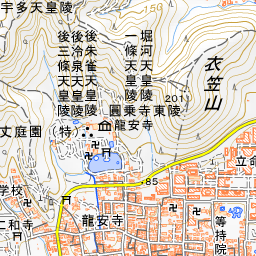
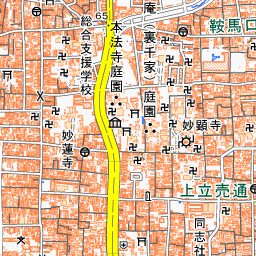
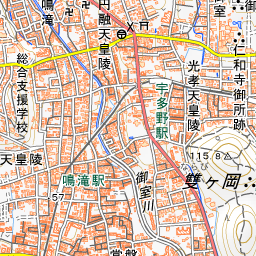
It is located immediately upon alighting at the "Ritsumeikan Daigaku-mae" stop on the Kyoto City Bus or JR Bus. The museum faces "Kinukake-no-Michi Road," which leads from Kinkaku-ji Temple to Ryoan-ji Temple and Ninna-ji Temple. Kinkaku-ji Temple, Ryoan-ji Temple, and Ninna-ji Temple are introduced as separate spots. The museum does not have a parking lot.



Use asobot while you walk
- See where you are on the map and find spots nearby
- Listen to the guide's audio in course order, one after another (with subtitles)
- Walk to the next spot while following the map
Open on your phone
Scan to open this spot in asobot on your phone.