 ✨ AI Generated
Togo-jinja Shrine
Japanese: 東郷神社
Shibuya City, Tokyo
This information was written by AI and may contain mistakes. Please check official sources for opening hours, fees, and other details before you go.
Found a mistake? Let us know with “✏️ Something's wrong” on this spot's screen in asobot →
🎧 Audio guide(1:03)
In short
Adjacent to Takeshita-dori Street and Meiji-dori Avenue in Harajuku, this shrine is dedicated to Togo Heihachiro. Completed in 1940 through petitions and donations gathered from across the nation after the death of Togo, who led the Combined Fleet in the Russo-Japanese War, it is revered as a shrine for sincerity, victory, good fortune, and matchmaking.
- The Z Flag: The red, blue, yellow, and black flag catching your eye on the grounds is the Z flag flown during the Battle of Tsushima, cherished as a symbol of victory.
- The Woods and Sacred Pond: Woods and a pond spread across the approximately 8,600-tsubo (approx. 28,400 sq m) grounds, where kingfishers can sometimes be seen bathing in the sacred pond.
- Lion Statues: Statues that appear to be komainu (guardian lion-dogs) are actually lions that once sat at the four corners of the pedestal of a bronze statue of Prince Arisugawa Takehito.
History and Highlights
Togo-jinja Shrine is dedicated to Togo Heihachiro. He is worshipped across generations as a deity of sincerity, victory, good fortune, and matchmaking.
Togo Heihachiro was born in Kagoshima in 1847 as the fourth son of a Satsuma samurai. During the Russo-Japanese War, he served as Commander-in-Chief of the Combined Fleet. In the Battle of Tsushima, he hoisted the Z flag on the flagship Mikasa, signaling "The fate of the Empire rests on this single battle; let every man do his utmost duty," and defeated the Russian Baltic Fleet. Later, for seven years as President of the Crown Prince's Study Center (Togu Gogakumonsho), he carried out the major responsibility of educating the Crown Prince, who later became Emperor Showa.
Togo passed away in 1934. At that time, requests to enshrine him at a shrine along with donations poured into the Ministry of the Navy from all over Japan. Thus, built with donations from the public, the shrine was completed in 1940. The shrine buildings were subjected to bombings twice, in 1944 and 1945, and burned down during the second bombing. The current shrine buildings were completed in May 1964.
Viewing and Experience Highlights
- The Z Flag: The striking flag of four colors—red, blue, yellow, and black—on the shrine grounds is the Z flag. It is the flag hoisted upon heading into battle during the Russo-Japanese War, and since the victory, it has been beloved by many as a symbol of triumph.
- Kachifuda Amulet: In the speech given by Togo upon the dissolution of the Combined Fleet, there is the famous phrase: "Tighten your helmet strings after a victory." Associated with this, the character "Kachi" (victory) taken from Togo's own calligraphy is granted as the victory amulet "Kachifuda."
- Lions and the Sacred Pond: The somewhat angular guardian statues on the grounds are actually lions. They were originally placed at the four corners of the pedestal of the bronze statue of Prince Arisugawa Takehito in Tsukiji, and having escaped war damage, were presented to the shrine by Prince Takamatsu. In the pond on the grounds, one can also see kingfishers bathing and carp swimming.
Tips for Exploring
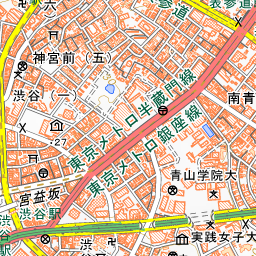
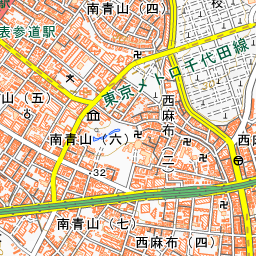
The shrine is about a 3-minute walk from the Takeshita Exit of JR Harajuku Station. Although the shrine grounds are adjacent to Meiji-dori Avenue and Takeshita-dori Street, stepping inside envelops you in tranquility. The grounds, spanning roughly 8,600 tsubo, are filled with woods and a pond. On the grounds, "Umi no Miya" (Shrine of the Sea), which enshrines the spirits of people associated with the navy, maritime affairs, and fisheries, was built in 1972 (Showa 47). The Submarine Martyr Memorial is shaped after a cross-section of a submarine, with an actual periscope fitted into the conning tower section. On the face of the monument, only the two characters for "Martyrdom" (Jun-koku) are engraved. Takeshita-dori Street is about 130 meters west-southwest, and the Ota Memorial Museum of Art, featuring ukiyo-e, is about 260 meters south-southwest.
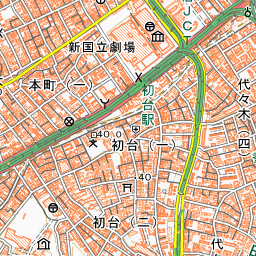
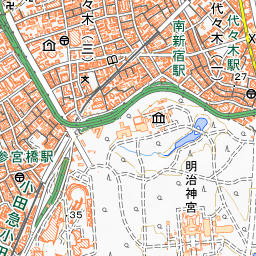
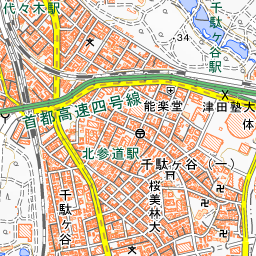
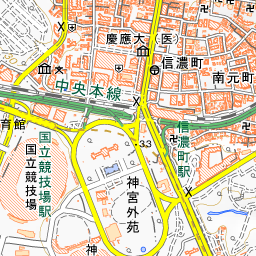
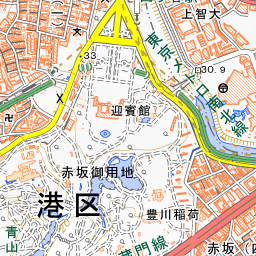
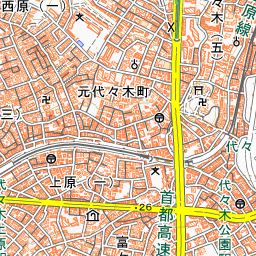
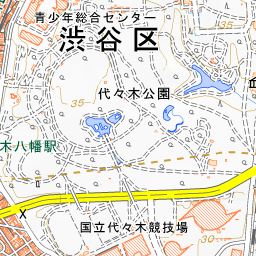
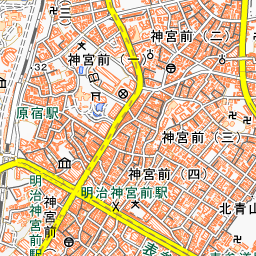
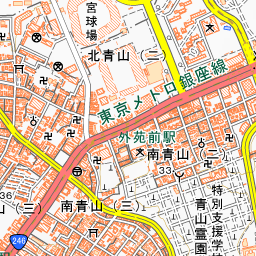
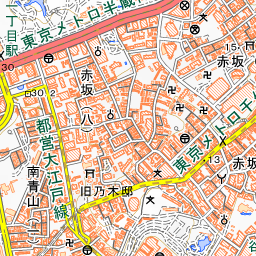
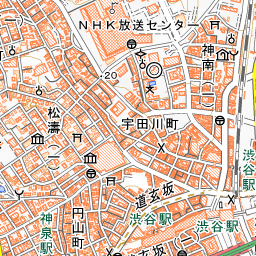
Spot location © OpenStreetMap contributors (ODbL)
Open in Google MapsUse asobot while you walk
- See where you are on the map and find spots nearby
- Listen to the guide's audio in course order, one after another (with subtitles)
- Walk to the next spot while following the map
Open on your phone
Scan to open this spot in asobot on your phone.