 ✨ AI Generated
Ikune-jinja Shrine (Oku-no-Tenjin)
Japanese: 生根神社(奥の天神)
Sumiyoshi Ward, Osaka
This information was written by AI and may contain mistakes. Please check official sources for opening hours, fees, and other details before you go.
Found a mistake? Let us know with “✏️ Something's wrong” on this spot's screen in asobot →
🎧 Audio guide(1:13)
In short
A shrine located to the northeast of Sumiyoshi-taisha Shrine that enshrines Sukunahikona-no-Mikoto. While the period of its founding is unknown, it is an ancient shrine whose name is recorded in the Engishiki Jinmyocho, and during the Edo period, it served as a subordinate shrine (sessha) of Sumiyoshi-taisha Shrine, before becoming independent in 1872 (the 5th year of Meiji). Because there is a Tenmangu shrine among the shrines on its grounds, it is also called "Oku-no-Tenjin-san," and this Tenmangu is said to have been a celebrated spot known as "Kobaiden" during the Edo period.
- Main Hall Preserving the Momoyama-Period Style: Built in the ikkensha nagare-zukuri style with a cypress bark roof (hiwadabuki), it is a Tangible Cultural Property of Osaka Prefecture. The chidori hafu (dormer gable) on the front and the door decorations retain the ornate style of the Momoyama period
- Stone Wall from the Tosa Jinya: The stone wall on the west side of the assembly hall known as Kobaiden is a relocated part of the stone wall from the Tosa Jinya. The Tosa Jinya was a post where troops from Tosa were stationed when the Edo shogunate ordered the Tosa Domain to guard the Sumiyoshihama coast
- Osaka City Preserved Woodland: The camphor trees (kusunoki), mochi trees (mochinoki), Chinese hackberries (enoki), and muku trees (mukunoki) within the precincts are designated as a Preserved Woodland of Osaka City
History and Highlights
Ikune-jinja Shrine (Oku-no-Tenjin) is located to the northeast of Sumiyoshi-taisha Shrine and enshrines Sukunahikona-no-Mikoto. While the exact period of its founding is unknown, it is an ancient shrine whose name is recorded in the Engishiki Jinmyocho. During the Edo period, it served as a subordinate shrine (sessha) of Sumiyoshi-taisha Shrine, before becoming independent in 1872 (the 5th year of Meiji).
Because there is a Tenmangu shrine on the grounds, it has also long been called "Oku-no-Tenjin-san." It is said that this Tenmangu was a celebrated spot known as "Kobaiden" during the Edo period. The main hall (honden) is built in the ikkensha nagare-zukuri style with a cypress bark roof (hiwadabuki), and is designated as a Tangible Cultural Property of Osaka Prefecture. The main hall and worship hall (haiden) are introduced as having been built by Yodo-dono, known as a concubine of Toyotomi Hideyoshi, out of her reverence for the shrine.
There is another Ikune-jinja Shrine with the same name in Tamade, Nishinari Ward, Osaka City, but that one is said to have originated when a divided spirit of Sukunahikona-no-Kami was received and enshrined from the Ikune-jinja Shrine in Sumiyoshi.
Viewing and Experience Points
- Main Hall Preserving the Momoyama-Period Style: The chidori hafu (dormer gable) on the front and the door decorations retain the ornate style of the Momoyama period. When paying your respects, try looking up at the shrine building from the front.
- Stone Wall from the Tosa Jinya: The stone wall on the west side of the assembly hall known as Kobaiden is a relocated part of the stone wall from the Tosa Jinya. The Tosa Jinya was a post where troops from the Tosa Domain were stationed when the Edo shogunate ordered the domain to guard the Sumiyoshihama coast.
- Osaka City Preserved Forest: The camphor trees (kusunoki), mochi trees (mochinoki), Chinese hackberries (enoki), and muku trees (mukunoki) within the precincts are designated as a Preserved Woodland of Osaka City.
Walking Tips
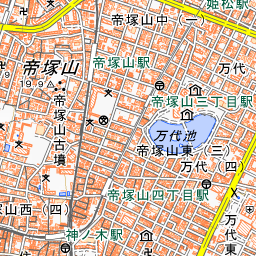
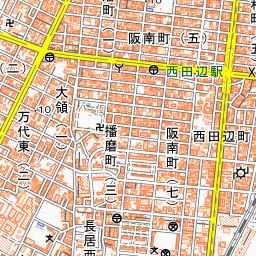
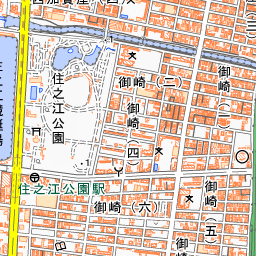
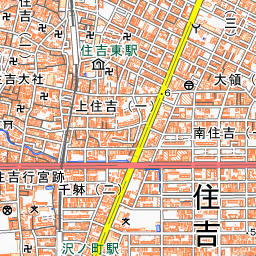
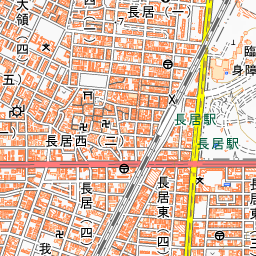
The shrine is situated just a short walk from Kaminoki Station on the Hankai Tramway Uemachi Line. It is listed as one of the highlights alongside Sumiyoshi-taisha Shrine on the walking courses of Sumiyoshi Ward. As Sumiyoshi-taisha Shrine is only about 260 meters to the south-southwest, visiting both shrines together is recommended. About 730 meters to the north-northeast lies the Tezukayama Kofun Burial Mound, allowing you to walk and explore both the ancient shrine and the tumulus.



Use asobot while you walk
- See where you are on the map and find spots nearby
- Listen to the guide's audio in course order, one after another (with subtitles)
- Walk to the next spot while following the map
Open on your phone
Scan to open this spot in asobot on your phone.