 ✨ AI Generated
Kongo-ji Temple
Japanese: 金剛寺
Gojo, Nara
This information was written by AI and may contain mistakes. Please check official sources for opening hours, fees, and other details before you go.
Found a mistake? Let us know with “✏️ Something's wrong” on this spot's screen in asobot →
🎧 Audio guide(0:59)
In short
Kongo-ji Temple is a Koyasan Shingon sect temple standing along the Yoshino River in Gojo City, affectionately known as the "Peony Temple." Said to have been founded by Taira no Shigemori, this ancient temple is the 23rd pilgrimage site of the Kansai Hana no Tera (Kansai Flower Temples). Highlights include a dry landscape garden viewed from the thatched-roof priests' quarters (kuri) and a temple bell suspended in the sanmon gate.
- Peony Garden: A garden of about 2,000 square meters that incorporates the Yoshino River as borrowed scenery. The Peony Festival is held here annually from late April to early May.
- Genroku Garden: A dry landscape garden from the early Genroku era, which can be viewed from inside the thatched-roof priests' quarters built in the 4th year of Genroku (1691).
- Bell of the Sanmon Gate: A hanging bell cast in the 12th year of Horeki (1762) through donations from 100,000 people across the Kinki region hangs in the sanmon gate.
History and Highlights
The official name of Kongo-ji Temple is Komatsuzan Fukuju-in Kongo-ji. It is said to have been founded in the 3rd year of Joan (1173) by Taira no Shigemori, who was known as the Komatsu Naidaijin (Minister of the Center). From the early Edo period, it was restored as the family temple of Hatakeyama Yoshiharu, lord of Nohara Castle.
This temple also possesses another aspect. In the late Nara period, Princess Igami, the empress of Emperor Konin, and her son Prince Osabe were exiled to Ono in Uchi. The temple also served as a shrine-temple to pacify their vengeful spirits. During the separation of Shinto and Buddhism in the early Meiji period, statues of the Eleven-faced Kannon and Juntei Kannon were brought here from Tenmangu and Goryogu shrines. These two statues are enshrined in the Kannon-do hall.
The principal image, the Yakushi Nyorai (Medicine Buddha), is carved from a single block of fragrant sandalwood (ichiboku-zukuri) and is believed to date from the Fujiwara period. Affectionately called "O-Yakushi-san," it is flanked by Nikko Bosatsu, Gakko Bosatsu, and the Twelve Heavenly Generals. The Chusonji-kyo, late Heian period Buddhist sutra scrolls originally dedicated to Chuson-ji Temple in Hiraizumi, is also among the temple treasures and is on deposit at the Nara National Museum.
The peonies originally began as medicine. It is said that in the 5th year of Bunsei (1822), the head priest Honjo planted them as medicinal herbs. In China, where peonies originate, their roots were cultivated as raw ingredients for herbal medicine.
Viewing and Experience Points
- Peony Garden: A garden of about 2,000 square meters within the grounds that incorporates the Yoshino River as borrowed scenery. With 100 varieties of peonies in bloom, the Peony Festival is held annually from late April to early May.
- Dry Landscape Garden and Priests' Quarters: From inside the thatched-roof priests' quarters built in the 4th year of Genroku (1691), visitors can view the dry landscape garden dating from the early Genroku era. The Hirado azaleas blooming in the garden are approximately 300 years old.
- Bell of the Sanmon Gate and Yakushi Well: As celebrated in the verse "At the mountain gate stands a bell tower, the peony temple," a hanging bell is set in the sanmon gate. To the left of the gate is the "Yakushi Well," which provides water to offer to the Yakushi Buddha.
Walking Tips
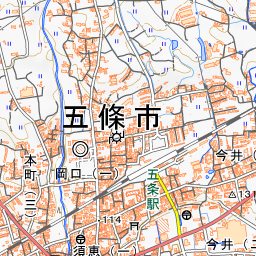
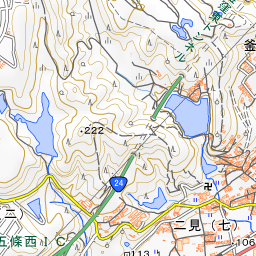
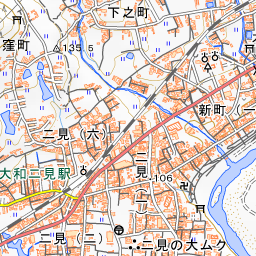
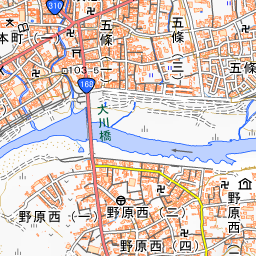
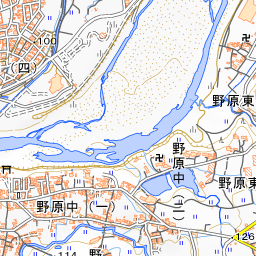
It is about 2 km and roughly a 25-minute walk from JR Gojo Station. After passing through the sanmon gate, look up at the roof of the Kannon-do hall. The hall was rebuilt in the 30th year of Meiji (1897), and its shibi (ridge-end roof ornaments) bear the inscription: "Model of the Toshodai-ji Temple Kondo (Golden Hall)."
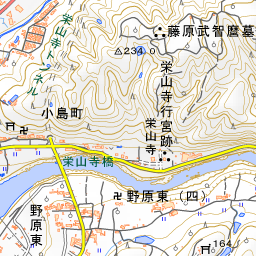
Small chrysanthemums bloom in autumn. Their flowering season runs from late October to early November, and the Kiku-Yakushi ceremony is held on November 3. During this event, visitors pull the "cord of virtue" (zen-no-tsuna) connected to the right hand of the Yakushi Nyorai decorated with chrysanthemums to pray for health and longevity. Gojo Shinmachi is about 860 meters to the west-northwest in a straight line, and Eisan-ji Temple is about 2.1 km to the northeast in a straight line.


Guides that include this spot (1)
Use asobot while you walk
- See where you are on the map and find spots nearby
- Listen to the guide's audio in course order, one after another (with subtitles)
- Walk to the next spot while following the map
Open on your phone
Scan to open this spot in asobot on your phone.