 ✨ AI Generated
Oshima Park
Japanese: 大島公園
Oshima Town, Tokyo
This information was written by AI and may contain mistakes. Please check official sources for opening hours, fees, and other details before you go.
Found a mistake? Let us know with “✏️ Something's wrong” on this spot's screen in asobot →
🎧 Audio guide(1:07)
In short
Oshima Park is a Tokyo metropolitan park located on the east coast of Izu Oshima. The Oshima Park area features one of Japan's largest camellia gardens, a botanical garden that gathers subtropical plants and flora unique to Oshima, and the only zoo in the Izu Islands.
- Camellia Garden: Home to approximately 3,200 cultivated camellias across about 1,000 varieties and around 5,000 wild camellias (Yabutsubaki), it is certified as an "International Camellia Garden of Excellence."
- Monkey Island (Saru-jima): An open enclosure utilizing natural lava formations where ring-tailed lemurs and Barbary sheep can be observed, including from an approximately 60-meter bridge.
- Lawn Plaza Overlooking the Sea: From this gently sloping plaza, visitors can gaze out over green forests, the Pacific Ocean, and the distant Boso Peninsula.
History and Highlights
The predecessor of Oshima Park was a natural zoological park that opened in 1935. It was planned by the Tokyo Bay Steamship Company (now Tokai Kisen) as a project to attract tourists. Later, the facilities were donated to the City of Tokyo and became Tokyo Municipal Oshima Park.
The Camellia Garden began development around 1957, based on approximately 100 varieties selected from camellia saplings brought in from Angyo, Saitama Prefecture, around 1940. Today, covering an area of about 7 hectares, it is one of the largest camellia gardens in Japan, boasting approximately 3,200 cultivated plants across about 1,000 varieties, along with roughly 5,000 wild camellias. In February 2016, it was certified as an "International Camellia Garden of Excellence" by the International Camellia Society, alongside Tokyo Metropolitan Oshima High School and Tsubaki-hana Garden on the island.
The Camellia Museum adjoining the Camellia Garden originated as a building constructed in 1938 as the accommodation facility Kuroshio-goya. It was rebuilt and reopened in 2011. Materials from the Kuroshio-goya era were reused as much as possible.
The only zoo in the Izu Islands takes advantage of the untouched natural landscape, including a hill created from past volcanic lava flows and native forests of camellia and Castanopsis sieboldii (Sudajii). It raises and exhibits approximately 400 animals of around 60 species.
Highlights & Experiences
- Camellia Garden Zones: The Camellia Garden is divided into nine zones, allowing visitors to compare camellias by flower color, place of origin, and flowering time. The flowering period runs from November to April, with the best viewing period guided as being from February to March.
- Camellia Museum Exhibits: The museum displays cut fresh flowers during the Camellia Festival and dried flowers during other seasons, allowing visitors to appreciate camellia blossoms all year round.
- Monkey Island and the Flying Cage: At Monkey Island, troops of ring-tailed lemurs and Barbary sheep can be observed from various angles, including a bridge of about 60 meters spanning the center. The Flying Cage is a large walk-in aviary that encloses the native forest of Oshima as it is, allowing visitors to walk inside and view the birds.
Walking Tips
The Camellia Garden and the Botanical Garden are separated by a metropolitan road, with one on the mountain side and the other on the sea side. The mountain side is the Camellia Garden, while the sea side is the Botanical Garden. Developed with the ocean as its backdrop, the Botanical Garden focuses on subtropical and native flora and can be enjoyed outside the camellia season as well. The Botanical Garden's lawn plaza forms a gentle slope offering views of the lush green forest, the Pacific Ocean, and the distant Boso Peninsula.
Oshima Park serves as the starting point for four walking trails. Visitors can reach the Oshima Sakurakabu, a national Special Natural Monument, via the 0.9-kilometer Izu Islands Botanical Garden course. The Texas Hiking Course extends 5.7 kilometers, crossing through the Ura-sabaku Desert to reach Mt. Mihara.
To reach the park, take a bus bound for Oshima Park from Motomachi Port, Okada Port, or Oshima Airport, and get off at the final stop. In the southern district of the park lies the accommodation facility Umi no Furusato Mura.



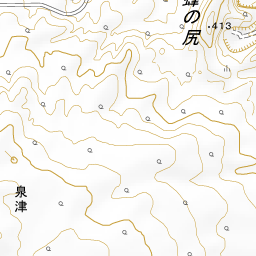
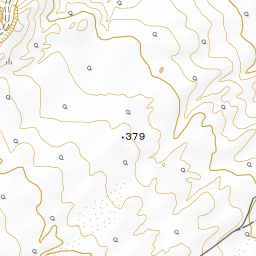
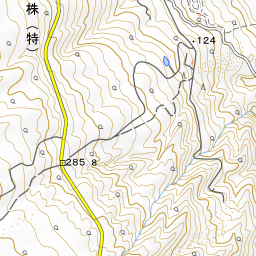
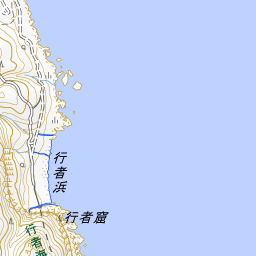

Spot location © OpenStreetMap contributors (ODbL)
Open in Google MapsUse asobot while you walk
- See where you are on the map and find spots nearby
- Listen to the guide's audio in course order, one after another (with subtitles)
- Walk to the next spot while following the map
Open on your phone
Scan to open this spot in asobot on your phone.