 ✨ AI Generated
Hakenomori Art Museum
Japanese: はけの森美術館
Koganei, Tokyo
This information was written by AI and may contain mistakes. Please check official sources for opening hours, fees, and other details before you go.
Found a mistake? Let us know with “✏️ Something's wrong” on this spot's screen in asobot →
🎧 Audio guide(1:04)
In short
Hakenomori Art Museum is a museum in Koganei City, built on the land where Western-style painter Nakamura Kenichi relocated after World War II and spent his later years. Centering on the works of Nakamura Kenichi, the museum holds over 1,000 items, including his painting materials, personal belongings, and correspondence. In the "Forest of Art Green Space" garden located on the slope of the Kokubunji Cliff Line, there are also his former residence and a tea house, both listed as national Registered Tangible Cultural Properties.
- Works of Nakamura Kenichi: A collection that conveys his artistic career, ranging from oil paintings to watercolors, sketches, and ceramic works.
- Forest of Art Green Space: The spring water emerging from the central pond has been selected as one of the 57 Selected Famous Springs of Tokyo.
- Former Nakamura Kenichi Residence and Tea House "Kashin-an": Designed by architect Sato Shuzo, these became the first national Registered Tangible Cultural Properties in Koganei City.
History and Highlights
The official name of Hakenomori Art Museum is the Koganei City Nakamura Kenichi Memorial Hakenomori Art Museum. This entire area is where the Western-style painter Nakamura Kenichi moved after the end of World War II and lived until his later years.
Nakamura Kenichi was born in 1895 in what is now Munakata City, Fukuoka Prefecture. After studying at the Tokyo Fine Arts School, he studied abroad in France for six years starting in 1923. Upon returning to Japan, he presented works mainly at the Teiten and Nitten exhibitions, playing an active role as a leading figure in the modern Western-style art world. In 1945, having lost his home and studio in Yoyogi-Hatsudai to war damage, he relocated to Koganei. He continued his creative work here until his death in 1967 at the age of 72.
After Nakamura's death, his wife, Nakamura Tomiko, built an art museum in the garden of their former residence, which opened in 1989 as the Nakamura Kenichi Memorial Museum. Later, it was donated to Koganei City and reopened in April 2006 as the Koganei City Hakenomori Art Museum.
The "Forest of Art Green Space" surrounding the museum is a green area on the slope of the Kokubunji Cliff Line that was originally the garden of the former residence. The scenery of this garden is frequently depicted in Nakamura's works. The water bubbling up from the pond at the center of the green space has been selected as one of the 57 Selected Famous Springs of Tokyo.
Viewing and Experience Points
- Nakamura Kenichi Collection: The collection consists mainly of works by Nakamura Kenichi. It houses more than 1,000 items, including not only oil paintings, watercolors, sketches, and ceramics, but also painting tools, personal items, letters, and works by related painters. A major work is the 1963 oil painting "Portrait of a Woman (Mrs. Tomiko Holding Beloved Cat Shu-chan)."
- Main Building of the Former Nakamura Kenichi Residence: Built in 1959 as the residence of Mr. and Mrs. Nakamura, the main building (omoya) is currently used as the museum's annex cafe building. It was designed by architect Sato Shuzo and features an exterior with a large gabled roof.
- Tea House "Kashin-an": A tea house built alongside the main building in 1960. It is said to have been constructed through consultations between Nakamura and Sato, utilizing old timber from the demolition of the previous main building. Nakamura's diary records "playing by looking at tea bowls," offering a glimpse of how he enjoyed tea freely. Along with the main building, it became Koganei City's first national Registered Tangible Cultural Property (Structures) in 2019.
Walking Tips
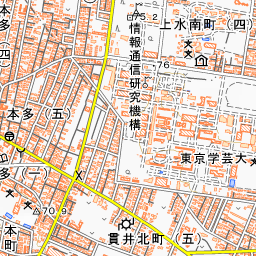
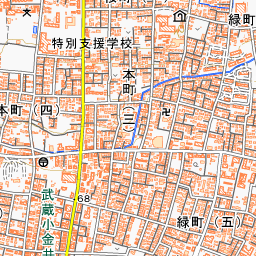
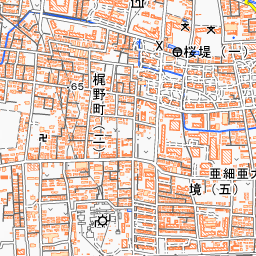
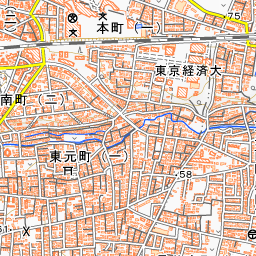
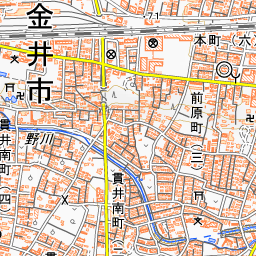
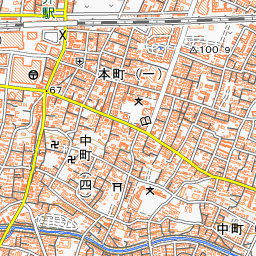
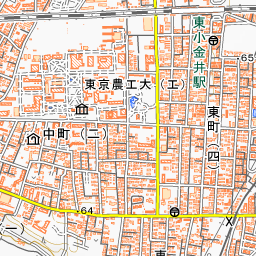
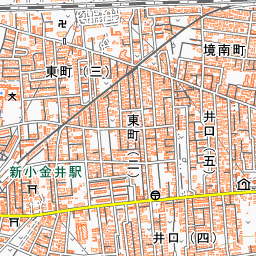
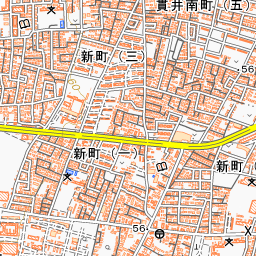
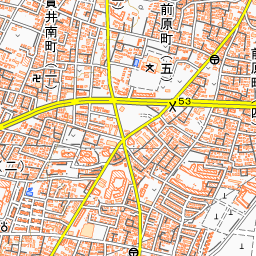
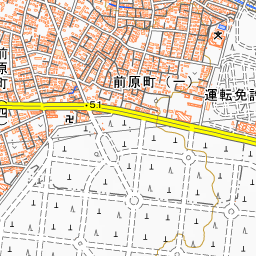
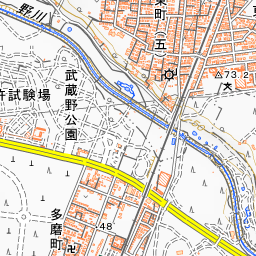
It is about a 15-minute walk from the South Exit of Musashi-Koganei Station on the JR Chuo Line. The museum is located along the Hake-no-Michi Path. Along the "Hake-no-Koji Lane" in front of the museum, you can walk beside the waterway that flows from the garden's spring into the Nogawa River. This area is said to have been the setting for Ooka Shohei's novel The Lady of Musashino. It also served as the visual inspiration for the setting of the final scene in Studio Ghibli's animated film The Secret World of Arrietty. Walking about 1.3 kilometers to the west, you will find Sorosen-en Garden, a garden that makes use of spring water from the same cliff line.


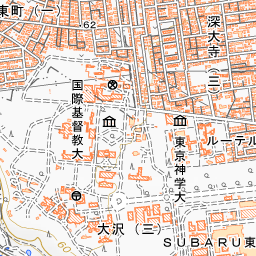
Spot location © OpenStreetMap contributors (ODbL)
Open in Google MapsUse asobot while you walk
- See where you are on the map and find spots nearby
- Listen to the guide's audio in course order, one after another (with subtitles)
- Walk to the next spot while following the map
Open on your phone
Scan to open this spot in asobot on your phone.