 ✨ AI Generated
Roka Koshun-en Park
Japanese: 蘆花恒春園
Setagaya City, Tokyo
This information was written by AI and may contain mistakes. Please check official sources for opening hours, fees, and other details before you go.
Found a mistake? Let us know with “✏️ Something's wrong” on this spot's screen in asobot →
🎧 Audio guide(1:00)
In short
Roka Koshun-en Park is a Tokyo metropolitan park centered around the mixed woodlands of Musashino and the former residence where Tokutomi Roka, a literary master of the Meiji and Taisho periods, spent approximately 20 years. Roka's thatched-roof dwelling, known for his lifestyle of "farming in fine weather and reading on rainy days," still remains, and the area containing the former residence is designated as a Tokyo Historic Site.
- Thatched-roof main house and studies: The residential buildings that Roka named "Koshun-en" are preserved as the main house, Shusui Shoin, and Baika-shooku.
- Bamboo grove planted by Roka: The grove of moso bamboo and mixed woods of kunugi (sawtooth oak) and konara oak recall the traces of Musashino that Roka loved.
- Flower Hill: Seasonal flowers bloom throughout the year, including Takato-kohigan cherry blossoms gifted from Takato Town in Nagano Prefecture, wisteria trellises, and a bush clover tunnel.
History and Highlights
Tokutomi Roka was a literary master active from the Meiji to Taisho periods. In 1907 (Meiji 40), he moved from Aoyama, Tokyo, to Kasuya in Chitose Village, which was still an overgrown rural area at the time. Seeking to be close to nature and embody the joy of living from the land, he led a semi-agrarian lifestyle influenced by Tolstoy. Roka named his home "Koshun-en" and penned Mimizu no Tawakoto ("Ramblings of an Earthworm"), which he described as "sketches of rural life," at this site.
Roka passed away in 1927 (Showa 2) at Ikaho Onsen while recuperating. The former residence was subsequently donated to the City of Tokyo by his wife, Aiko, and opened as Roka Koshun-en Park on February 27, 1938 (Showa 13).
The park is broadly divided into the Koshun-en Area, which contains buildings associated with Roka, and the Open Area. The cluster of former residence buildings, the memorial hall, and the surrounding garden area were designated as a Tokyo Historic Site in March 1986 (Showa 61).
Highlights for Viewing and Experiencing
- Main House, Shusui Shoin, and Baika-shooku: In the Koshun-en Area, the houses from the time Roka lived here remain as his former residence. The thatched-roof main house, Shusui Shoin, and Baika-shooku, combined with the surrounding bamboo groves and mixed woods, recall the traces of Musashino that Roka loved.
- Roka Memorial Hall and Bamboo Grove: The memorial hall was built in 1959 (Showa 34) to house relics such as personal belongings, works, manuscripts, letters, and farming tools that were donated along with the estate grounds, and it displays some of these items. Within the park, there is also a moso bamboo grove planted by Roka.
- The Couple's Grave: Following a small path to the east of Koshun-en leads to the graves of Roka and his wife, Aiko. It is a natural stone gravestone inscribed by Roka's eldest brother, Tokutomi Soho, surrounded by a grove of sawtooth oak trees.
Walking Tips
It is about a 15-minute walk from Roka-koen Station on the Keio Line. After viewing the former residence and memorial hall in the Koshun-en Area, take the small path to the east to visit the couple's grave. Within the park, there is a grassy lawn surrounded by mixed woodlands, an athletic exercise area along Kan-pachi Dori Avenue, and a playground area popular with children. In the Flower Hill area, in addition to the Takato-kohigan cherry blossoms, visitors can enjoy wisteria trellises, a bush clover tunnel, and seasonal blooms in five central flowerbeds, such as cosmos, sunflowers, and rapeseed blossoms. Some visitors also combine a trip to the Koshun-en Area with a visit to the Setagaya Literary Museum.
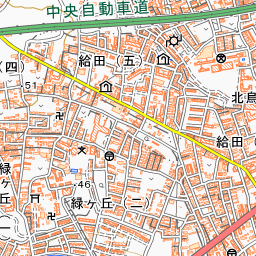
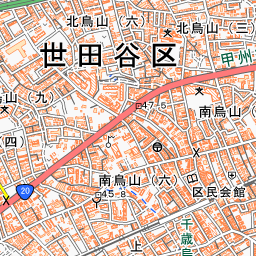
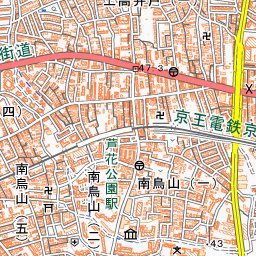
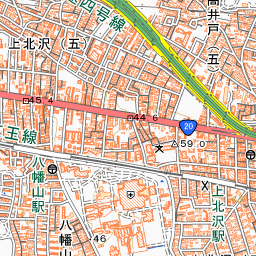

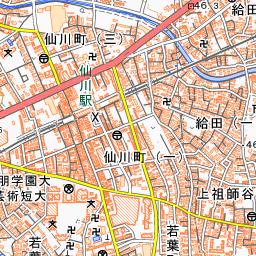
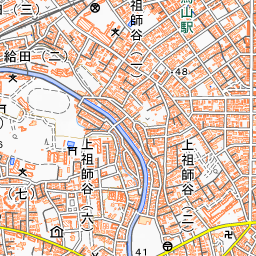
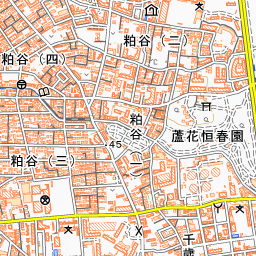
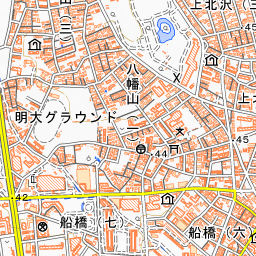

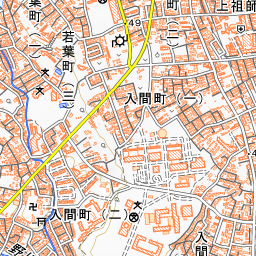
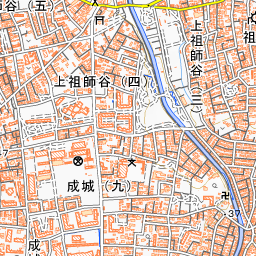
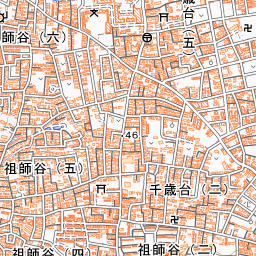
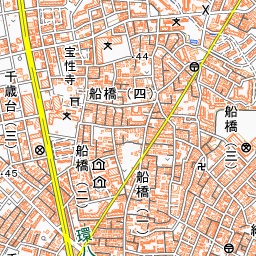

Spot location © OpenStreetMap contributors (ODbL)
Open in Google MapsUse asobot while you walk
- See where you are on the map and find spots nearby
- Listen to the guide's audio in course order, one after another (with subtitles)
- Walk to the next spot while following the map
Open on your phone
Scan to open this spot in asobot on your phone.