
Former Tokyo Music School Sogakudo
Japanese: 旧東京音楽学校奏楽堂
Taito City, Tokyo
This information was written by AI and may contain mistakes. Please check official sources for opening hours, fees, and other details before you go.
Found a mistake? Let us know with “✏️ Something's wrong” on this spot's screen in asobot →
🎧 Audio guide(1:02)
In short
The Former Tokyo Music School Sogakudo, built in 1890 as a school building for the Tokyo Music School, is Japan's oldest Western-style music hall. In the second-floor hall, Taki Rentaro once played the piano, and Yamada Kosaku sang vocal pieces. Designated as an Important Cultural Property of Japan, it continues to host concerts today as a "living cultural property."
- Second-floor music hall: A wooden hall featuring a stepped, sloping floor. It is the stage where Miura Tamaki made her debut in the first opera performance by Japanese artists.
- Pipe organ: Located at the front of the stage, it is the oldest pipe organ for concert use in Japan. It has 1,379 pipes, and visitors can still listen to its performances today.
- Statue of Taki Rentaro: Standing in the front garden, this is a work by Asakura Fumio. It is said that Asakura created it based on the features of Rentaro around the age of 11.
History and Highlights
The Former Tokyo Music School Sogakudo was built in 1890 (Meiji 23) as a school building for the Tokyo Music School, the predecessor to the Faculty of Music at Tokyo University of the Arts. The building has played a central role in Japan's music education.
The second-floor music hall is the stage where Taki Rentaro once played the piano, Yamada Kosaku sang vocal pieces, and Miura Tamaki made her debut in the first opera performance by Japanese artists. It is also the hall where numerous masterpieces by composers such as Mozart and Beethoven were performed for the first time in Japan.
In the late 1960s and early 1970s (the Showa 40s), nearly 80 years after its construction, the deterioration of the building became noticeable, and a plan arose to relocate the school building outside Tokyo. In 1983, Taito City took ownership of it from Tokyo University of the Arts, and in 1987, it was relocated and reconstructed at its current site and opened to the public. The following year, in 1988, it was designated as an Important Cultural Property as a school building housing Japan's oldest Western-style music hall. It was closed from 2013 for seismic retrofitting, preservation repairs, and pipe organ restoration, and reopened after renovation in November 2018.
Appreciation and Experience Points
- Second-floor music hall: A wooden hall. It features a stepped sloping floor, a low ceiling combined with a vaulted ceiling, and numerous windows, giving it a shape that differs significantly from typical concert halls.
- Pipe organ: Located at the front of the stage, it is the oldest pipe organ for concert use in Japan. Marquis Tokugawa Yorisada purchased it from the United Kingdom in 1920 and donated it to the Tokyo Music School in 1928. It has 1,379 pipes and features a pneumatic mechanism that is rare today.
- Statue of Taki Rentaro and musical materials: The statue of Taki Rentaro in the front garden is a work by the sculptor Asakura Fumio. Both hailed from the same home prefecture of Oita, and it is said that Asakura created it based on the features of Rentaro around the age of 11. The facility also houses musical materials related to Motoori Nagayo, who composed children's songs such as "Akai Kutsu" (Red Shoes) and "Nanatsu no Ko" (Seven Little Children).
Visiting Tips
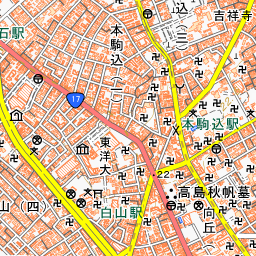
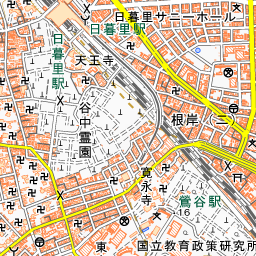
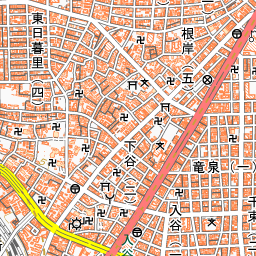
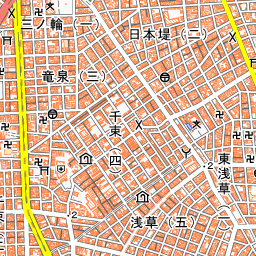
It is about a 10-minute walk from the Park Exit of JR Ueno Station. It is about a 15-minute walk from Tokyo Metro Ueno Station and Keisei Ueno Station. If taking Taito City's "Tozai Megurin" circular bus, get off at "Former Tokyo Music School Sogakudo" and walk for 1 minute.
As a "living cultural property," it hosts events such as Sunday concerts featuring the pipe organ and harpsichord. The building has designated public opening days, and photography inside the hall is not permitted while the stage is in use. Because it is a Meiji-period structure, it is not barrier-free. The Tokyo Metropolitan Art Museum is about 100 meters to the south, and the International Library of Children's Literature is about 180 meters to the north-northeast.


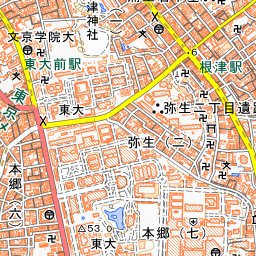

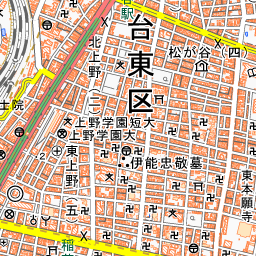

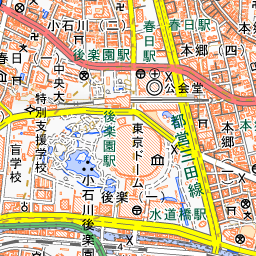
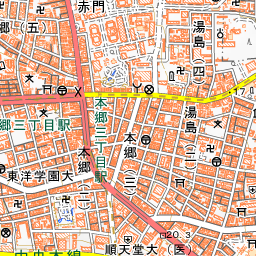


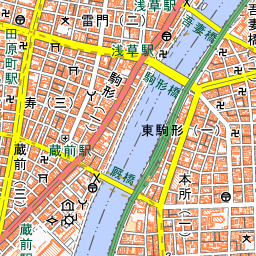
Spot location © OpenStreetMap contributors (ODbL)
Open in Google MapsUse asobot while you walk
- See where you are on the map and find spots nearby
- Listen to the guide's audio in course order, one after another (with subtitles)
- Walk to the next spot while following the map
Open on your phone
Scan to open this spot in asobot on your phone.