
Kameyama Castle Ruins (Kameoka Castle)
Japanese: 亀山城跡(亀岡城)
Kameoka, Kyoto
This information was written by AI and may contain mistakes. Please check official sources for opening hours, fees, and other details before you go.
Found a mistake? Let us know with “✏️ Something's wrong” on this spot's screen in asobot →
🎧 Audio guide(1:06)
In short
These are the remains of Tamba Kameyama Castle, built by Akechi Mitsuhide. Around 1577 (Tensho 5), Mitsuhide built this castle as a base to conquer Tamba, and it is said that he departed from this castle for the Honno-ji Incident of 1582 (Tensho 10).
- Moss-Covered Stone Walls: The stone walls around the remains of the inner moat and the honmaru (main bailey) evoke the image of the castle as it once stood. The religious organization Oomoto acquired the castle ruins, restored the stone walls and other parts, and continues to preserve the site carefully today
- Engraved Marks on the Stone Walls: Some of the stones retain engraved marks carved by the daimyo who were responsible for transporting stones during the tenkabushin construction of 1610 (Keicho 15)
- Rules for Visiting: The castle ruins are located within the grounds of the Oomoto headquarters. Apply at the general reception of the Miroku Kaikan and purchase an admission ticket before entering. Entry and photography are prohibited in the area where the tenshudai (keep foundation) once stood and around the Ichodai area
History and Highlights
Kameyama Castle Ruins (Kameoka Castle) are the remains of Tamba Kameyama Castle, built by Akechi Mitsuhide. Until the Edo period, the town of Kameoka was called "Kameyama" and served as the center of politics, economy, and culture in Tamba.
Around 1577 (Tensho 5), Mitsuhide built this castle on Mount Aratsuka, which overlooks the Hozu River to the north, as a base to conquer Tamba under the orders of Oda Nobunaga. He relocated people from surrounding villages to build a castle town and pacified Tamba in 1579 (Tensho 7). It is said that Mitsuhide departed for the Honno-ji Incident of 1582 (Tensho 10) from this castle.
Afterward, the castle underwent repeated repairs. In 1610 (Keicho 15), during the reign of Okabe Nagamori as castle lord, it was established as an early modern castle through tenkabushin, a system where various daimyo were assigned construction work. The castle design was overseen by Todo Takatora, known as a master castle builder, and a five-story layered-tower-style tenshu (keep) was built. The castle was protected by three layers of moats—the inner moat, outer moat, and surrounding moat (sobori)—and defensive measures were devised, such as hook-shaped turns in the roads of the castle town.
After the Meiji Restoration, the buildings were demolished under the Castle Abolition Edict. The dilapidated castle ruins were acquired by the religious organization Oomoto, which restored the stone walls and continues to preserve the site carefully today.
Viewing and Experience Highlights
- Moss-Covered Stone Walls: You can see the stone walls around the remains of the inner moat and the honmaru (main bailey). The moss-covered stone walls evoke the image of the castle as it once stood.
- Engraved Marks on the Stone Walls: Some of the stones retain engraved marks carved by the daimyo who were responsible for transporting stones during the tenkabushin construction. It is also enjoyable to walk around looking for which clan each mark belonged to.
- Remnants of the Castle Town: Around the castle once spread the castle town that Mitsuhide created by gathering people. The roads of the castle town were built with hook-shaped turns to make it difficult for enemies to attack. Enjoy searching for these remnants as you stroll through the town today.
Tips for Visiting
The Kameyama Castle Ruins are located within the grounds of the Oomoto headquarters. To tour the site, apply at the general reception of the Miroku Kaikan at the Oomoto headquarters and purchase an admission ticket before entering. Entry and photography are prohibited in the area where the tenshudai (keep foundation) once stood and around the Ichodai area with its large ginkgo tree. Please follow the guidance and tour quietly.
If you are visiting sites associated with Mitsuhide, consider also visiting Kokusho-ji Temple, where Mitsuhide's head mound is located.
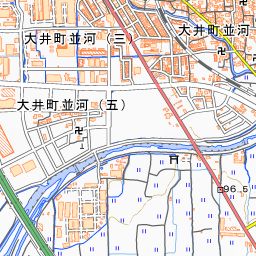


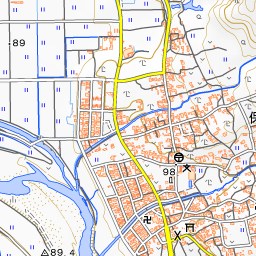
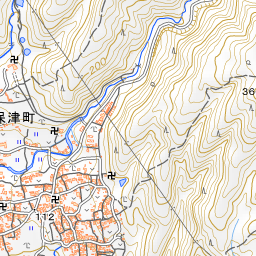
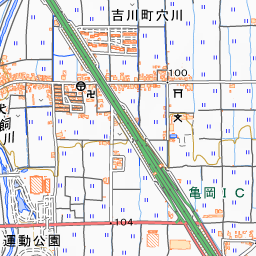
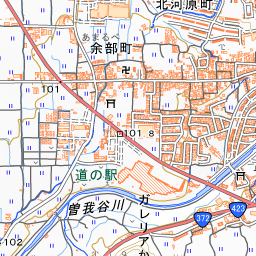
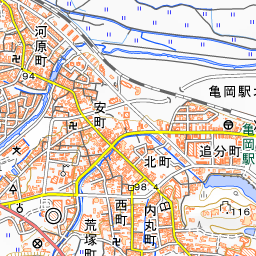
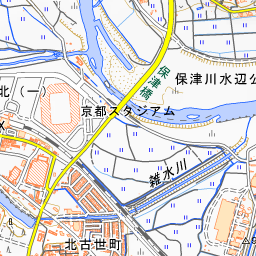
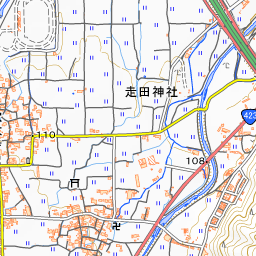
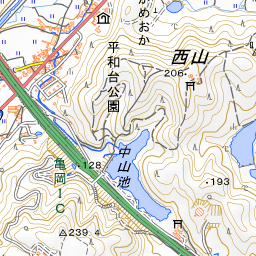
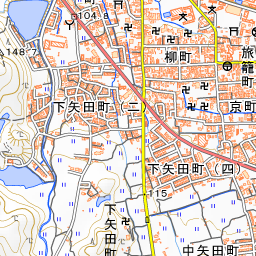
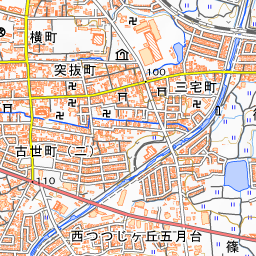

Spot location © OpenStreetMap contributors (ODbL)
Open in Google MapsUse asobot while you walk
- See where you are on the map and find spots nearby
- Listen to the guide's audio in course order, one after another (with subtitles)
- Walk to the next spot while following the map
Open on your phone
Scan to open this spot in asobot on your phone.