 ✨ AI Generated
Ruriko-in Temple
Japanese: 瑠璃光院
Sakyo Ward, Kyoto
This information was written by AI and may contain mistakes. Please check official sources for opening hours, fees, and other details before you go.
Found a mistake? Let us know with “✏️ Something's wrong” on this spot's screen in asobot →
🎧 Audio guide(1:08)
In short
A temple of the Jodo Shinshu sect of Buddhism located in Yase, Kyoto, at the foot of Mt. Hiei, whose formal name is Muryojusan Komyoji Kyoto Hon-in Ruriko-in. Visitors normally cannot enter the grounds, as the temple is open for viewing only during special opening periods in spring, summer, and autumn.
- Fresh Green and Autumn Leaves Reflected on Desks and Floors: The scenery of the garden's maples reflected on the desks and floors of the shoin (study hall) is well known. Fresh green maples from spring to summer, and colorful autumn foliage in autumn, are reflected on the polished desks and floors
- Ruri-no-Niwa and Garyu-no-Niwa Gardens: In the "Ruri-no-Niwa," the main garden in front of the shoin, a single stream traces an elegant curve as it flows through an expansive carpet of moss. The "Garyu-no-Niwa" garden treats a large rock across the pond as a dragon's head
- Sukiya-zukuri Buildings and Kikaku-tei: A hermitage named "Kikaku-tei" by Sanjo Sanetomi in the Meiji period still remains today, and from the Taisho period to the early Showa period, it was extensively renovated into the sukiya-zukuri style. The master carpenter was Nakamura Sotoji, acclaimed as a master of Kyoto sukiya-zukuri architecture
History and Highlights
Ruriko-in Temple is a temple of the Jodo Shinshu sect of Buddhism located in Yase, Kyoto, at the foot of Mt. Hiei. Its formal name is Muryojusan Komyoji Kyoto Hon-in Ruriko-in. Visitors normally cannot enter the grounds, as the temple is open for viewing only during special opening periods in spring, summer, and autumn.
Ruri (lapis lazuli) is one of the seven treasures said to adorn the Pure Land and is considered the color of the Pure Land. The temple was given this name because its main garden, covered in layers of moss with a clear natural spring, was thought to shine in a lapis lazuli hue. The principal image, a standing statue of Amida Nyorai, is said to date from the Muromachi period.
On this site stands a hermitage that was named "Kikaku-tei" in the Meiji period by the court noble Sanjo Sanetomi, which still remains today. From the Taisho period to the early Showa period, it was extensively renovated into a sukiya-zukuri style structure totaling 240 tsubo (approx. 793 m²), and a garden incorporating natural borrowed scenery was created. The master carpenter responsible for the building was Nakamura Sotoji, acclaimed as a master of Kyoto sukiya-zukuri architecture, while the garden is said to be the work of the Sano Toemon lineage. Today, sukiya-zukuri buildings and gardens are laid out across grounds of roughly 12,000 tsubo (approx. 40,000 m²).
Viewing and Experience Highlights
- Fresh Green and Autumn Leaves Reflected on Desks and Floors: The scenery of the garden's maples reflected on the desks and floors of the shoin (study hall) is widely renowned. Fresh green maples from spring to summer, and colorful autumn foliage in autumn, are reflected on the polished desks and floors.
- Ruri-no-Niwa and Garyu-no-Niwa Gardens: In the "Ruri-no-Niwa", the main garden in front of the shoin, a gentle stream traces an elegant curve as it flows through an expansive carpet of moss. The "Garyu-no-Niwa" garden treats a large rock across the pond as a dragon's head, representing a gigantic dragon encircling the residence lying low to protect this land.
- Yamaroji-no-Niwa Garden and Kikaku-tei Teahouse: In the "Yamaroji-no-Niwa", a teahouse and a thirteen-story stone pagoda peek out from a moss-covered garden, where several dozen varieties of maple vie for beauty with vibrant fresh greenery in spring and rich brocades in autumn. The teahouse "Kikaku-tei" is a tea room designed in the favored aesthetic of Kakukakusai Genso, the sixth-generation head of the Sen family.
Walking Tips
According to legend, Prince Oama (later Emperor Tenmu) healed his wounds in a kama-buro (kiln-style steam bath) in Yase after being wounded in the back by an arrow during the Jinshin War of 672, and the area came to be called "Yase" (meaning "arrow back") from this story. At Ruriko-in Temple, visitors can also view this Yase specialty steam bath. Walking along the clear waters of the Takano River from the Yase-Hieizanguchi Station on the Eizan Electric Railway and crossing a bridge, the temple gate comes into view. In conjunction with the special opening periods, a museum located in a corner of Ruriko-in Temple exhibiting works by French Art Deco painter Louis Icart also opens to visitors.
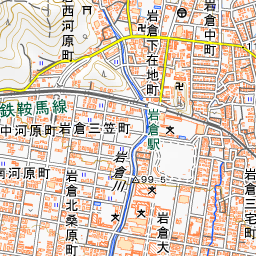
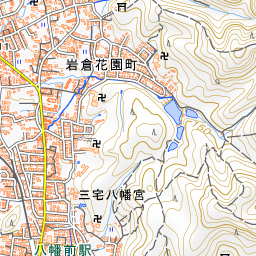
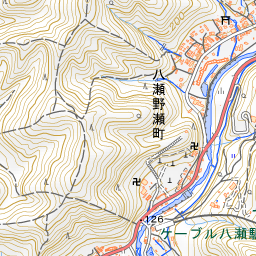
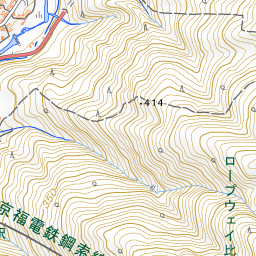
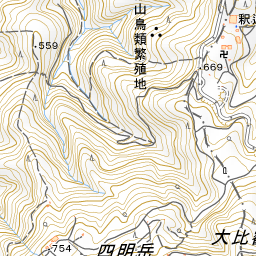
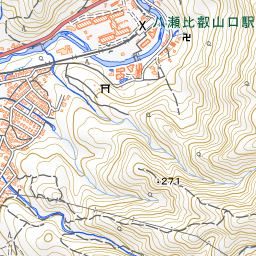
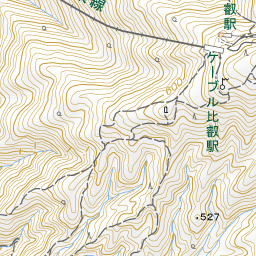
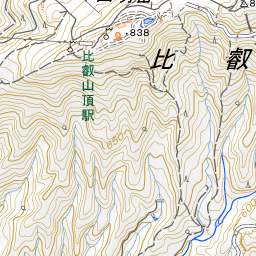
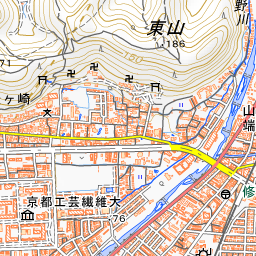

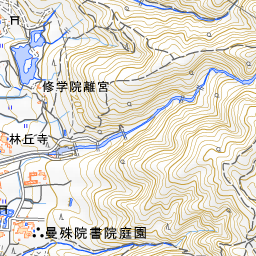
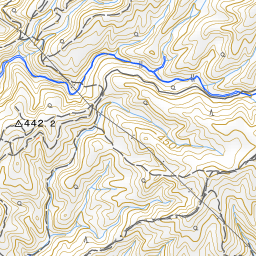
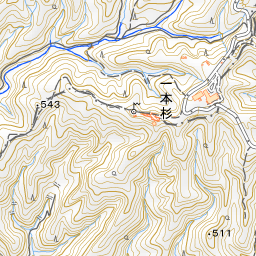
Spot location © OpenStreetMap contributors (ODbL)
Open in Google MapsGuides that include this spot (1)
Use asobot while you walk
- See where you are on the map and find spots nearby
- Listen to the guide's audio in course order, one after another (with subtitles)
- Walk to the next spot while following the map
Open on your phone
Scan to open this spot in asobot on your phone.