 ✨ AI Generated
Zenrin-ji Temple
Japanese: 禅林寺
Mitaka, Tokyo
This information was written by AI and may contain mistakes. Please check official sources for opening hours, fees, and other details before you go.
Found a mistake? Let us know with “✏️ Something's wrong” on this spot's screen in asobot →
🎧 Audio guide(1:10)
In short
Zenrin-ji Temple is an Obaku Zen Buddhist temple located in Shimorenjaku, Mitaka City. On the temple grounds are the graves of writers Dazai Osamu and Mori Ogai, both of which are designated historic sites of Mitaka City. On June 19, the date of Dazai's birth, the "Oto-ki" memorial service is held, drawing many fans to his gravesite every year.
- Graves of Dazai Osamu and Mori Ogai: In his novella Hanafubuki, Dazai wrote about Ogai's grave at Zenrin-ji Temple. Following his death, Dazai was buried near Ogai's grave.
- Plaque Penned by Zen Master Ingen: The framed calligraphy plaque on the Sanmon gate was brushed by Zen Master Ingen, the founder of the Obaku sect. Be sure to look up before passing through the gate.
- Connection to Mitaka Station: Near the end of the Taisho era, this area was farmland. Zenrin-ji Temple petitioned for a train station to be built and donated 750 tsubo of temple land for the station grounds, leading to the opening of Mitaka Station in 1930.
History and Highlights
Zenrin-ji Temple is an Obaku Zen Buddhist temple in Shimorenjaku, Mitaka City, with the mountain name (sango) Reisen-zan. Its beginnings trace back to a massive fire in Edo. Following the Great Fire of Meireki in 1657 (Meireki 3), Kanda Renjaku-cho was designated as a firebreak zone (hiyokechi), and 25 displaced households moved to this area as pioneer farmers. This was the beginning of present-day Shimorenjaku in Mitaka City.
These settlers petitioned the shogunate to establish a temple, welcoming Matsunobo, an affiliate sub-temple of Tsukiji Hongwanji Temple in Edo. In August 1699 (Genroku 12), when the structures collapsed in a typhoon, the villagers requested Zen Master Kenshu Genyo of the Obaku sect to rebuild the temple. In December of the 13th year of Genroku, it was renamed Obakushu Reisen-zan Zenrin-ji, becoming a direct branch temple (jikimatsuji) of the Obaku head temple Manpuku-ji, which it remains to this day.
Zenrin-ji Temple also has a close connection with Mitaka Station. Toward the end of the Taisho era, this area was farmland, and residents had to use Kichijoji Station to travel into central Tokyo. For the convenience of the people, Zenrin-ji Temple petitioned for a station to be established and donated 750 tsubo of its land for the grounds. On June 25, 1930 (Showa 5), Mitaka Station was opened.
The grounds hold the graves of writers Dazai Osamu and Mori Ogai, both of which are historic sites of Mitaka City. Dazai mentioned Ogai's grave at Zenrin-ji Temple in his novella Hanafubuki. After his death, Dazai was laid to rest near Ogai's grave.
Sights and Experiences
- Graves of Dazai Osamu and Mori Ogai: Dazai passed away on June 13, 1948 (Showa 23), and Ogai passed away on July 9, 1922 (Taisho 11). On June 19, Dazai's birthday, the "Oto-ki" memorial brings many fans to his grave each year. On Ogai's death anniversary, July 9, the Ogai-ki memorial service is held annually.
- Mori Ogai Will Monument: A stone monument inscribed with Ogai's last will. Erected in 1970 (Showa 45), it was designed by Taniguchi Yoshiro.
- Sanmon Gate Plaque: The framed plaque hanging on the Sanmon gate features calligraphy by Zen Master Ingen, the founder of the Obaku sect. Take a moment to look up before walking through the gate.
Tips for Exploring
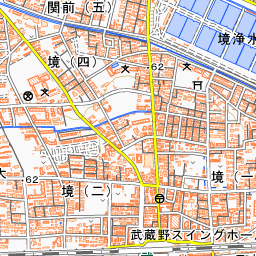
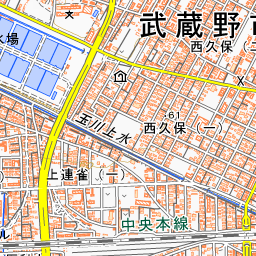
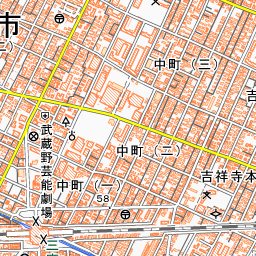
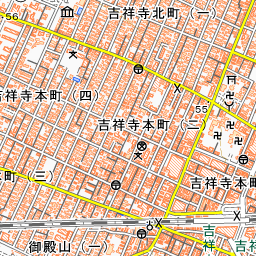
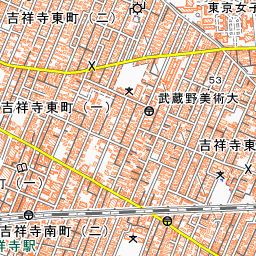
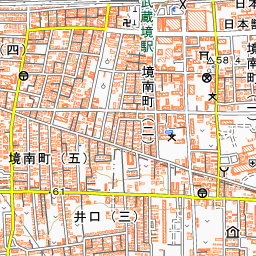
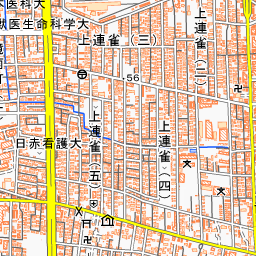
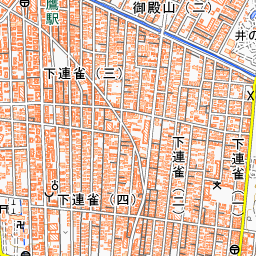
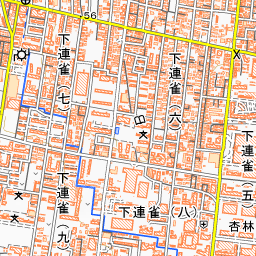
The entrance to Zenrin-ji Temple faces Renjaku-dori Street. It is about a 10-minute walk from the South Exit of JR Mitaka Station. On the grounds, there are also memorial towers dedicated to victims of the Great Fire of Meireki and the Mitaka Incident. As the graveyard is a place of prayer and mourning, please walk quietly. Located about 680 meters to the north, the Dazai Osamu Literary Salon features resident volunteer guides who tell visitors about Dazai's life and his connection to Mitaka. Stopping by before or after visiting the graves provides a deeper understanding of the relationship between Dazai and Mitaka.
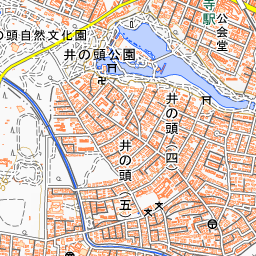
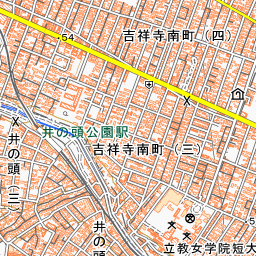
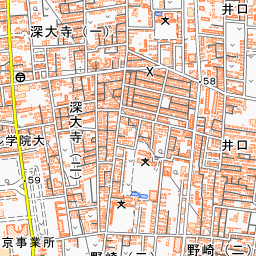
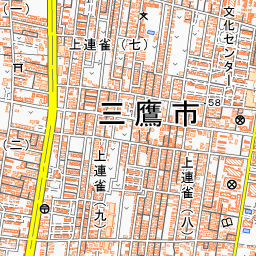
Spot location © OpenStreetMap contributors (ODbL)
Open in Google MapsUse asobot while you walk
- See where you are on the map and find spots nearby
- Listen to the guide's audio in course order, one after another (with subtitles)
- Walk to the next spot while following the map
Open on your phone
Scan to open this spot in asobot on your phone.