 ✨ AI Generated
Nara Prefectural Museum of Folklore
Japanese: 奈良県立民俗博物館
Yamatokoriyama, Nara
This information was written by AI and may contain mistakes. Please check official sources for opening hours, fees, and other details before you go.
Found a mistake? Let us know with “✏️ Something's wrong” on this spot's screen in asobot →
🎧 Audio guide(0:56)
In short
The Nara Prefectural Museum of Folklore collects, preserves, and exhibits folk tools and everyday items that have been used by the people living in Nara. Opened in 1974, it is located within Yamato Folk Park at the foot of the Yata Hills. The park features a collection of traditional Edo-period houses relocated from various parts of the prefecture.
- Hamlets of Traditional Houses: Fifteen traditional houses built between the 18th and 19th centuries are grouped into four hamlets: Machiya (townhouses), Kuninaka (plains), Uda/Higashiyama, and Yoshino.
- Access to the Earthen Floor: Visitors can not only view the traditional houses from the outside but can also step inside to explore the doma (earthen-floor area).
- Satoyama and Seasonal Flowers: Spanning approximately 26.6 hectares, the park preserves a satoyama (rural landscape) and includes a plum grove and an iris garden.
History and Highlights
The Nara Prefectural Museum of Folklore opened in 1974. It gathers, preserves, and displays folk tools and everyday implements that the people living in Nara developed within their local environment and continued to use through repeated improvements and innovations.
The museum is located inside Yamato Folk Park, which spreads out at the foot of the Yata Hills. The park covers an area of approximately 26.6 hectares. The main building's permanent exhibition introduces Nara's lifestyle and tools across four themes: "Four Seasons in Agricultural Villages," "The Relationship between Rivers and People," "Regional Craftsmanship," and "Life in the Past." Rice cultivation in the Nara Basin, tea cultivation in the Yamato Plateau, and forestry in the Yoshino Mountains are featured as key representatives. Please note that the main building is currently closed for facility renovations and other work, and is scheduled to reopen in fiscal year 2027 (as of November 2026). The traditional houses remain open for viewing during this period.
The 15 traditional houses in the park were built across various parts of Nara Prefecture between the 18th and 19th centuries. They were relocated and reconstructed into four distinct hamlets corresponding to their original regions: Machiya, Kuninaka, Uda/Higashiyama, and Yoshino. Visitors can compare different regional architectural styles, such as thatched roofs. Three of the 15 buildings are designated as National Important Cultural Properties.
Viewing and Experience Points
- From Townhouses to Mountain Village Homes: The Machiya Hamlet features the Former Usui Family Residence from Kami-Tosa in Takatori Town, while the Uda/Higashiyama Hamlet features the Former Iwamoto Family Residence from what is now Muro-Kuroiwa in Uda City. Both are National Important Cultural Properties. The Yoshino Hamlet includes the Former Kimura Family Residence, which was relocated from Totsukawa Village.
- Entering the Houses: Visitors can not only admire the traditional houses from the outside, but can also step inside to the doma (earthen floor) to look around. Sitting on the engawa (veranda) and taking in the surrounding scenery is also a pleasant way to spend time.
- Park Flowers and Satoyama: The park preserves a satoyama landscape and also features a plum grove and an iris garden. You can enjoy seasonal blossoms such as cherry blossoms, plum blossoms, and Japanese irises.
Tips for Exploring
Take a Nara Kotsu bus from either Kintetsu-Koriyama Station or the East Exit of JR Yamato-Koizumi Station, get off at "Yata Higashiyama," and walk from there. Inside the park, start by touring the traditional houses in each hamlet to compare the differences in roof styles and the size of the earthen floors. Afterward, walking through the plum grove and iris garden allows you to take a breather amid the satoyama scenery. Yata-dera Temple, known for its hydrangeas, is located about 1.7 kilometers west-southwest on the slopes of Mt. Yata and can be visited together.
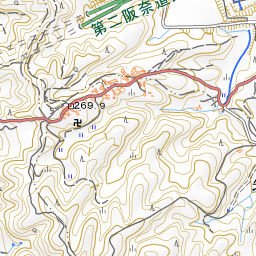

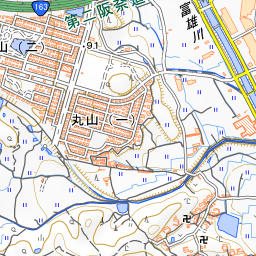
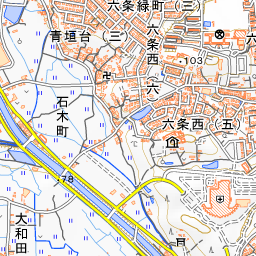
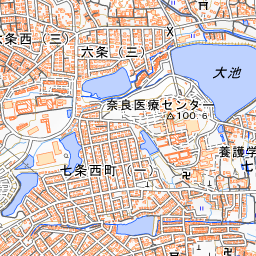
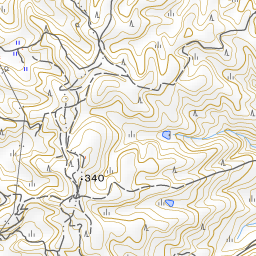
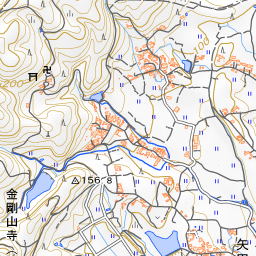
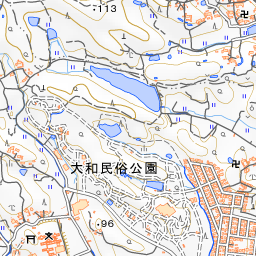
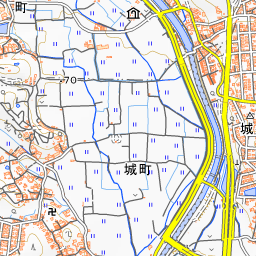
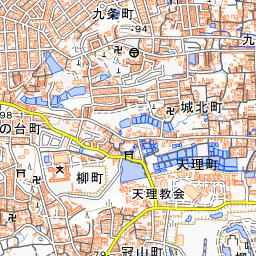
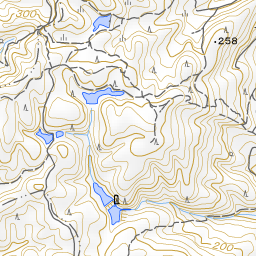
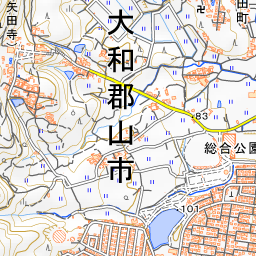
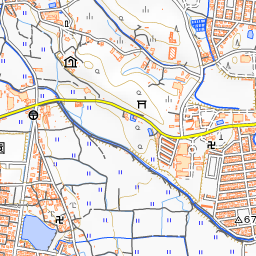
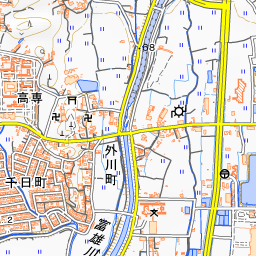
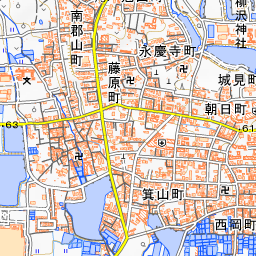
Spot location © OpenStreetMap contributors (ODbL)
Open in Google MapsUse asobot while you walk
- See where you are on the map and find spots nearby
- Listen to the guide's audio in course order, one after another (with subtitles)
- Walk to the next spot while following the map
Open on your phone
Scan to open this spot in asobot on your phone.