 ✨ AI Generated
Edogawa City Natural Zoo
Japanese: 江戸川区自然動物園
Edogawa City, Tokyo
This information was written by AI and may contain mistakes. Please check official sources for opening hours, fees, and other details before you go.
Found a mistake? Let us know with “✏️ Something's wrong” on this spot's screen in asobot →
🎧 Audio guide(0:59)
In short
Edogawa City Natural Zoo is a zoo located inside Gyosen Park in Kita-Kasai, Edogawa City. It opened in 1983 (Showa 58) on the site of a former swimming pool in the park. The facility is home to approximately 60 species of animals and features an interactive corner where visitors can come into direct contact with familiar animals.
- Interactive Corner: Visitors can pet and hold animals such as goats, sheep, guinea pigs, and Japanese bantam chickens.
- Animals Large and Small: The zoo houses a wide variety of animals, ranging from South American sea lions weighing over 100 kilograms to prairie dogs and Japanese squirrels. Popular red pandas also live here.
- Heisei Garden: Located within the same park, this lush Japanese garden surrounds a pond, where visitors can enjoy seasonal scenery such as cherry blossoms, azaleas, Japanese irises, and Japanese maples.
History and Highlights
Edogawa City Natural Zoo opened on May 5, 1983, on the site of a former swimming pool in Gyosen Park. The zoo was created to meet the expectations of children who were looking forward to interacting with guinea pigs, rabbits, and chickens. Its founding goal was "to foster rich hearts that love nature in children."
Around 60 species of animals live in the zoo. They range from large animals like South American sea lions weighing over 100 kilograms to small creatures such as prairie dogs and Japanese squirrels. Popular red pandas, agile Bennett's wallabies, and Humboldt penguins are also kept here.
The name Gyosen Park comes from "Gyosen," the trade name of Tanaka Gen, a local resident who donated the land for the park. The donation took place in 1933 (Showa 8), and the site was transferred to Edogawa City in 1950 (Showa 25) to be developed as a park. In March 1989 (Heisei 1), the northern section of the park was comprehensively renovated, and the Heisei Garden opened.
Viewing and Experience Points
- Interactive Corner: Visitors can pet and hold goats, sheep, guinea pigs, and Japanese bantam chickens. Entry is conducted on a rotation system, with admission tickets distributed on a first-come, first-served basis at the service center window next to the zoo's main gate. It is closed on rainy days and during the summer.
- Giant Anteaters and South American Sea Lions: Giant anteaters have no teeth at all. Because the zoo cannot provide the 30,000 ants they would eat in a single day, they are fed a special mixture of horse meat, grasshoppers, dog food, and other ingredients, served as a paste or fine granules. Feeding time for the South American sea lions doubles as training time. Hand signs are used to have them open their mouths or raise their flippers, assisting in their health management.
- Heisei Garden and Genshin-an: Heisei Garden is a traditional Japanese garden designed in the tsukiyama chisen kaiyushiki (pond-strolling garden with artificial hills) style surrounding a pond. Along the walking paths around the pond, visitors can enjoy cherry blossoms, azaleas, Japanese irises, and Japanese maples. Genshin-an is a sukiya-zukuri style building completed in April 1989, constructed in the style of an ukimido (floating hall) with a moon-viewing platform extending far out over the pond.
Walking Tips
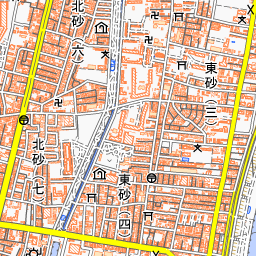
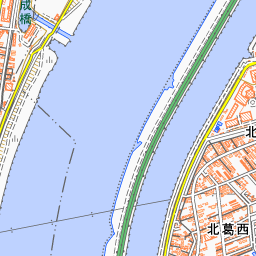
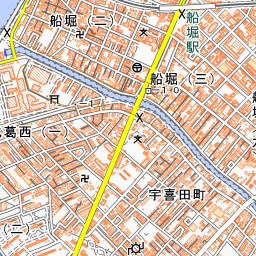
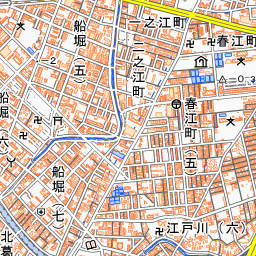
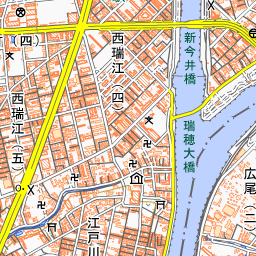
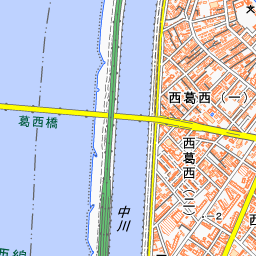
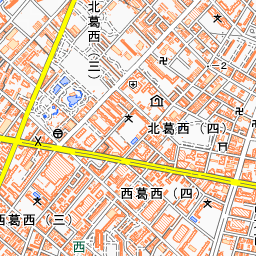
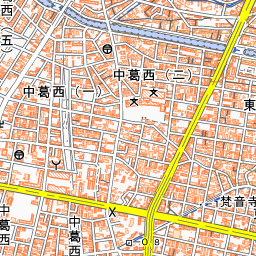
The zoo is a 15-minute walk from the North Exit of Nishi-Kasai Station on the Tokyo Metro Tozai Line, or a 20-minute walk from the South Exit of Funabori Station on the Toei Shinjuku Line. From the South Exit of Nishi-Kasai Station, it is also a 5-minute ride on the Toei Bus to the "Ukita" stop, right next to the zoo. Pets such as dogs and cats are not permitted inside. After touring the zoo, consider heading to Heisei Garden in the northern section of the park to walk around the pond. Inside the park, there are also a statue of the donor Tanaka Gen and a haiku monument to poet Ishida Hakyo. The Subway Museum is approximately 1.6 kilometers to the southeast. The General Recreation Park (Flower Garden) is approximately 2.7 kilometers to the southeast.

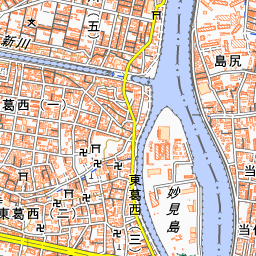

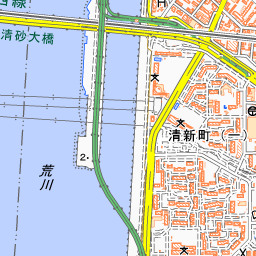
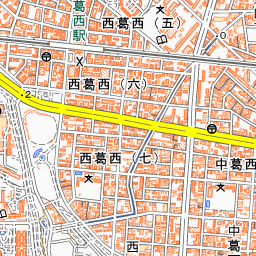
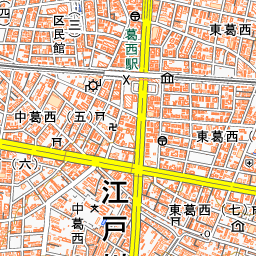
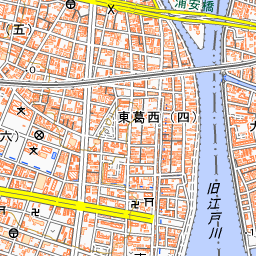
Spot location © OpenStreetMap contributors (ODbL)
Open in Google MapsUse asobot while you walk
- See where you are on the map and find spots nearby
- Listen to the guide's audio in course order, one after another (with subtitles)
- Walk to the next spot while following the map
Open on your phone
Scan to open this spot in asobot on your phone.