 ✨ AI Generated
Shoju-in Temple
Japanese: 正寿院
Ujitawara Town, Kyoto
This information was written by AI and may contain mistakes. Please check official sources for opening hours, fees, and other details before you go.
Found a mistake? Let us know with “✏️ Something's wrong” on this spot's screen in asobot →
🎧 Audio guide(1:16)
In short
A Koyasan Shingon Buddhist temple in Okuyamada, Ujitawara Town. It is said to have been founded in 1200 as a sub-temple of Iosan Iokyoji Temple. Because of the scenery of the summer Wind Chime Festival, it is also referred to as the "Wind Chime Temple."
- The Inome Window of the Guest Hall: A window modeled after the inome, a traditional Japanese pattern resembling a heart shape, through which the scenery outside changes color with the seasons. From August 20 to around mid-September, before 4 p.m., an inome-shaped shadow appears
- 160 Ceiling Paintings: The ceiling paintings of the guest hall depict flowers and Japanese scenery, and four portraits of maiko representing spring, summer, autumn, and winter are hidden among them
- Kaikei's Seated Statue of Fudo Myo'o: A work by Kaikei, a Buddhist sculptor of the Kamakura period, and a National Important Cultural Property. It is very rare and valuable for Kaikei, who was skilled at creating images of Nyorai with gentle, compassionate expressions, to make a wrathful figure of a Wisdom King
History and Highlights
Shoju-in Temple is a Koyasan Shingon Buddhist temple located in Okuyamada, Ujitawara Town. Its honorary mountain name is Jigenzan. It is said to have been founded about 800 years ago in 1200, during the second year of the Shoji era, as a sub-temple of Iosan Iokyoji Temple. Iokyoji was established in 717, the first year of the Yoro era, and is now an abandoned temple.
Slightly behind the temple is a small waterfall called Ryukoku, where rainmaking rituals were performed. It is said that whenever these rituals were held, a dragon deity would appear and bring blessed rain. For this reason, the temple was also called Ryukoku-ji. After suffering fires twice during the Sengoku period and the Edo period, it was revived in 1596, the first year of the Keicho era, by a monk named Yuin. During the Edo period, it functioned as a terakoya (temple school), where many children attended to learn arithmetic and morals.
The principal image of the Eleven-Headed Kannon is a town-designated cultural property from the late Kamakura period and a hidden Buddhist statue (hibutsu) that is unveiled only once every 50 years. Additionally, the wooden seated statue of Fudo Myo'o, a National Important Cultural Property, was created by Kaikei, a Buddhist sculptor of the Kamakura period. It is very rare and valuable for Kaikei, who was skilled at creating images of Nyorai (Tathagata) with gentle, compassionate expressions, to make a wrathful figure of a Wisdom King (Myo'o). The statue stands 45 centimeters tall and bears a close resemblance to the Fudo Myo'o statue at Sanbo-in Temple of Daigo-ji Temple, but its face and physique are rendered with greater youthfulness and fullness. Because of this, it is believed that it may have been created earlier than the statue at Sanbo-in Temple.
Viewing and Experience Highlights
- The Inome Window of the Guest Hall: In the "Sokuten-no-ma" room of the guest hall, there is an Inome window modeled after the traditional Japanese inome pattern, which resembles a heart shape. The inome pattern carries the meaning of warding off misfortune and inviting good fortune. Outside the window, the colors change with the seasons: cherry blossoms in spring, fresh greenery in summer, autumn foliage in fall, and snow in winter. From August 20 to around mid-September, before 4:00 p.m., the sun shines in to cast a heart-shaped shadow.
- 160 Ceiling Paintings: The ceiling of the guest hall is filled with 160 paintings depicting flowers and Japanese scenery, created with the cooperation of many Japanese-style painters. These were painted as a restoration of the ceiling paintings in the inner sanctuary of the main hall originally made 300 years ago, and four portraits of maiko representing spring, summer, autumn, and winter are hidden among them. Visitors can also view the Edo-period ceiling paintings of a seed-syllable mandala (shuji mandala) in the inner sanctuary of the main hall.
- Summer Wind Chime Festival: In summer, more than 2,000 wind chimes are hung on the temple grounds for the Wind Chime Festival. Because of the scenery of wind chimes ringing against the backdrop of tea fields, mountains, and the sky, it is also referred to as the "Wind Chime Temple."
Travel Tips
The area around Shoju-in Temple is a summer retreat that is about 5 degrees Celsius cooler in summer than central Kyoto City. About 1.6 km to the west lies the Birthplace of Nagatani Soen, making it easy to visit both sites together.


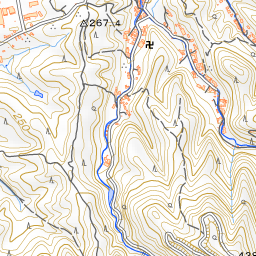


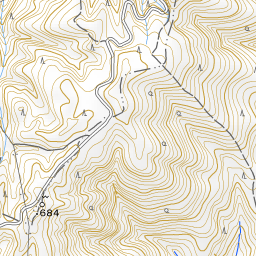
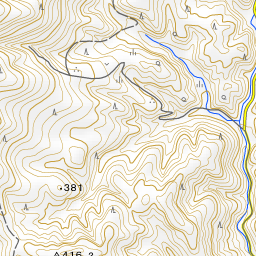
Spot location © OpenStreetMap contributors (ODbL)
Open in Google MapsGuides that include this spot (1)
Use asobot while you walk
- See where you are on the map and find spots nearby
- Listen to the guide's audio in course order, one after another (with subtitles)
- Walk to the next spot while following the map
Open on your phone
Scan to open this spot in asobot on your phone.