 ✨ AI Generated
Honzan-ji Temple
Japanese: 本山寺
Takatsuki, Osaka
This information was written by AI and may contain mistakes. Please check official sources for opening hours, fees, and other details before you go.
Found a mistake? Let us know with “✏️ Something's wrong” on this spot's screen in asobot →
🎧 Audio guide(0:58)
In short
A temple of the Tendai sect nestled in the quiet mountains of Takatsuki City, enshrining Bishamonten as its principal image. It is said to have been founded by En no Ozunu and established in the 5th year of Hoki (774) by Prince Kaijo. During the Sengoku period, Miyoshi Nagayoshi, as well as the father and son Takayama Tomoteru and Takayama Ukon, issued deeds confirming the temple's landholdings, and in the 1st year of Hoei (1704), a major restoration was carried out with the support of Keishoin.
- Important Cultural Property Buddhist Statues: The standing statue of Bishamonten and the standing statue of Sho Kannon in the main hall are national Important Cultural Properties. The standing statue of Sho Kannon is currently deposited at the Nara National Museum
- Pagodas on the Grounds and Temple Treasures: Passed down here are the hokyointo, a Tangible Cultural Property designated by the prefecture; the Honzan-ji Documents, which include letters from figures such as Takayama Ukon; and the Budomon Jitsugetsu Suzuri, an inkstone said to have been dedicated by Matsunaga Hisahide
- Ancient Forest Surrounding the Temple: Natural stands of fir, hemlock, and oak trees over 100 years old remain, and the Ministry of the Environment has selected the area encompassing Mt. Ponpon, Honzan-ji Temple, and Mt. Shakadake as an "Important Satochi-Satoyama"
History and Highlights
Honzan-ji Temple is a temple of the Tendai sect nestled in the quiet mountains of Takatsuki City. It enshrines Bishamonten as its principal image. It is said to have been founded by En no Ozunu and established in the 5th year of Hoki (774) by Prince Kaijo. Alongside Kabusan-ji Temple, legends tell that En no Gyoja visited this area after gazing from Mt. Katsuragi at trailing purple clouds, carved a statue of Bishamonten, and erected a hall, making it a historic mountain temple.
During the Sengoku period, Matsunaga Hisahide is said to have donated estates to the temple, and Miyoshi Nagayoshi, as well as the father and son Takayama Tomoteru and Takayama Ukon, issued deeds confirming the temple's landholdings. In the 8th year of Keicho (1603), Toyotomi Hideyori is said to have constructed various temple halls. During the Edo period, the temple received the devotion of the Nagai clan (the lords of Takatsuki Castle) and the Imperial Family. In the 1st year of Hoei (1704), a major restoration was carried out with the support of Keishoin, the birth mother of the 5th shogun, Tsunayoshi.
Sights and Experiences
- Important Cultural Property Buddhist Statues: The standing statue of Bishamonten and the standing statue of Sho Kannon in the main hall are designated as national Important Cultural Properties. The standing statue of Sho Kannon is currently deposited at the Nara National Museum.
- Pagodas on the Grounds and Temple Treasures: On the temple grounds are the Kaisan-do hall and Prince Kaijo's Isseki Ichiji Kyo Pagoda (a stupa over a sutra written one character per stone). Standing on the mountainside east of the main hall is a hokyointo (a type of stone pagoda), which is a Tangible Cultural Property designated by the prefecture. The Honzan-ji Documents, which include letters from individuals such as Takayama Ukon (known as a Christian daimyo), are municipal Tangible Cultural Properties, and an inkstone known as the Budomon Jitsugetsu Suzuri (an inkstone with grape, sun, and moon motifs), said to have been dedicated by Matsunaga Hisahide, has also been passed down.
- Ancient Forest Surrounding the Temple: The temple forest preserves natural stands of fir (momi), hemlock (tsuga), and oak trees over 100 years old. The surrounding area is designated as the Prefectural Honzanji Natural Environment Conservation Area, and the Ministry of the Environment has selected the area encompassing Mt. Ponpon, Honzan-ji Temple, and Mt. Shakadake as an "Important Satochi-Satoyama" (Important Bordering Social-Ecological Landscape).
Walking Tips
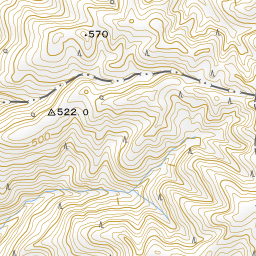
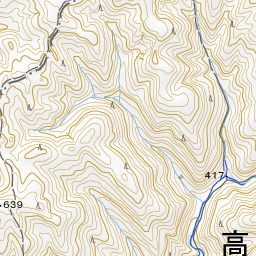
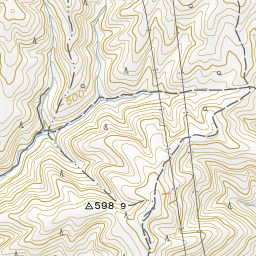
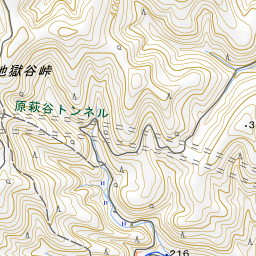
The temple is situated atop a mountain approximately 6 kilometers from the "Kabusanguchi" bus stop, and can be reached by climbing a mountain path for about 4.2 kilometers from Kabusan-ji Temple. The area surrounding the temple is also included in the courses of the Tokai Nature Trail and the Osaka Loop Nature Trail. Wearing comfortable walking shoes, visitors can enjoy a leisurely visit while savoring the clear mountain air and tranquility.





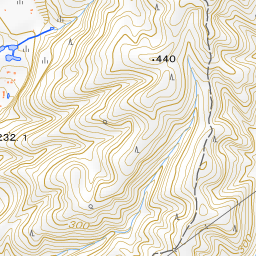
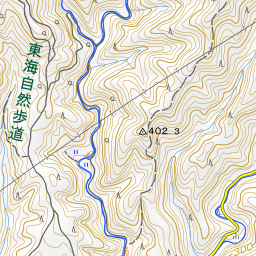

Spot location © OpenStreetMap contributors (ODbL)
Open in Google MapsUse asobot while you walk
- See where you are on the map and find spots nearby
- Listen to the guide's audio in course order, one after another (with subtitles)
- Walk to the next spot while following the map
Open on your phone
Scan to open this spot in asobot on your phone.