 ✨ AI Generated
Horikoshi-jinja Shrine
Japanese: 堀越神社
Tennoji Ward, Osaka
This information was written by AI and may contain mistakes. Please check official sources for opening hours, fees, and other details before you go.
Found a mistake? Let us know with “✏️ Something's wrong” on this spot's screen in asobot →
🎧 Audio guide(1:01)
In short
A shrine in Chausuyama-cho, Tennoji, affectionately known by the nickname "Horikoshi-san." It is said to have been founded by Prince Shotoku simultaneously with the construction of Shitenno-ji Temple, in commemoration of the virtue of his uncle, Emperor Sushun. It is one of the Tennoji Shichimiya, and it is said that the name "Horikoshi" came from worshipers visiting the shrine by crossing the moat that ran along the south side of the grounds until the middle of the Meiji period.
- Hito-yume Kigan (One-Dream Prayer): It has been handed down that "Horikoshi-san is a deity who grants one wish in a lifetime." You write only one wish on a strip of paper, place it into an amulet pouch, and carry the blessed amulet with you until the wish comes true
- Kumano Daiichi Oji no Miya: "Daiichi Oji no Miya," where pilgrims on the Kumano Pilgrimage are said to have worshiped before departing for Kumano, was merged into Horikoshi-jinja Shrine in 1915
- Chausuyama Inari-jinja Shrine and Chintaku Reifushin: Enshrined here are the deity of business prosperity, which moved to its current location after the Summer Campaign of the Siege of Osaka, and Dajo Shinsen Chintaku Reifushin, considered the originator deity of charms and amulets
History and Highlights
Horikoshi-jinja Shrine is a shrine located in Chausuyama-cho, Tennoji, affectionately known locally by the nickname "Horikoshi-san." It is said to have been founded during the reign of the 33rd Empress Suiko by the regent Prince Shotoku simultaneously with the construction of Shitenno-ji Temple, in commemoration of the virtue of his uncle, the 32nd Emperor Sushun. Counted as one of the Tennoji Shichimiya, its main deity is Emperor Sushun. His empress, Empress Otehime, his prince, Prince Hachiko, and his princess, Princess Nishikite, are also enshrined together. Prince Hachiko is said to have been the figure who later opened Dewa Sanzan.
From ancient times until the middle of the Meiji period, a beautiful moat ran along the south side of the grounds, and it is said that the name "Horikoshi" came from worshipers crossing this moat to visit the shrine.
Highlights and Experiences
- Hito-yume Kigan (One-Dream Prayer): Since ancient times in Osaka, it has been handed down that "Horikoshi-san is a deity who grants one wish in a lifetime." You write only one wish on a strip of paper, place it into an amulet pouch, and carry the blessed amulet with you until the wish comes true. Once the wish is granted, making a visit of gratitude is recommended.
- Kumano Daiichi Oji no Miya: During the Kumano Pilgrimage that flourished in the Heian period, it is said that pilgrims sailed down the Yodogawa River from the capital of Kyoto and worshiped at "Daiichi Oji no Miya" at the port of Temma before departing for Kumano. That shrine is said to have later been enshrined at Kumano Shrine near the torii gate of the west gate of Shitenno-ji Temple, and was merged into Horikoshi-jinja Shrine in 1915.
- Chausuyama Inari-jinja Shrine and Chintaku Reifushin: Chausuyama Inari-jinja Shrine enshrines a deity of business prosperity; it formerly stood at the summit of Chausuyama and moved to its current location after the Summer Campaign of the Siege of Osaka. Beside the sacred tree, Dajo Shinsen Chintaku Reifushin, considered the originator deity of charms and amulets, is enshrined, and star festivals are held at occasions such as Setsubun and Tanabata.
Walking Tips
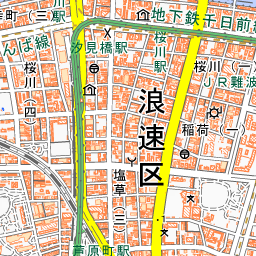
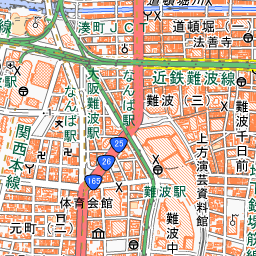
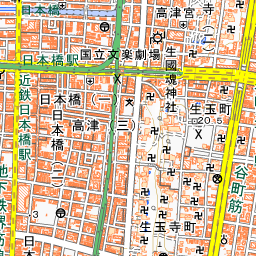
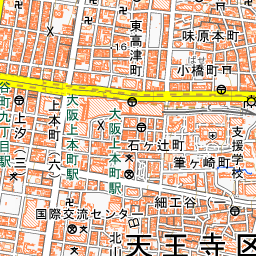
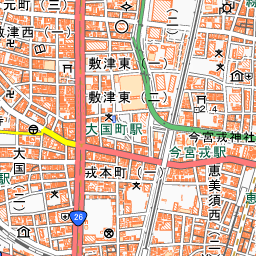
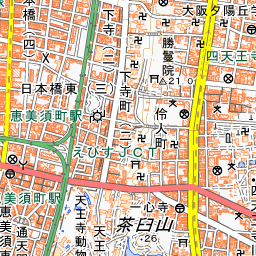
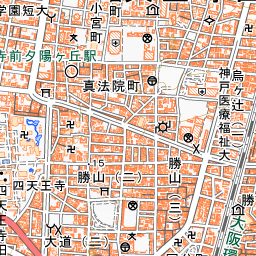
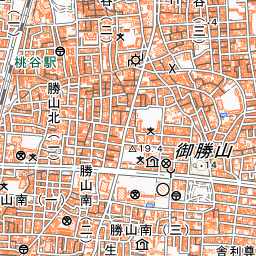
It is about a 10 to 15-minute walk from Tennoji Station. Although it faces the heavily trafficked Tanimachi-suji street, the grounds are surrounded by lush greenery, including trees several hundred years old, and a quiet atmosphere prevails. The sacred tree is said to be over 550 years old. Osaka City Museum of Fine Arts is located about 300 meters to the west-southwest, and Shitenno-ji Temple is about 480 meters to the northeast, allowing you to tour them together on foot.


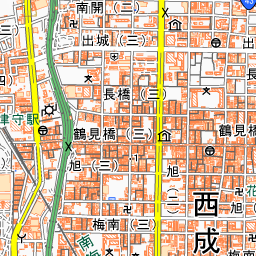

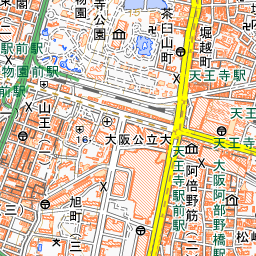

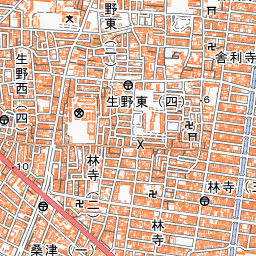
Spot location © OpenStreetMap contributors (ODbL)
Open in Google MapsUse asobot while you walk
- See where you are on the map and find spots nearby
- Listen to the guide's audio in course order, one after another (with subtitles)
- Walk to the next spot while following the map
Open on your phone
Scan to open this spot in asobot on your phone.