 ✨ AI Generated
Negaramimae Paddy Fields
Japanese: 根がらみ前水田
Hamura, Tokyo
This information was written by AI and may contain mistakes. Please check official sources for opening hours, fees, and other details before you go.
Found a mistake? Let us know with “✏️ Something's wrong” on this spot's screen in asobot →
🎧 Audio guide(1:00)
In short
Negaramimae Paddy Fields are rice paddies along the Tama River in Hamura City. Considered rare rice paddies in the upper reaches of the Tama River, they are known as one of the largest tulip fields in the Kanto region grown in the paddies' off-season. In spring, flower fields spread out, and from summer to autumn, rural paddy scenery unfolds.
- Spring tulips: About 350,000 red, white, and yellow tulips bloom as far as the eye can see
- Tulip Festival: In April, it becomes the venue for the "Tulip Festival," the latter half of the "Hamura Flower and Water Festival"
- Rural scenery: From summer to autumn, you can see rural scenery of rice plants nourished by water from the Tama River
History and Highlights
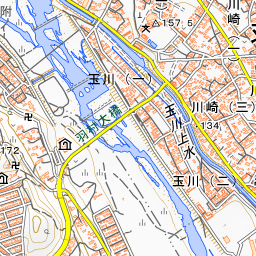
Negaramimae Paddy Fields are rice paddies straddling Hanaka 4-chome and Hanekami 4-chome in Hamura City. They are considered rare rice paddies located in the upper reaches of the Tama River basin.
These paddy fields change their appearance with the season. From early summer to autumn, they are used as rice paddies. From autumn to spring, the paddies are put to use in their off-season, and in spring, flowers such as tree peonies and Chinese peonies bloom, as well as tulips on a scale said to be among the largest in Kanto. The number of tulips is about 350,000.
In spring, the flower field, resembling a vibrant carpet spread out, creates a striking contrast with the fresh greenery of the hills on the opposite bank of the Tama River. Hamura's spring is known for the cherry blossoms at the weir and the tulips in these paddy fields.
From summer to autumn, beautiful rural scenery spreads out. Rice grown with water from the Tama River is sold as "Hamura rice" at rice-polishing shops in the city, and there is also Japanese sake "Sake Hamura" brewed with Hamura's water and Hamura rice.
Viewing and Experience Tips
- Looking out over the tulip fields: In spring, colorful tulips in red, white, yellow, and other shades bloom as far as the eye can see.
- Flower and Water Festival: The spring "Hamura Flower and Water Festival" consists of the "Sakura Festival" in the first half and the "Tulip Festival" in the second half. The Tulip Festival is held in these paddy fields in April.
- Viewing together with the hills on the opposite bank: Beyond the flower fields, you can see the hills on the opposite bank of the Tama River. In spring, you can enjoy the combination of the tulip colors and the fresh greenery.
Walking Tips
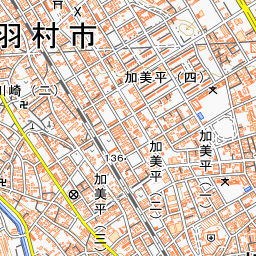
It is about a 15-minute walk from Hamura Station on the JR Ome Line. About 760 meters to the southeast is the Hamura Intake Weir, the intake of the Tamagawa Aqueduct. In spring, walking to see both the cherry blossoms near the weir and the tulips in these paddy fields allows you to experience Hamura's spring all in one trip. The "Sakura Festival," the first half of the festival, is held around Sakurazutsumi Park, Suijo Park, and Shinsui Park. If you visit from summer to autumn, you can see rice paddy scenery in the same place.
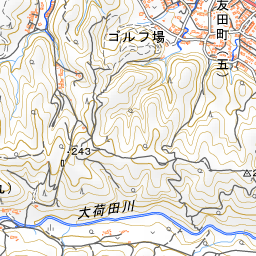
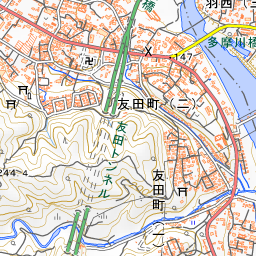
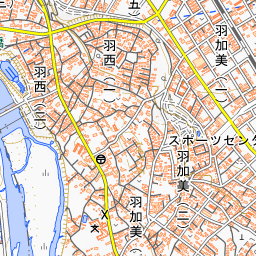
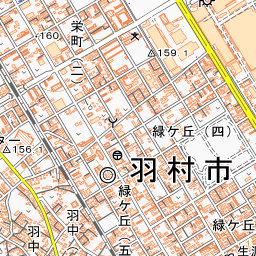
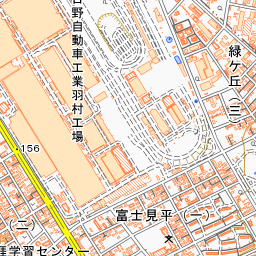

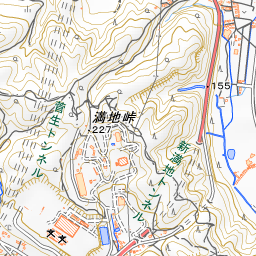
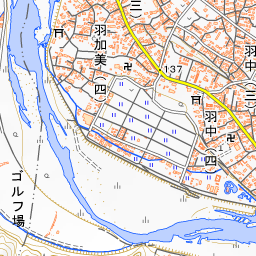
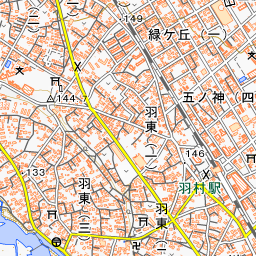
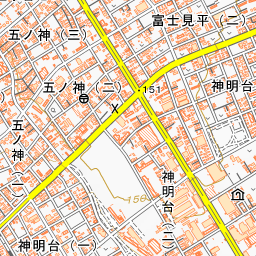
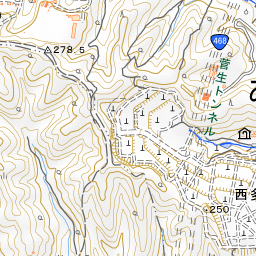
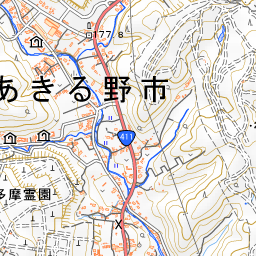
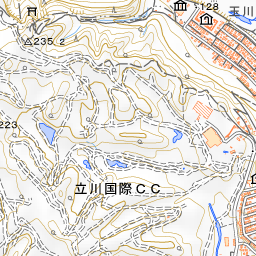
Spot location © OpenStreetMap contributors (ODbL)
Open in Google MapsUse asobot while you walk
- See where you are on the map and find spots nearby
- Listen to the guide's audio in course order, one after another (with subtitles)
- Walk to the next spot while following the map
Open on your phone
Scan to open this spot in asobot on your phone.