 ✨ AI Generated
Ota City Ryushi Memorial Museum
Japanese: 大田区立龍子記念館
Ota City, Tokyo
This information was written by AI and may contain mistakes. Please check official sources for opening hours, fees, and other details before you go.
Found a mistake? Let us know with “✏️ Something's wrong” on this spot's screen in asobot →
🎧 Audio guide(1:03)
In short
Ota City Ryushi Memorial Museum is an art museum built to commemorate Japanese painter Kawabata Ryushi receiving the Order of Culture and celebrating his 77th birthday (kiju). Opening in 1963, its concept and name were conceived by Ryushi himself. Across the street to the north lies Ryushi Park, which preserves the home and atelier where Ryushi lived.
- A Seahorse-Shaped Building: Viewed from above, it is shaped like a seahorse (tatsunootoshigo), which literally means "child of a dragon" (ryu no ko).
- Exhibition Rooms for Large Works: Designed with spacious walls to display large works and broad corridors that allow visitors to view them from a slight distance.
- Ryushi Park: Visitors can tour the park grounds with a staff guide on days when the museum is open. The interiors of the buildings are not open to the public.
History & Highlights
Kawabata Ryushi (1885–1966) was a Japanese painter born in Wakayama Prefecture. After studying Western-style painting, he traveled to the United States and turned to Japanese-style painting (Nihonga) upon returning to Japan. In 1929, he founded the Seiryusha art association and, advocating "venue art" (kaijo geijutsu), created numerous large-scale works. In 1959, he received the Order of Culture.
Ota City Ryushi Memorial Museum opened in 1963 to commemorate Ryushi's conferment of the Order of Culture and his 77th birthday. It is an art museum dedicated to exhibiting the works of Ryushi and his peers in Seiryusha, with its overall concept and name created by Ryushi himself. While initially operated by Seiryusha, it was donated to Ota City in 1991 following the disbandment of Seiryusha. Although renovations have been carried out, it essentially retains its original form.
Standing on a corner lot, the museum features a blue-tiled roof topped with an agave-shaped sacred jewel (hoju). In 2024, along with the former residence of Kawabata Ryushi across the street, it was listed as a national Registered Tangible Cultural Property (Structure).
Highlights for Viewing & Experiencing
- Seahorse Shape: Viewed from above, the building is shaped like a seahorse (tatsunootoshigo), reflecting the literal meaning of "Ryushi" as a "child of a dragon." Its curves introduce visible variation into the continuous exhibition space.
- Exhibition Rooms for Large Works: The layout is designed with expansive walls capable of displaying massive pieces, alongside walkways wide enough to step back and view the works.
- The Atelier and Pond in Ryushi Park: Located north across the street, Ryushi Park is where Ryushi lived from 1920 until his death in 1966. The atelier, with its framework raised in 1938, features a ceiling height of about 4 meters and an expansive space without pillars. The crater left by an air raid bombing was turned into the "Bakudan Sange no Ike" (Bomb Blossom Pond) at Ryushi's suggestion.
Tips for Visiting
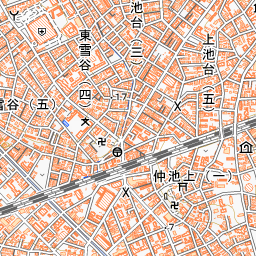
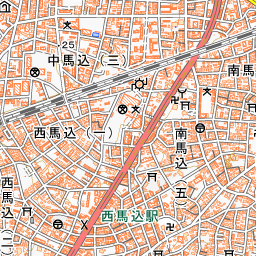
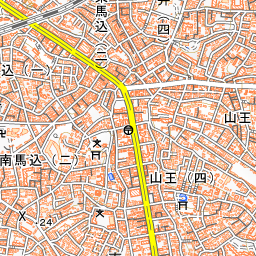
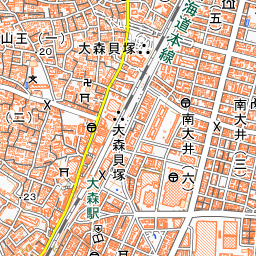
It is about a 15-minute walk from the South Exit of Nishi-magome Station on the Toei Asakusa Line. From JR Omori Station, take a Tokyu Bus to Usudazakashita, followed by an approximate 2-minute walk.
After touring the memorial museum, head to Ryushi Park across the street. The grounds can be toured with a staff guide on museum open days. Since the interiors of the buildings are not open to the public, visitors explore the exterior of the main house (omoya) and atelier, as well as the garden.
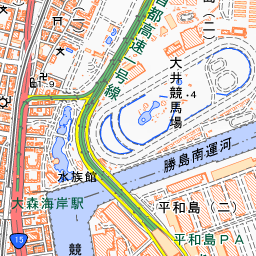
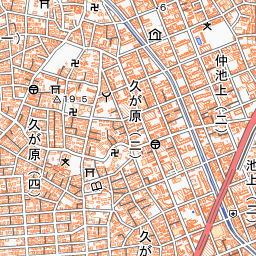
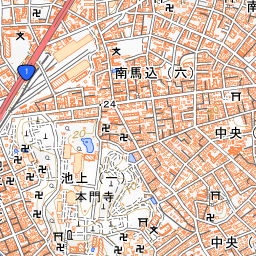

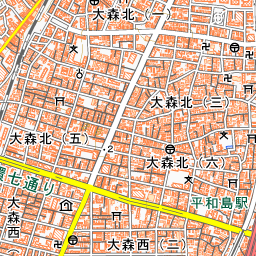
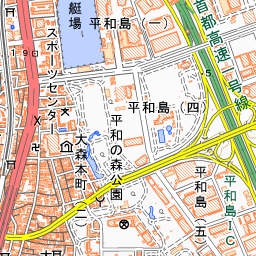
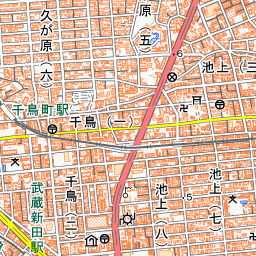
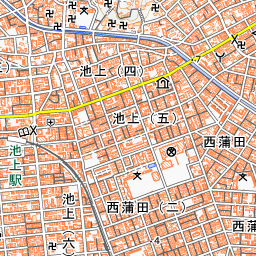
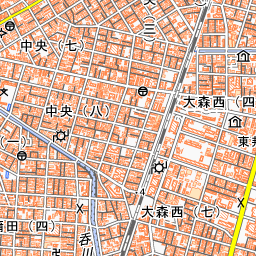
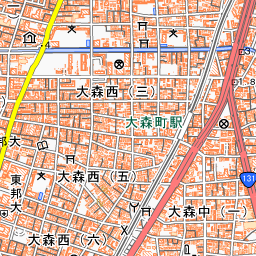
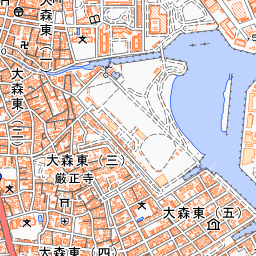
Spot location © OpenStreetMap contributors (ODbL)
Open in Google MapsUse asobot while you walk
- See where you are on the map and find spots nearby
- Listen to the guide's audio in course order, one after another (with subtitles)
- Walk to the next spot while following the map
Open on your phone
Scan to open this spot in asobot on your phone.