 ✨ AI Generated
Fukuyama Museum of Art
Japanese: ふくやま美術館
Fukuyama, Hiroshima
This information was written by AI and may contain mistakes. Please check official sources for opening hours, fees, and other details before you go.
Found a mistake? Let us know with “✏️ Something's wrong” on this spot's screen in asobot →
🎧 Audio guide(1:05)
In short
Fukuyama Museum of Art is located on the north side of JR Fukuyama Station, to the west of Fukuyama Castle Park. As calls among citizens for an art museum grew, it opened in November 1988 as a project commemorating the 70th anniversary of the city's incorporation. It was designed to be integrated with the park on the castle grounds.
- Modern and contemporary art of Japan and Europe: The museum holds Kishida Ryusei's Portrait of Reiko at the Age of Sixteen and works from Futurism, an artistic movement that arose in Italy. In the collection exhibitions, you can compare Japanese and European works
- Artists associated with the local region: Works by artists connected to Fukuyama and the Setouchi area are also carefully collected
- Fukuyama Museum of Calligraphy: The building houses a calligraphy museum that opened in 2003, holding the Kurihara Collection of calligraphic works, paintings, and stationery tools from China's Ming and Qing dynasties, as well as works by calligraphers associated with Fukuyama
History and Highlights
Fukuyama Museum of Art is located on the north side of JR Fukuyama Station, to the west of the verdant Fukuyama Castle Park. Calls among citizens for an art museum grew starting around the early 1960s. After a long period of preparation, it opened in November 1988 as a project commemorating the 70th anniversary of the city's incorporation. It was built as a cultural facility for the wider region of eastern Hiroshima Prefecture centering on Fukuyama City and Fuchu City, and today it serves as an art museum for Fukuyama City, Fuchu City, and Jinsekikogen-cho. Designed to be integrated with the park on the castle grounds, the museum offers views of the garden's greenery from inside the building.
Works are collected around five main pillars: artists associated with the wider local region, artists associated with the Setouchi region, modern and contemporary Japanese art, modern and contemporary European art centered on Italy, and promising young and mid-career artists expected to be active in the future. In its Japanese art collection, it holds Portrait of Reiko at the Age of Sixteen, the final piece among the "Reiko" portraits of his daughter that Kishida Ryusei continually painted. In European art, a distinctive feature is its collection of works from Futurism, an artistic movement that arose in Italy in the early 20th century.
Viewing and Experience Points
- Modern and Contemporary Art of Japan and Europe: In the collection exhibitions, you can compare masterpieces of modern and contemporary Japan with European works centered on Italy. Try touring the exhibits while considering what Japanese and European painters each sought to depict during the same era.
- Artists Associated with the Local Region: Works by artists connected to Fukuyama and the Setouchi area are also carefully collected. Being able to encounter art nurtured in this town is a special quality unique to a local art museum.
- Fukuyama Museum of Calligraphy: Located within the building is the Fukuyama Museum of Calligraphy, which opened in 2003. It houses the Kurihara Collection—which features calligraphic works and paintings from China's Ming and Qing dynasties along with stationery tools such as ink, inkstones, and brushes—as well as works by calligraphers associated with Fukuyama.
Tips for Exploring
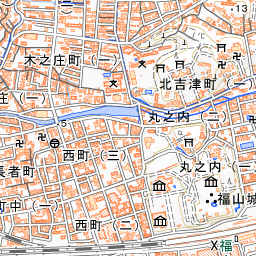
The museum is located about 400 meters west of the North Exit of JR Fukuyama Station, just a short walk away. Right next door is the Hiroshima Prefectural Museum of History, and on the slightly elevated ground in the middle of the park are Fukuyama Castle and the Fukuyama Castle Museum. Within Fukuyama Castle Park, you can explore both art and history together. Because the pieces displayed in the collection exhibitions change depending on the season, you will encounter different works each time you visit.

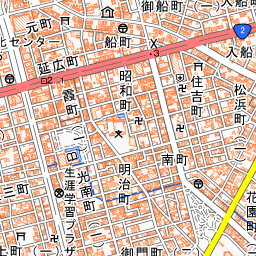
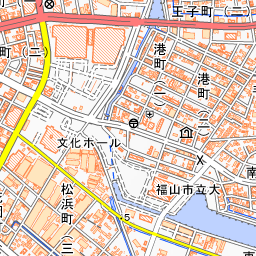
Spot location © OpenStreetMap contributors (ODbL)
Open in Google MapsGuides that include this spot (1)
Use asobot while you walk
- See where you are on the map and find spots nearby
- Listen to the guide's audio in course order, one after another (with subtitles)
- Walk to the next spot while following the map
Open on your phone
Scan to open this spot in asobot on your phone.