 ✨ AI Generated
Takatsuki City Imashirozuka Ancient History Museum
Japanese: 高槻市立今城塚古代歴史館
Takatsuki, Osaka
This information was written by AI and may contain mistakes. Please check official sources for opening hours, fees, and other details before you go.
Found a mistake? Let us know with “✏️ Something's wrong” on this spot's screen in asobot →
🎧 Audio guide(1:09)
In short
A municipal museum of ancient history adjacent to Imashirozuka Kofun Park; together with the kofun park, the area is called "Imashiro Daio-no-Mori." The adjacent Imashirozuka Kofun Burial Mound is one of the largest keyhole-shaped tumuli in the Yodo River basin, constructed in the first half of the 6th century, and is said to be the tomb of Emperor Keitai.
- Authentic Haniwa from Imashirozuka Kofun Burial Mound: A group of genuine haniwa found at Imashirozuka Kofun Burial Mound—including houses, gates, walls, large swords, shields, warriors, shrine maidens, sumo wrestlers, and animals—are displayed alongside three restored stone coffins and burial accessories. Japan's largest house-shaped haniwa was also discovered at Imashirozuka Kofun Burial Mound
- Full-scale Dioramas: The construction process of the giant kofun, revealed through excavations, is explained using full-scale dioramas and other exhibits. There is also a 1/100 scale model of Imashirozuka Kofun Burial Mound, allowing you to grasp the overall shape of the tumulus
- Curator's Room and Hands-on Workshops: There is a corner introducing the work of museum curators through the scientific surveying and analysis techniques applied to burial mounds. Workshops for making haniwa and magatama beads are also held regularly, and advance reservations are required to participate
History and Highlights
Takatsuki City Imashirozuka Ancient History Museum is a municipal museum of ancient history adjacent to Imashirozuka Kofun Park. Together with the kofun park, the area is called "Imashiro Daio-no-Mori." The adjacent Imashirozuka Kofun Burial Mound is one of the largest keyhole-shaped tumuli in the Yodo River basin, constructed in the first half of the 6th century, and is said to be the tomb of Emperor Keitai.
Inside the museum, full-scale dioramas and videos are used to introduce an overview of the Mishima Kofun Group as well as various construction techniques revealed through excavations of the Imashirozuka Kofun Burial Mound. It is a place where you can experience and learn about history through real haniwa (terracotta clay figures) and a wealth of excavated artifacts.
The permanent exhibition begins with a video presentation covering the era from the Paleolithic period through the Jomon and Yayoi periods up to the emergence of kings. It then progresses through the relationship between the kings of Mishima and the Yamato Court during the early Kofun period, the haniwa kilns and representational haniwa from the era of giant kofun tumuli, and finally traces the process of the formation of the ancient Ritsuryo state, from the appearance of cluster mounds (gunshufun) and final-stage kofun to the establishment of temples.
Viewing and Hands-on Highlights
- Authentic Haniwa from Imashirozuka Kofun Burial Mound: A group of genuine haniwa found at Imashirozuka Kofun Burial Mound—including houses, gates, walls, large swords, shields, warriors, shrine maidens, sumo wrestlers, and animals—are displayed alongside three restored stone coffins and burial accessories, bringing you close to the funerary rituals of a great king. Japan's largest house-shaped haniwa was also discovered at Imashirozuka Kofun Burial Mound.
- Full-scale Dioramas: Construction processes of the giant kofun uncovered through excavations are explained using full-scale dioramas and other exhibits. There is also a 1/100 scale model of Imashirozuka Kofun Burial Mound, allowing you to grasp the overall shape of the tumulus.
- Curator's Room and Hands-on Workshops: There is a corner introducing the work of museum curators through the scientific surveying and analysis techniques applied to burial mounds. Workshops for making haniwa and magatama beads are also held regularly, and advance reservations are required to participate.
Tips for Exploring
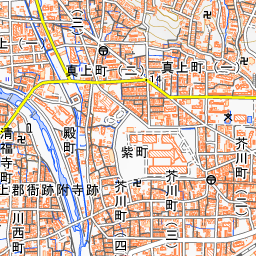
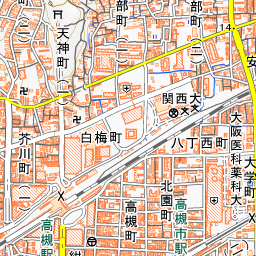
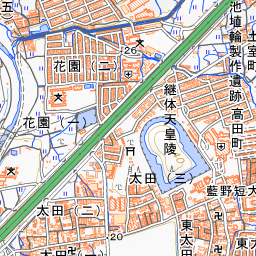
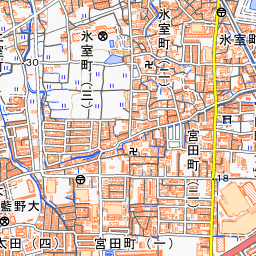
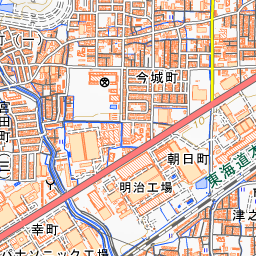
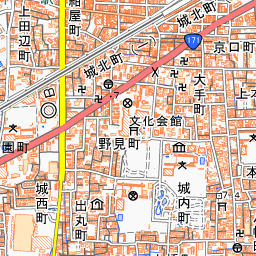
The museum connects to Imashirozuka Kofun Park via a walkway, taking about 1 minute on foot. At the park's haniwa ritual area, replicas of haniwa are positioned right where they were uncovered during excavations, so walking through the tumulus after viewing the authentic haniwa in the museum is recommended. The highlights of the kofun park are introduced in the explanation of Imashirozuka Kofun Burial Mound. From JR Settsu-Tonda Station, take the city bus and get off at "Imashirozuka Kofun-mae," from which it is just a short walk. From the north exit of JR Takatsuki Station, take the city bus, get off at "Seifukuji," and walk west for about 10 minutes.
Guides that include this spot (1)
Use asobot while you walk
- See where you are on the map and find spots nearby
- Listen to the guide's audio in course order, one after another (with subtitles)
- Walk to the next spot while following the map
Open on your phone
Scan to open this spot in asobot on your phone.