 ✨ AI Generated
Shirakami-sha Shrine
Japanese: 白神社
Naka Ward, Hiroshima
This information was written by AI and may contain mistakes. Please check official sources for opening hours, fees, and other details before you go.
Found a mistake? Let us know with “✏️ Something's wrong” on this spot's screen in asobot →
🎧 Audio guide(1:05)
In short
Shirakami-sha Shrine is a shrine situated in the center of Hiroshima, around the intersection of Peace Boulevard and Rijo-dori Street. This site was once a rocky reef protruding into the sea, and it is said that the shrine's name originates from white paper (shirakami) being placed on the rocks as a marker so passing boats would not run aground. On August 6, 1945, Shirakami-sha Shrine, located approximately 500 meters from the hypocenter, lost its wooden shrine buildings and large torii gate in the atomic bombing.
- Rocks that Recall the Former Seashore: The large rocks beneath the shrine building and exposed within the grounds are remnants from when this area faced the sea
- Stone Artifacts Bearing Scars of the Bombing: The small pillar standing in front of the torii gate is said to be the only remaining remnant of the torii from the time of the bombing. There are also the komainu (guardian lion-dogs) that stood here before the bombing, and a large stone lantern that still lacks its hibukuro (fire chamber)
- The Camphor Tree That Survived: The camphor tree on the grounds is an A-bombed tree that survived the atomic blast. It still flourishes with lush green leaves today
History and Highlights
Shirakami-sha Shrine is a shrine situated in the center of Hiroshima, around the intersection of Peace Boulevard and Rijo-dori Street. Before Hiroshima Castle was built, this entire area was sea, and this site was a rocky reef protruding into the water. It is said that the shrine's name originates from white paper (shirakami) being placed on the rocks as a marker so passing boats would not run aground. Later, around the time Mori Terumoto built Hiroshima Castle, the shrine building is said to have been erected here to protect the approach to the castle from the south. The shrine building still stands atop large, rugged, exposed rocks today, testifying that this place was once a seashore.
On August 6, 1945, Shirakami-sha Shrine, located approximately 500 meters from the hypocenter, lost its wooden shrine buildings and large torii gate in the atomic bombing. Even so, the solid rocks and the camphor tree on the grounds endured the intense heat rays. A temporary shrine building was erected shortly after the war, and the current concrete shrine building was rebuilt in 1989.
Viewing and Experience Highlights
- Rocks that Recall the Former Seashore: The large rocks beneath the shrine building and exposed within the grounds are remnants from when this area faced the sea. In the middle of the city surrounded by tall buildings, this is a place where you can feel the origins of Hiroshima.
- Stone Artifacts Bearing Scars of the Bombing: The small pillar standing in front of the torii gate is said to be the only remaining remnant of the torii from the time of the bombing. The komainu (guardian lion-dogs) that stood here before the bombing also remain, and you can see repaired sections alongside scars left by the blast. There is also a large stone lantern that still lacks its hibukuro (fire chamber).
- The Camphor Tree That Survived: The camphor tree on the grounds is an A-bombed tree that survived the atomic blast. It still flourishes with lush green leaves today, conveying the powerful strength of life.
Visiting Tips
The shrine is just a short walk from the Fukuromachi bus stop and makes an easy stop while strolling along Peace Boulevard. Close by is the Fukuromachi Elementary School Peace Museum, which preserves a bombed school building; visiting both together helps you clearly understand the scale of devastation this area suffered. It is also within walking distance of Peace Memorial Park, so consider incorporating it into your city walking tour or peace study route.

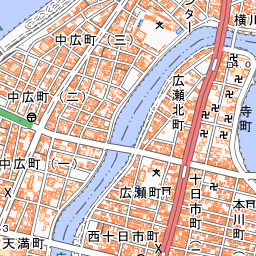
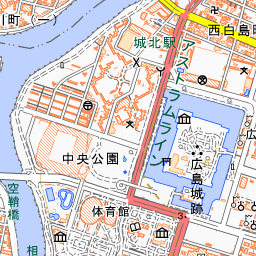
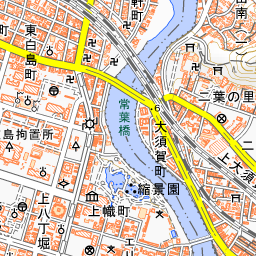
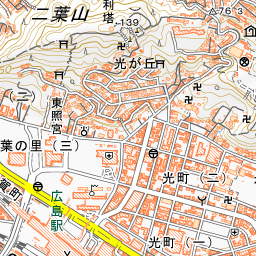
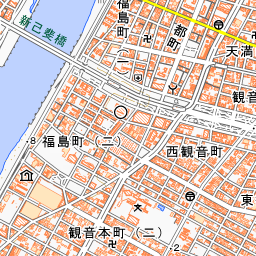
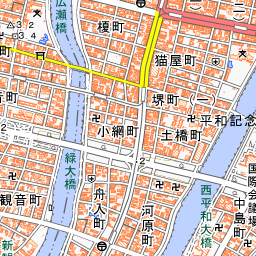
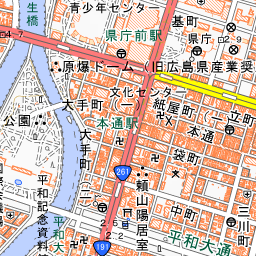
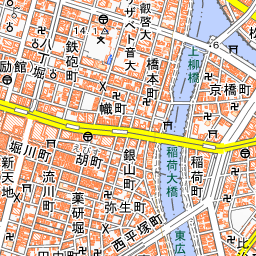
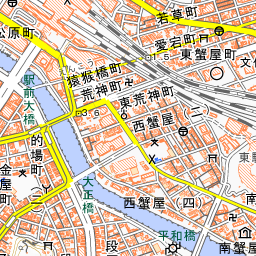
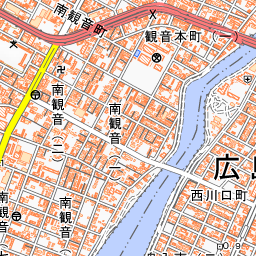
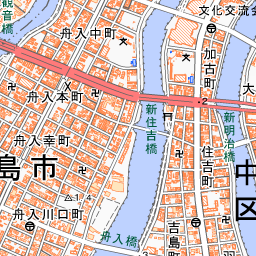
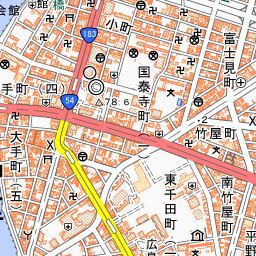
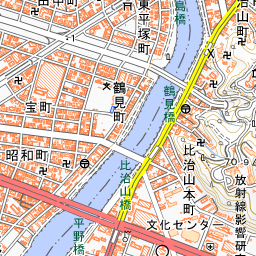

Spot location © OpenStreetMap contributors (ODbL)
Open in Google MapsUse asobot while you walk
- See where you are on the map and find spots nearby
- Listen to the guide's audio in course order, one after another (with subtitles)
- Walk to the next spot while following the map
Open on your phone
Scan to open this spot in asobot on your phone.