 ✨ AI Generated
Institute for Nature Study, National Museum of Nature and Science
Japanese: 国立科学博物館附属自然教育園
Minato City, Tokyo
This information was written by AI and may contain mistakes. Please check official sources for opening hours, fees, and other details before you go.
Found a mistake? Let us know with “✏️ Something's wrong” on this spot's screen in asobot →
🎧 Audio guide(1:07)
In short
The Institute for Nature Study, National Museum of Nature and Science, is an approximately 20-hectare forested green space in central Tokyo where rich nature is preserved. It has been designated as a national Natural Monument and Historic Site. Inside the grounds remain earthworks believed to be the ruins of a medieval manor, as well as old pine trees that convey the ambiance of an Edo period shimoyashiki (suburban residence).
- Tale Pine and Gourd Pond: An old pine tree and a pond thought to have once been part of an Edo period stroll-style garden (kaiyushiki garden).
- Orochi Pine: A large pine tree about 300 years old. It fell during a typhoon in the first year of the Reiwa era (2019) and has been left in its natural fallen state.
- Three Botanical Gardens: You can observe nature in the Roadside Plant Garden, the Aquatic Plant Garden, and the Musashino Plant Garden.
History and Highlights
At the beginning of the Muromachi period, a local powerful clan established a manor here. The earthworks remaining today are considered to be part of the ruins from that era. Although the master of the manor is unknown, legend says it was the "Shirokane Choja."
In 1664 (Kanbun 4) during the Edo period, it became the shimoyashiki (suburban residence) of Matsudaira Sanuki-no-kami Yorishige, lord of the Takamatsu Domain. Yorishige was the older brother of Tokugawa Mitsukuni. In the Meiji period, it served as a gunpowder storehouse managed by the Ministry of the Navy and the Ministry of the Army. In 1917 (Taisho 6), it came under the jurisdiction of the Imperial Forestry Bureau of the Imperial Household Ministry and was called the Shirokane Imperial Estate. Among the estate's grounds, the land corresponding to the current Tokyo Metropolitan Teien Art Museum was separated for Prince Asaka.
In 1949 (Showa 24), it came under the jurisdiction of the Ministry of Education and was designated as a national Natural Monument and Historic Site under the name "Former Shirokane Imperial Estate." It was opened to the public as the National Institute for Nature Study, and in 1962 (Showa 37) it became the current Institute for Nature Study, National Museum of Nature and Science.
The grounds cover an area of about 20 hectares. Since 1949, it has been preserved by minimizing human interference as much as possible. However, it is not in an entirely wild state, but rather a vegetation maintained under appropriate green space management.
Viewing and Experience Highlights
- Tale Pine and Gourd Pond: The Tale Pine (Monogatari-no-matsu) is an old pine tree that conveys the atmosphere of Matsudaira Sanuki-no-kami's residence. The area around the pine, together with the nearby Gourd Pond (Hyotan-ike) and other elements, is thought to have been a stroll-style garden. The cobblestone revetment remaining on the pond bank is also considered a remnant of the Edo period garden.
- Orochi Pine: One of the pines preserving the remnants of the suburban residence, aged around 300 years. From some point in time, it came to be known as the Orochi (giant serpent) Pine. It was toppled by a typhoon in the first year of Reiwa (2019) and has been left as is so visitors can view the natural state of the tree.
- Three Botanical Gardens and Waterside: The open area features the Roadside Plant Garden, Aquatic Plant Garden, and Musashino Plant Garden. In the Musashino Plant Garden, spring ephemerals such as Asian fawnlilies (katakuri) grow, as does Cephalanthera falcata (kinran). At the Waterfowl Swamp, birds like spot-billed ducks and herons come to visit.
Walking Tips
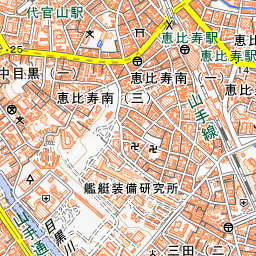
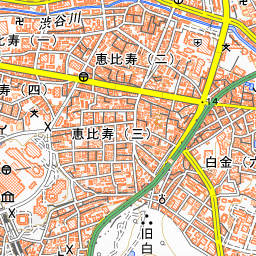
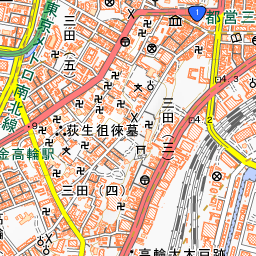
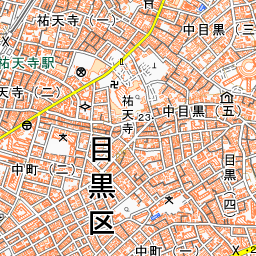
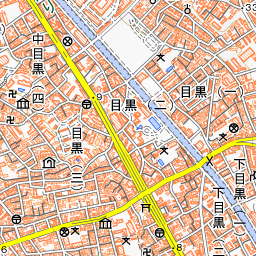
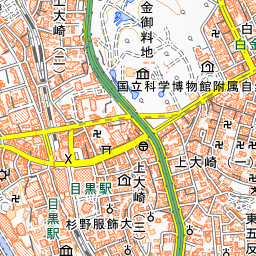
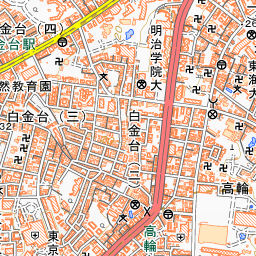
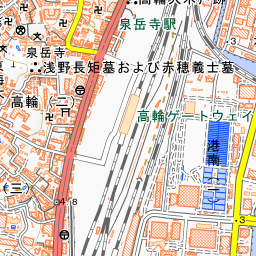
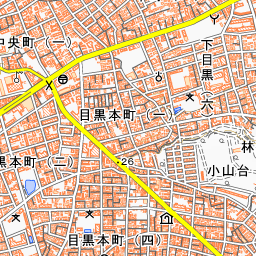
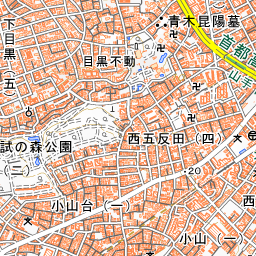
It is a 9-minute walk along Meguro-dori Street from the East Exit of Meguro Station on the JR Yamanote Line. From Exit 1 of Shirokanedai Station on the Tokyo Metro Namboku Line and Toei Mita Line, it is a 7-minute walk. The admission capacity is set at 300 visitors at any given time. On the park map, numbers are assigned in order: Tale Pine, Gourd Pond, Orochi Pine, Waterfowl Swamp, and Manor Ruins. At the Manor Ruins, you can see a U-shaped earthwork. The Tokyo Metropolitan Teien Art Museum is about 190 meters to the south, and Meguro Fudo Temple is about 1.5 kilometers to the southwest.


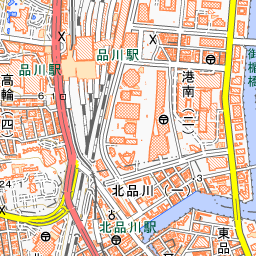
Spot location © OpenStreetMap contributors (ODbL)
Open in Google MapsGuides that include this spot (1)
Use asobot while you walk
- See where you are on the map and find spots nearby
- Listen to the guide's audio in course order, one after another (with subtitles)
- Walk to the next spot while following the map
Open on your phone
Scan to open this spot in asobot on your phone.