 ✨ AI Generated
Ueno Park
Japanese: 上野公園
Taito City, Tokyo
This information was written by AI and may contain mistakes. Please check official sources for opening hours, fees, and other details before you go.
Found a mistake? Let us know with “✏️ Something's wrong” on this spot's screen in asobot →
🎧 Audio guide(1:00)
In short
Ueno Park, officially called Ueno Onshi Park, became one of Japan's first parks under a Grand Council of State decree (Dajokan Futatsu) in 1873. During the Edo period, the entire area was within the grounds of Kan'ei-ji Temple and was known as a famous cherry blossom spot. Today, it brings together museums, art museums, and a zoo, making it one of Tokyo's leading tourism hubs.
- Fountain Square: This square, called Takenodai, was home to the Konpon Chu-do Hall of Kan'ei-ji Temple during the Edo period.
- Cherry Blossoms: The cherry trees date back to when Priest Tenkai, who founded Kan'ei-ji Temple, planted them in various locations across the grounds, and they can be enjoyed for about two months, from early-blooming kanzakura to Yoshino cherry trees.
- Statue of Saigo Takamori: Created by Takamura Koun, this statue serves as a symbol of the park. It is also often used as a meeting spot.
History and Highlights
Ueno Park is officially named Ueno Onshi Park. During the Edo period, the entire area was within the grounds of Kan'ei-ji Temple. Kan'ei-ji Temple flourished as the family temple of the Tokugawa shogunate, but in 1868, during a battle between the government forces and the Shogitai who had barricaded themselves here, most of it was destroyed by fire. Only a few structures survived, such as Kiyomizu Kannon-do Hall, Ueno Toshogu Shrine, and the Five-Story Pagoda.
After the battle, the new Meiji government sought this land as a construction site for a Western medical school. However, it is said that Dr. Bauduin, a Dutch military doctor visiting Japan, advised that it be turned into a park instead. Then, through a Grand Council of State decree in 1873, it became one of Japan's first parks.
During the Meiji period, four industrial exhibitions were held here, and museums and a zoo opened one after another. In 1924, it was granted to the City of Tokyo to commemorate the marriage of the Crown Prince (later Emperor Showa), becoming "Ueno Onshi Park." Today, covering an area about 11 times the size of the Tokyo Dome, it gathers the Tokyo National Museum, The National Museum of Western Art, the National Museum of Nature and Science, the Tokyo Metropolitan Art Museum, and the Ueno Zoological Gardens, serving as one of Tokyo's leading tourism hubs.
Viewing and Experience Points
- Fountain Square: A square called Takenodai, where the Konpon Chu-do Hall of Kan'ei-ji Temple once stood in the Edo period. Today, visitors can enjoy a symmetrical view centered around the fountain.
- Cherry Blossoms: A cherry blossom spot dating back to the Edo period. It began during the Kan'ei era when Priest Tenkai, who founded Kan'ei-ji Temple, planted cherry trees across various locations on the grounds. From early-blooming kanzakura to Yoshino cherry trees, they can be enjoyed for about two months.
- Tracing Statues and Historic Sites: The statue of Saigo Takamori was created by Takamura Koun, and the dog accompanying him is named "Tsun." Serving as a symbol of the park, it is also frequently used as a meeting place. Due to an error in records, the statue of Dr. Bauduin was actually a statue of his younger brother until it was replaced in Heisei 18 (2006). Suribachiyama is a keyhole-shaped burial mound built during the Kofun period. Ueno Daibutsu suffered from repeated earthquakes and fires, and today only the face is preserved.
Walking Tips
It is about a 2-minute walk from JR Ueno Station. Leaving the station by the Park Exit, you will see The National Museum of Western Art on your right and Tokyo Bunka Kaikan on your left. Past them lies the square with the fountain. Heading south, Shinobazu Pond opens up. Keisei Ueno Station is about a 1-minute walk away, and the statue of Saigo Takamori stands at the southern end of the park nearby.
The park grounds feature differences in elevation, and walking distances can be long. To experience its history, you can extend your walk to Ueno Toshogu Shrine, Kiyomizu Kannon-do Hall, and Kan'ei-ji Temple adjacent to the north side of the park.
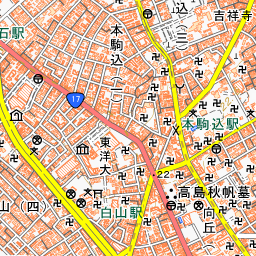

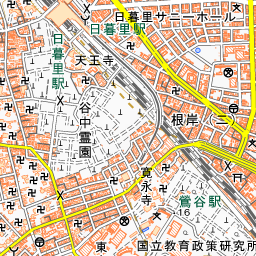
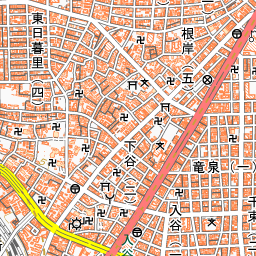
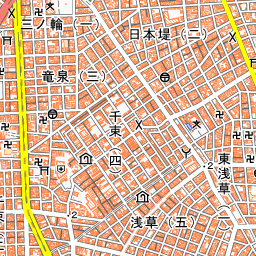

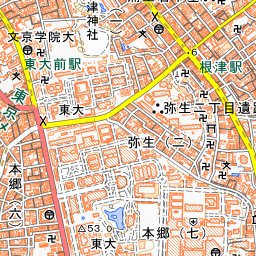

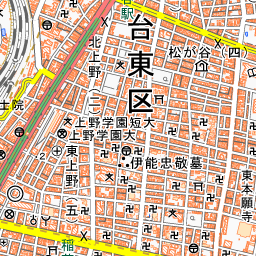

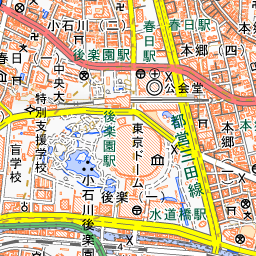
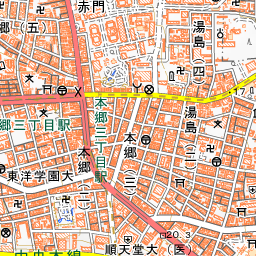


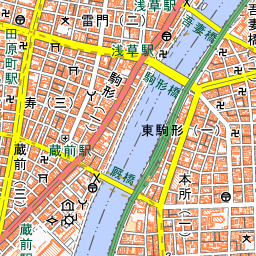
Spot location © OpenStreetMap contributors (ODbL)
Open in Google MapsGuides that include this spot (1)
Use asobot while you walk
- See where you are on the map and find spots nearby
- Listen to the guide's audio in course order, one after another (with subtitles)
- Walk to the next spot while following the map
Open on your phone
Scan to open this spot in asobot on your phone.